The International Maritime Organization (IMO) plays a vital role in shaping the dynamics of global trade. Imagine the bustling ports, massive cargo ships crossing vast oceans, and products arriving from every corner of the globe. Behind this intricate network is a system built on safety, efficiency, and environmental responsibility. The International Maritime Organization ensures that everything runs smoothly, fostering international cooperation and setting standards for the maritime industry.
Global trade, accounting for around 80% of the world’s trade by volume, relies heavily on maritime transport. Ships carrying oil, raw materials, food, and manufactured goods sail across the seas, linking countries, businesses, and economies. Without a robust regulatory body like the IMO, chaos could unfold on the seas. Let’s explore how the IMO impacts global trade and ensures that the maritime industry remains secure, sustainable, and efficient.
The Birth of the IMO: An Essential Global Institution
The IMO was established in 1948, following the growing need for an international body to manage maritime safety and environmental protection. Initially formed as the Inter-Governmental Maritime Consultative Organization (IMCO), it soon became the IMO we know today. Its creation was a response to the increasing volume of global maritime trade and the need for a unified approach to managing risks, accidents, and pollution at sea.
From the outset, the IMO’s core mandate was to make shipping safer, secure, and more sustainable. Through cooperation and regulatory frameworks, it sought to eliminate inefficiencies and reduce risks in an industry that had a significant global impact. Over the years, the IMO has grown in both scope and influence, helping shape maritime trade into the organized and regulated system we rely on today.
Standardizing Global Maritime Regulations
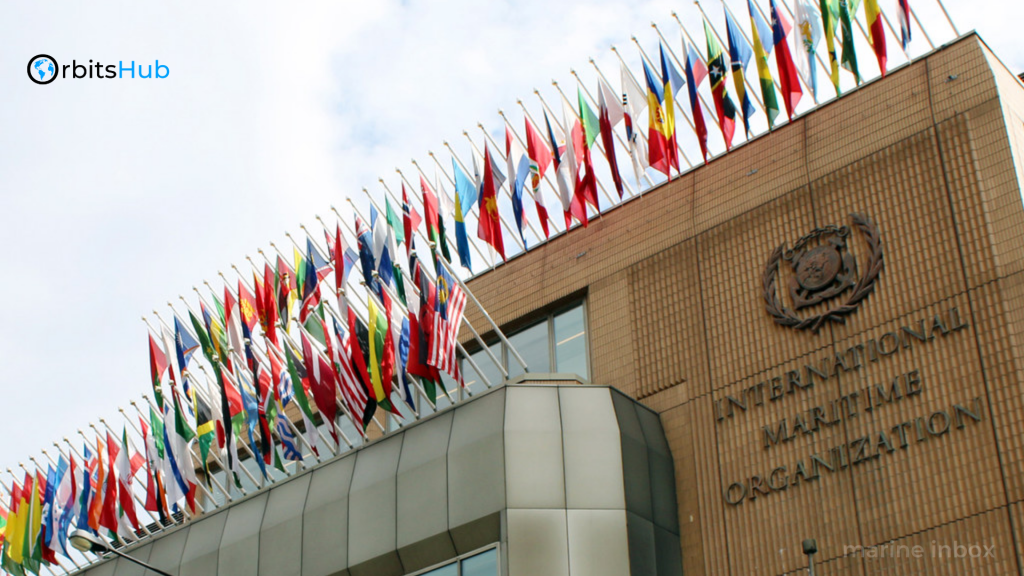
The IMO’s primary function is to set international standards for shipping. These standards cover a wide range of areas, such as safety, pollution prevention, ship construction, and crew training. By setting universally accepted rules, the IMO ensures that maritime trade is not only efficient but also secure and environmentally conscious.
Maritime Safety: Safeguarding Ships and Crews
Safety is the cornerstone of the IMO’s work. Every year, thousands of ships traverse the oceans, carrying essential goods. To ensure that these ships and their crews are safe, the IMO has developed the International Convention for the Safety of Life at Sea (SOLAS). This landmark regulation sets out safety standards for ship design, equipment, and operation.
SOLAS ensures that ships are built to withstand the harsh conditions at sea, with features like watertight compartments and life-saving equipment. It also mandates that crews undergo rigorous training to handle emergencies such as fires, collisions, and abandon ship scenarios.
According to the IMO, over 50,000 ships operate worldwide. The SOLAS convention has helped reduce the number of accidents and fatalities at sea, ensuring that goods continue to flow smoothly across the globe.
Pollution Prevention: Protecting Our Oceans
The IMO also focuses on reducing pollution in international waters. Ships have long been known to contribute to marine pollution through oil spills, waste disposal, and emissions. The International Convention for the Prevention of Pollution from Ships (MARPOL) is the IMO’s framework for preventing pollution caused by shipping activities.
MARPOL has strict regulations on the discharge of oil, sewage, garbage, and ballast water, all of which are common causes of marine pollution. In addition, it pushes for innovations in green technologies to reduce the carbon footprint of ships, such as cleaner engines and better waste management systems.
A study published in 2020 revealed that the global shipping industry contributes to around 3% of global CO2 emissions. The IMO’s commitment to cleaner practices is key in reducing this number and ensuring that maritime trade operates in harmony with the environment.
Facilitating International Trade: Ensuring Smooth Operations
Shipping is the backbone of global trade. Without it, the transportation of goods across vast distances would be nearly impossible. The IMO’s role in facilitating trade is often understated but crucial. By ensuring safe and efficient operations at sea, the IMO enables companies to move products across countries and continents.
At any given time, millions of tonnes of goods are being transported through the world’s busiest shipping routes. The IMO’s regulations ensure that ports operate smoothly and vessels maintain schedules, preventing delays and disruptions in the global supply chain.
According to the World Trade Organization (WTO), in 2020, nearly $18 trillion worth of goods were traded globally. Much of this trade, particularly bulk goods like oil, minerals, and grains, depends on ships. By streamlining maritime operations and ensuring safety, the IMO supports a trade system that is vital to the world economy.
The Role of Technology and Innovation in IMO Regulations
Technology has transformed the maritime industry, and the IMO has embraced innovations to improve safety, efficiency, and sustainability. The development of autonomous ships, digital systems for tracking cargo, and real-time data exchange is changing how the maritime industry operates.
For instance, the International Maritime Solid Bulk Cargoes (IMSBC) Code provides guidelines for safely transporting bulk cargo, but advancements in cargo handling and tracking systems allow real-time monitoring. The IMO’s willingness to incorporate these technologies ensures that regulations evolve with the changing landscape of maritime trade.
Additionally, the IMO has supported efforts to incorporate artificial intelligence (AI) and big data in shipping operations. AI-powered systems are now helping ships navigate safely through busy waters, predict weather patterns, and improve fuel efficiency.
The Impact of the IMO on Global Trade
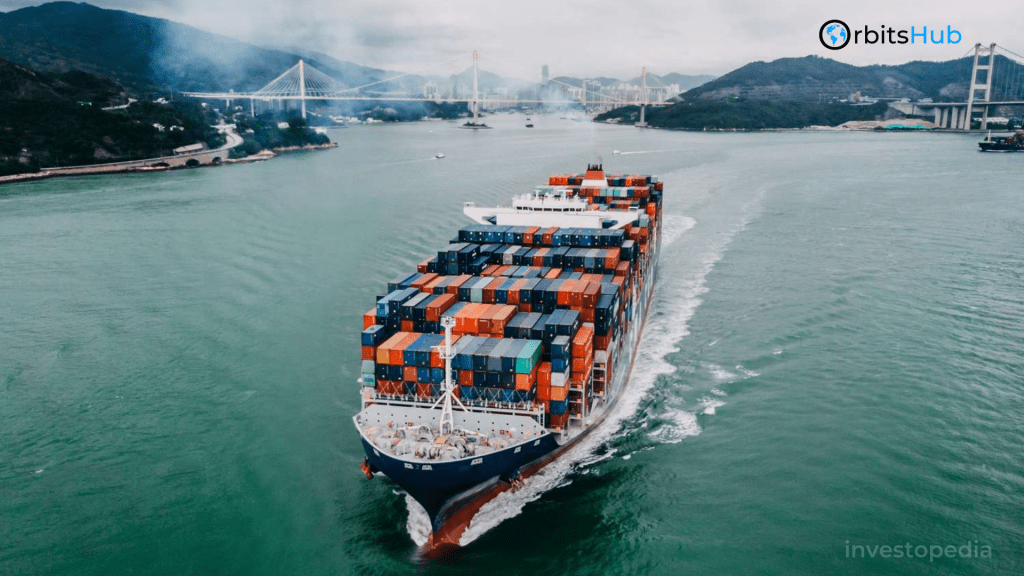
The IMO’s impact on global trade cannot be overstated. By providing a framework for safe and sustainable shipping, it ensures that businesses can confidently transport goods across the globe. The IMO also plays a critical role in maintaining the integrity of the supply chain by preventing accidents, reducing delays, and minimizing the environmental impact of shipping.
Global trade has witnessed significant growth, and maritime trade remains the most efficient way of moving large quantities of goods. As shipping continues to evolve, the IMO’s role will only grow in importance. Ensuring that maritime operations are safe, environmentally friendly, and efficient is essential to maintaining the global economy’s stability.
The Future of the IMO: Challenges and Opportunities
The IMO faces several challenges as global trade and technology continue to advance. One of the biggest hurdles is balancing the needs of trade with the environmental challenges of shipping. As the global focus on climate change intensifies, the IMO will have to continue evolving its regulations to reduce the carbon footprint of maritime operations.
However, this also presents an opportunity. The IMO can lead the charge in promoting green shipping technologies, such as hydrogen-powered ships and renewable energy solutions. By encouraging innovation and supporting sustainable practices, the IMO can help the maritime industry thrive in a changing world.
Frequently Asked Questions
1. What does the IMO do for global trade?
The IMO sets international standards for shipping safety, pollution prevention, and operational efficiency. These standards ensure global trade remains secure, sustainable, and efficient.
2. How does the IMO ensure the safety of ships?
The IMO enforces the SOLAS convention, which outlines safety measures for ship construction, equipment, and crew training to prevent accidents and ensure smooth operations at sea.