The Essence of Ship Trim
Defining Ship Trim
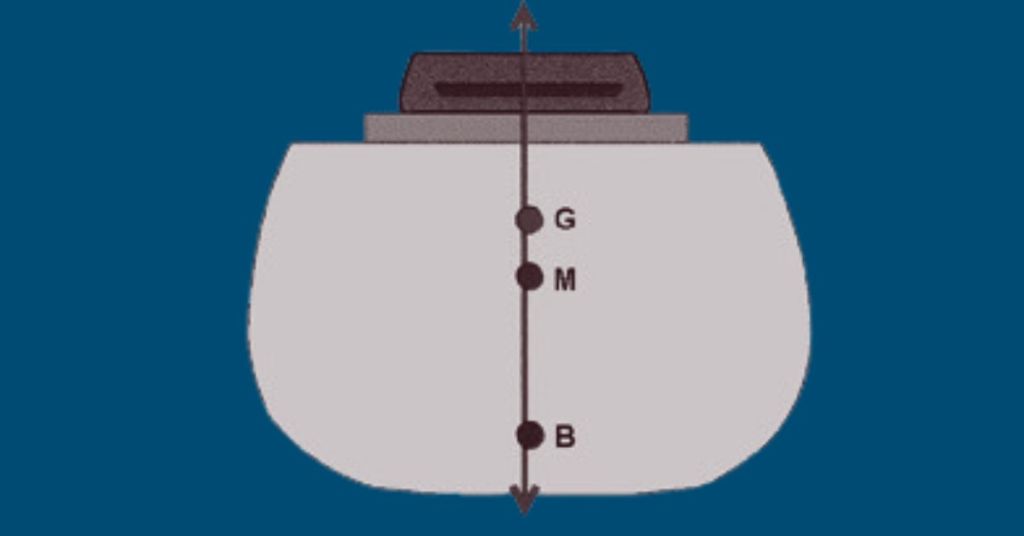
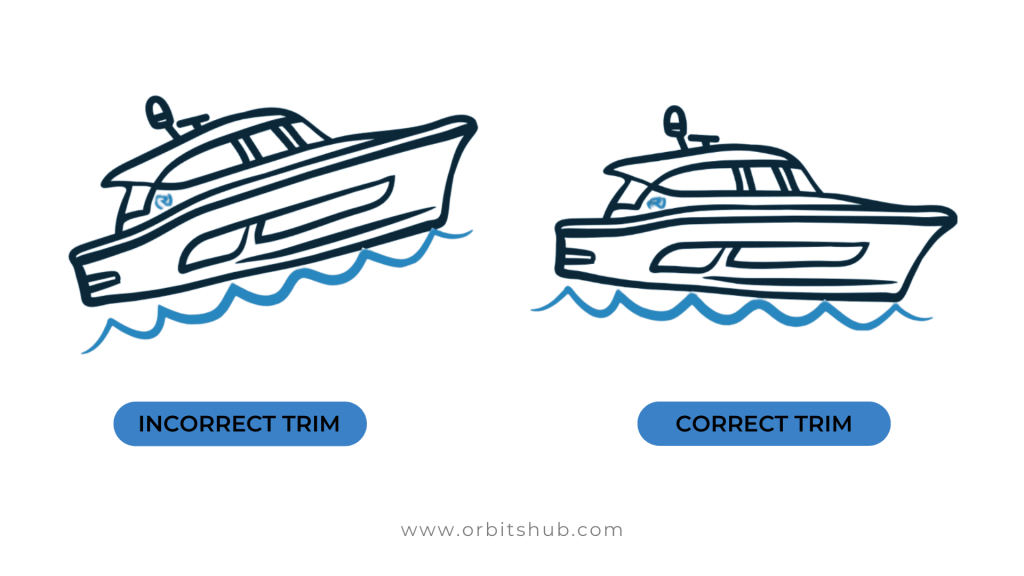
Picture a ship as a giant seesaw floating on water. Ship trim refers to the difference in draft between the bow and stern of a vessel. When a ship is perfectly balanced, with equal draft fore and aft, it’s said to be on an even keel. But more often than not, ships operate with a slight tilt – either bow-down (by the head) or stern-down (by the stern). This tilt isn’t random; it’s a carefully calculated decision that can significantly impact a ship’s performance.
Why Ship Trim Matters
You might be thinking, “Does a small tilt really make that much difference?” The answer is a resounding yes! Proper trim can reduce fuel consumption, enhance stability, improve maneuverability, and even increase cargo capacity. It’s like finding the sweet spot on a golf club – when you hit it just right, everything falls into place.
Understanding the Dynamics of Ship Trim: LCG and LCB Explained

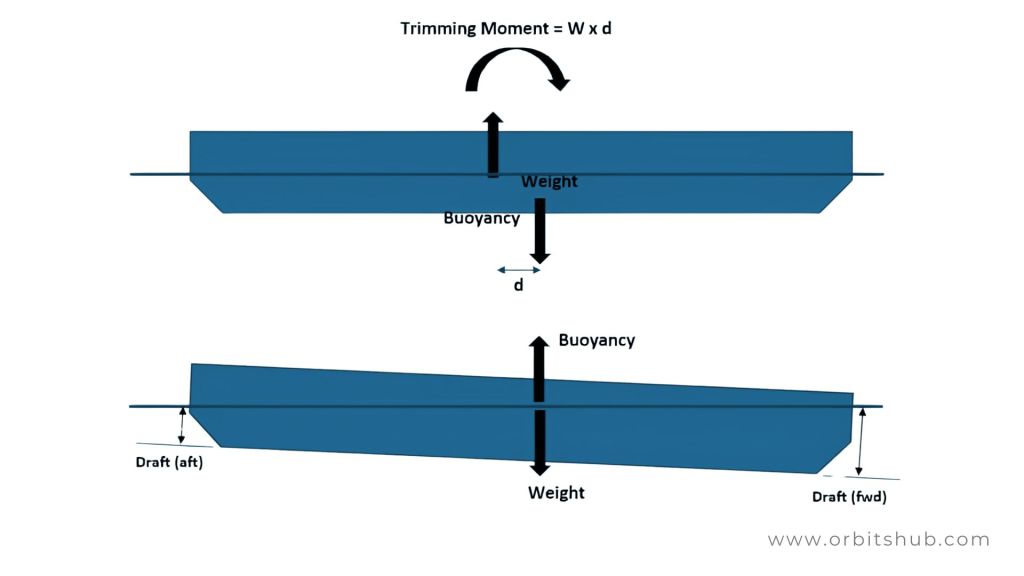
When a weight is added to a ship, it shifts the Longitudinal Center of Gravity (LCG) and the Longitudinal Center of Buoyancy (LCB), resulting in a change in trim. This trim change is calculated using the formula:
Change of trim = W × (LCBfoap – LCGfoap) / MCTC
Where W is the ship’s displacement, and MCTC is the Moment to Change Trim by 1 cm. The difference between LCB and LCG indicates whether the ship trims by the stern (positive value) or by the bow (negative value). Proper management of these factors is crucial for maintaining a ship’s stability and performance.
Key Factors Influencing Ship Trim
Weight Distribution
Imagine trying to balance a pencil on your finger. The distribution of weight along the pencil’s length determines where it balances. Ships work in much the same way. The longitudinal distribution of weight – including the ship’s structure, equipment, cargo, and consumables – plays a crucial role in determining trim.
Fuel and Ballast Management
Think of fuel and ballast tanks as the ship’s built-in balancing act. As fuel is consumed during a voyage, the ship’s weight distribution changes. Ballast water, strategically added or removed, helps maintain optimal trim. It’s a constant dance of adjustments to keep the ship in its best performing state.
Cargo Placement and Shifting
Cargo is the wild card in the trim equation. Its placement can dramatically alter a ship’s trim, and shifts during transit can cause unexpected changes. Smart cargo planning isn’t just about maximizing space – it’s about maintaining the ideal trim throughout the journey.
Hull Design and Modifications
A ship’s hull is like its fingerprint – unique and influential. The shape of the hull, including features like bulbous bows or stern flaps, can significantly affect how a ship sits in the water. Even small modifications can have a big impact on trim and performance.
Environmental Influences on Ship Trim
Wave Action and Sea State
The sea is never still, and neither is a ship’s trim. Waves constantly push and pull at a vessel, causing dynamic changes in trim. It’s like trying to balance on a giant waterbed – you need to constantly adjust to stay upright.
Wind Forces
Wind isn’t just a force above the water – it can significantly affect a ship’s trim. Strong headwinds or tailwinds can cause a ship to pitch, altering its trim. Crosswinds can lead to heeling, which indirectly affects trim as well.
Water Density Variations
Sailing from saltwater to freshwater is like moving from a pool to a lake – the buoyancy changes. Variations in water density due to temperature, salinity, or depth can affect how a ship sits in the water, influencing its trim.
Operational Aspects Affecting Trim
Speed and Power
As a ship increases speed, it experiences dynamic trim changes. The bow may rise or squat depending on the hull design and speed. It’s similar to how the nose of an airplane lifts during takeoff – speed changes the game.
Shallow Water Effects
Navigating shallow waters is like trying to run in a pool – everything feels different. In shallow water, a ship’s trim can change dramatically due to increased resistance and altered hydrodynamics. This phenomenon, known as squat, can significantly affect trim and must be carefully managed.
Trim Optimization Techniques
Advanced Trim Monitoring Systems
Modern ships are equipped with high-tech trim monitoring systems. These digital eyes and ears constantly assess the ship’s position in the water, providing real-time data to optimize trim. It’s like having a built-in expert constantly fine-tuning the ship’s balance.
Predictive Modeling for Trim Management
Cutting-edge technology now allows us to predict optimal trim settings for different conditions. Using sophisticated algorithms and historical data, we can anticipate the best trim for various scenarios, much like how weather forecasters predict storm patterns.
The Future of Ship Trim Technology
The horizon of ship trim technology is bright with possibilities. Artificial intelligence and machine learning are set to revolutionize how we manage trim. Imagine ships that automatically adjust their trim in response to changing conditions, optimizing performance without human intervention. This isn’t science fiction – it’s the direction our industry is heading.
Wrapping Up: The Ongoing Importance of Ship Trim
Ship trim might seem like a small detail in the vast world of maritime operations, but it’s a detail that makes a world of difference. From fuel efficiency to safety, proper trim management touches every aspect of a ship’s performance. As we continue to push the boundaries of maritime technology, one thing remains clear: understanding and optimizing ship trim will always be at the heart of successful seafaring.