What Is SOPEP, and Why Does It Matter?
SOPEP, which stands for Shipboard Oil Pollution Emergency Plan, is a meticulously crafted strategy designed to prevent, prepare, and respond to oil spill incidents originating from vessels. It matters significantly because it plays a critical role in safeguarding our oceans, coastlines, and the safety of maritime operations.
The Building Blocks of a SOPEP Plan
A SOPEP plan comprises several key components, each serving a vital purpose:
Oil Spill Response Equipment and Materials
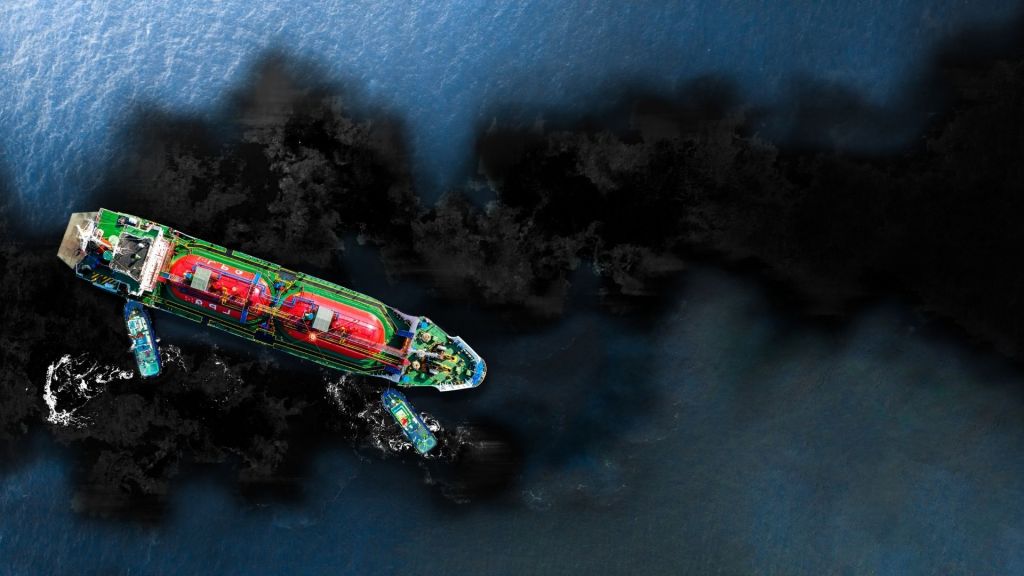
Within a SOPEP plan, ships are equipped with specialized tools and materials designed to effectively combat oil spills. These include containment booms, skimmers, dispersants, and protective gear for crew members.
Organizational Structure and Responsibilities
The plan outlines a clear organizational structure, ensuring that everyone on board knows their role during an oil spill emergency. Assigning responsibilities and clear lines of communication are paramount.
Communication and Reporting Procedures
SOPEP lays down specific protocols for efficient and timely reporting of oil spill incidents to relevant authorities, both onboard and to shore-based entities.
Training and Drills
Crew members receive comprehensive training in oil spill response procedures and regularly participate in drills to ensure they are well-prepared to handle emergencies.
Regulatory Framework for SOPEP Compliance
Mandatory Requirement: MARPOL Annex I makes it mandatory for ships of certain sizes and types to have a SOPEP plan in place. This requirement ensures that vessels are prepared to respond to oil spill emergencies.
Plan Content: The regulation outlines the essential components that must be included in a SOPEP plan, such as oil spill response equipment, organizational structure, communication procedures, and training.
Regular Drills and Training: Ships are required to conduct regular drills and training exercises to ensure that crew members are adequately prepared to implement the SOPEP plan in case of an oil spill incident.
Record Keeping: MARPOL Annex I mandates record-keeping related to SOPEP, including documentation of training, drills, and any oil spill incidents.
Compliance and Enforcement: Flag States and Port States play a role in enforcing compliance with these regulations. Ships may be inspected to ensure that they have a valid and up-to-date SOPEP plan.
Navigating SOPEP Implementation
Implementing SOPEP effectively requires careful planning and execution. Vessels must develop customized SOPEP plans tailored to their specific needs and operations. This implementation is not only a legal requirement but also a practical necessity.
Real-World Success Stories
To gain insight into the tangible benefits of SOPEP, one need only look at real-life examples of successful implementation. Ships that have effectively executed their SOPEP plans have minimized environmental damage and demonstrated the plan’s efficacy.
Overcoming Challenges: SOPEP in Action
Despite its importance, SOPEP implementation can encounter challenges. These may include resource limitations, crew training, and procedural hurdles. However, lessons learned from past incidents continually inform improvements in SOPEP plans and practices.
SOPEP vs. SMPEP: Understanding the Differences
SOPEP is not the only plan in the maritime safety arsenal. It’s crucial to understand the differences between SOPEP and SMPEP (Shore-Based Oil Pollution Emergency Plan). Each plan has its specific applicability, and together, they form a robust framework for addressing oil spills.
A Global Effort: SOPEP on the International Stage

The importance of SOPEP extends beyond individual ships and nations. International regulations and conventions, such as MARPOL (Marine Pollution), have made SOPEP a global imperative. The cooperation among countries and organizations is paramount in addressing oil spill emergencies that often transcend national boundaries.
Charting the Future: Evolving SOPEP for a Changing World
As technology and environmental concerns continue to evolve, so does SOPEP. It adapts to embrace emerging technologies, sustainability measures, and eco-friendly approaches. SOPEP remains at the forefront of addressing dynamic and evolving environmental challenges.
SOPEP – A Beacon of Hope
SOPEP isn’t just an acronym; it’s a commitment to preserving our oceans, coastlines, and the entire maritime ecosystem. It stands as an indispensable tool for averting and managing oil spills, ensuring environmental protection, and enhancing maritime safety. As the maritime industry continues to evolve, SOPEP remains a beacon of hope, guiding us toward a cleaner, safer, and more sustainable maritime future.