The Federal Aviation Administration (FAA) is vital to the United States’ aviation landscape. From commercial airlines to private pilots and beyond, the FAA’s impact reaches far and wide, as it was established to guarantee the safety and efficiency of the nation’s airspace. Anyone interested in air travel management aviation or who flies frequently should familiarize themselves with the FAA’s functions.
The Origin of the Federal Aviation Administration
The Early Days of Aviation Regulation
In the early 20th century, aviation was a relatively new field, and the need for regulation was minimal. However, as the number of flights increased, so did the need for oversight. The first significant step towards a regulated aviation industry came with the Air Commerce Act of 1926, which laid the foundation for the FAA’s predecessor, the Civil Aeronautics Authority (CAA). The CAA issued and enforced regulations to ensure civil aviation safety, including licensing pilots and aircraft.
The Birth of the FAA
The modern FAA was born out of necessity. The rapid growth of air travel in the post-World War II era highlighted the need for a more robust regulatory body. One thousand nine hundred fifty-eight, the Federal Aviation Act was passed, and the FAA was officially established. The agency was tasked with regulating and overseeing all aspects of civil aviation in the United States. This included air traffic control, aircraft certification, and enforcing safety standards.
The Structure of the Federal Aviation Administration
The FAA’s Organizational Hierarchy
The FAA is a large organization with a complex structure designed to manage the diverse aspects of aviation. At the top is the FAA Administrator, appointed by the President and confirmed by the Senate. Below the Administrator are various offices and divisions, each responsible for specific areas of aviation.
Some of the key offices within the FAA include:
- Air Traffic Organization (ATO): Manages the nation’s air traffic control system.
- Office of Aviation Safety (AVS): Ensures the safety of aircraft and aviation personnel.
- Office of Airports (ARP): Oversees airport development and standards.
- Office of Commercial Space Transportation (AST): Regulates commercial space launches and reentries.
Regional and Field Offices
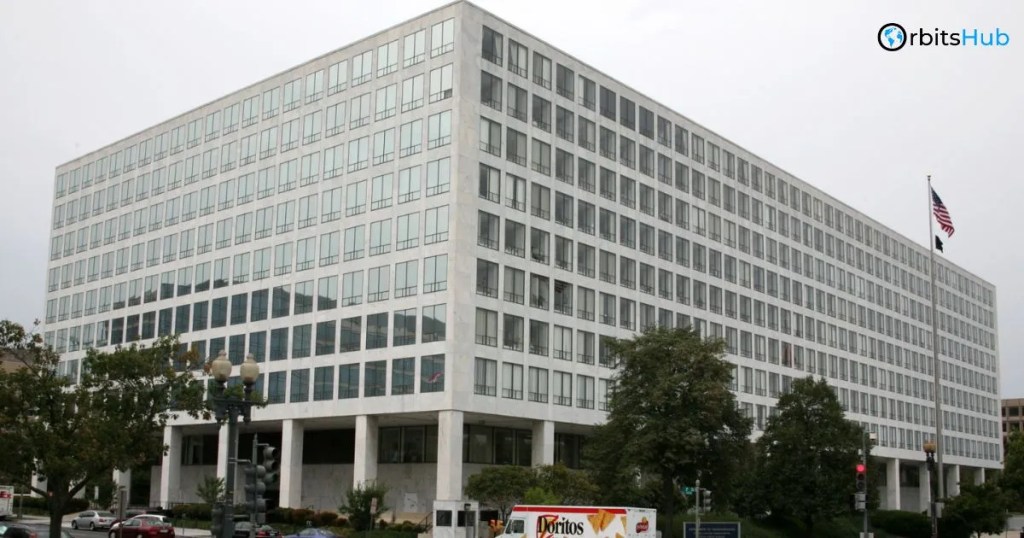
In addition to its headquarters in Washington, D.C., the FAA operates numerous regional and field offices nationwide. These offices are responsible for implementing FAA policies and regulations at the local level. They work closely with airports, airlines, and other stakeholders to ensure that aviation operations comply with federal standards.
The FAA’s Responsibilities
Air Traffic Control
One of the FAA’s most visible functions is managing the nation’s air traffic control (ATC) system. The ATC system is a network of control centers and towers that guide aircraft through the skies, ensuring they reach their destinations safely and efficiently. The FAA employs thousands of air traffic controllers who monitor and direct aircraft movement on the ground and in the air.
The FAA’s ATC responsibilities are critical to preventing collisions and ensuring that flights operate smoothly. The system is designed to handle a high traffic volume, with controllers constantly communicating with pilots to provide instructions on altitude, speed, and routing.
Aircraft Certification
Another critical responsibility of the FAA is the certification of aircraft. Before any aircraft can be flown, it must be certified by the FAA to ensure it meets all safety standards. This process involves rigorous testing and inspection to confirm the aircraft is airworthiness.
The FAA also certifies the design and production of aircraft components, such as engines and avionics systems. Manufacturers must follow all rules and regulations and pass inspections regularly to keep their accreditation.
Pilot and Crew Certification
The FAA is also responsible for the certification of pilots and aviation personnel. This includes commercial airline pilots, private pilots, flight instructors, and maintenance technicians. Certification is earned by meeting the requirements defined by the FAA, which involve passing written exams, practical tests, and medical evaluations.
The agency also oversees the certification of flight schools and training programs to ensure they provide the necessary education and resources for aspiring pilots.
Aviation Safety and Security
Safety is the FAA’s top priority, and the agency enforces many regulations to protect passengers, crew, and the public. This includes setting standards for aircraft maintenance, operational procedures, and airport security.
The FAA works closely with other agencies, such as the Transportation Security Administration (TSA), to ensure security measures are in place to prevent threats to aviation. The agency also conducts regular inspections and audits of airlines, airports, and other aviation entities to ensure compliance with safety regulations.
The FAA’s Role in Commercial Spaceflight
A New Frontier
The FAA has recently expanded its role in regulating commercial spaceflight. The agency’s Office of Commercial Space Transportation (AST) licenses and oversees commercial space launches and reentries. This includes ensuring these activities do not risk public safety or the environment.
As the commercial space industry grows, the FAA’s role in this sector becomes increasingly important. The agency is developing regulations and standards to support commercial spaceflight’s safe and sustainable development.
Challenges and Opportunities
The rise of commercial spaceflight presents both challenges and opportunities for the FAA. On one hand, the agency must adapt its regulatory framework to accommodate a rapidly evolving industry. On the other hand, the growth of commercial spaceflight offers the potential for significant economic benefits and technological advancements.
The FAA actively engages with industry stakeholders to address these challenges and ensure that the United States remains a leader in commercial space exploration.
The Future of the Federal Aviation Administration
Technological Advancements
The aviation industry constantly evolves, and the FAA must keep pace with technological advancements. This includes integrating unmanned aircraft systems (UAS), or drones, into the national airspace. The FAA is developing new regulations and procedures to safely incorporate drones into the aviation system while balancing the needs of commercial, recreational, and public safety users.
The agency is also investigating potential next-generation air traffic control systems. These systems will employ cutting-edge technology to improve the efficiency and security of air travel.
Environmental Considerations
The FAA is working to lessen aviation’s adverse effects on the environment in response to rising awareness of climate change and the need to protect our planet. This includes promoting the use of sustainable aviation fuels, improving aircraft efficiency, and encouraging the adopting of more environmentally friendly practices by airlines and airports.
The FAA works with organizations such as the International Civil Aviation Organization (ICAO) to create global policies and initiatives to mitigate the environmental impacts of aviation.
Legislative and Policy Developments
The FAA operates within a complex legal and regulatory framework, and legislation and policy changes can significantly impact its operations. The agency must navigate a constantly shifting landscape of federal, state, and local regulations while balancing the interests of various stakeholders, including the aviation industry, government agencies, and the public.
Looking ahead, the FAA will continue to play a crucial role in shaping the future of aviation in the United States and beyond.
The Federal Aviation Administration is a cornerstone of the aviation industry, ensuring the nation’s airspace’s safety, security, and efficiency. The FAA has far-reaching and significant impacts in many areas, including commercial spaceflight, air traffic management, and pilot certification and training. As the aviation industry continues to evolve, the FAA will remain at the forefront, adapting to new challenges and opportunities to keep the skies safe for all.
If you are involved in the aviation industry or are interested in learning more, consider exploring the services offered by Orbitshub. Orbitshub is a maritime services company that can provide valuable insights and assistance in navigating the complexities of marine operations.