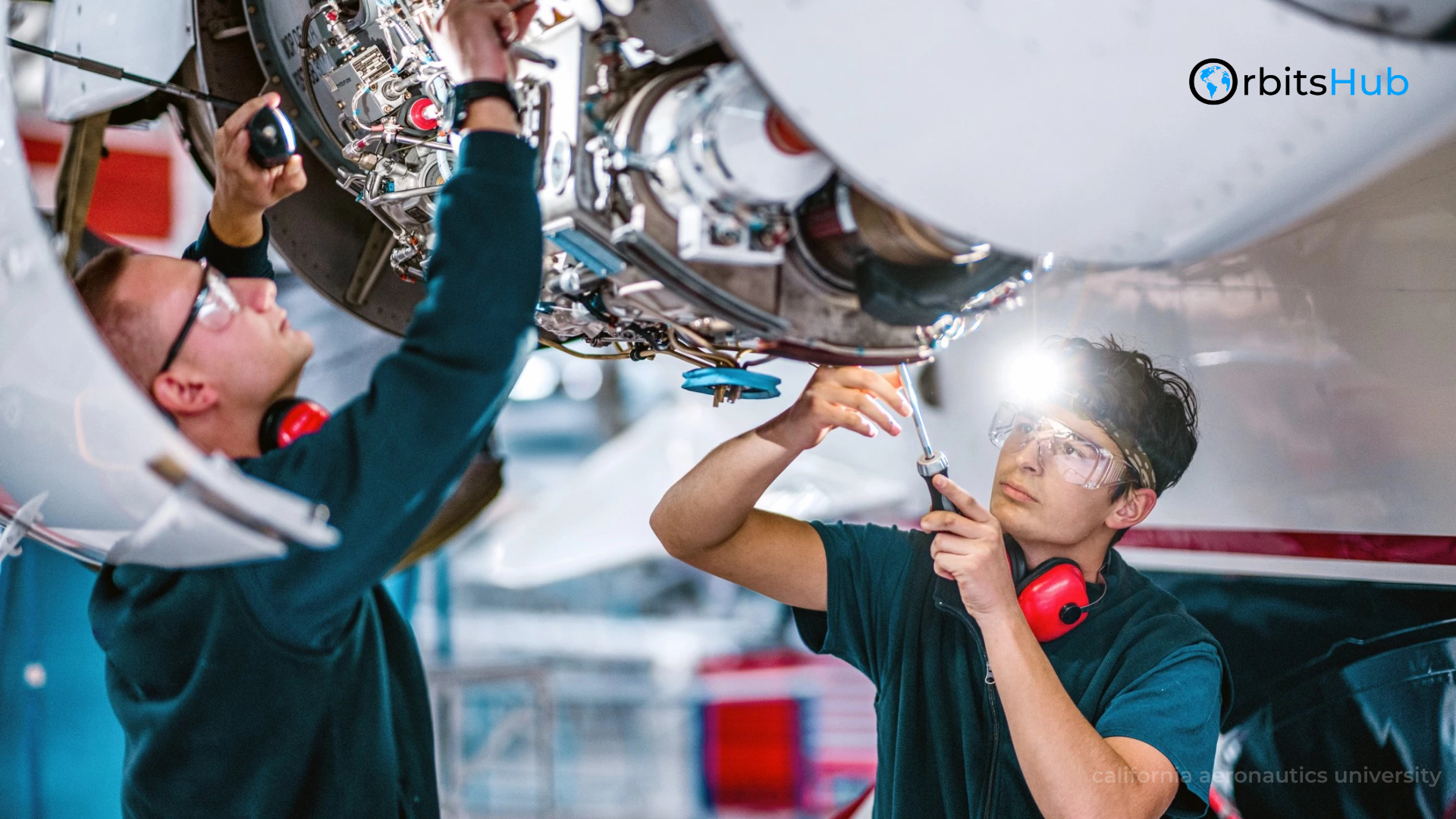
When you board a flight, your primary concern is not just reaching your destination but getting there safely. Behind every smooth flight lies the invisible yet critical work of aircraft maintenance. For airlines, the safety of passengers, crew, and the aircraft itself is non-negotiable. This is where routine and regular aircraft maintenance plays a pivotal role.
Aircraft maintenance is far more than just a technical process; it’s a fundamental aspect of the aviation industry that ensures every journey is as safe as it is enjoyable. Think of it as the foundation of safety that holds together all the intricate parts of an aircraft, ensuring they function seamlessly throughout each flight. Let’s dive deeper into why this maintenance is not just necessary but vital.
The Backbone of Safety in Aviation
The aviation industry is one of the safest in the world, and it owes much of this reputation to the rigorous standards set for aircraft maintenance. Regular checks, repairs, and upgrades are essential to ensure that an aircraft operates at its peak performance. From the engine to the wings, every part of an aircraft undergoes a meticulous inspection to detect any faults, wear, or damage.
A small failure, like a minor fault in the landing gear, could lead to catastrophic consequences if left unchecked. With over 100,000 flights occurring daily worldwide, the stakes are incredibly high. Therefore, aircraft maintenance is a non-negotiable process, and it is done regularly to minimize any risk of failure, however small.
Types of Aircraft Maintenance
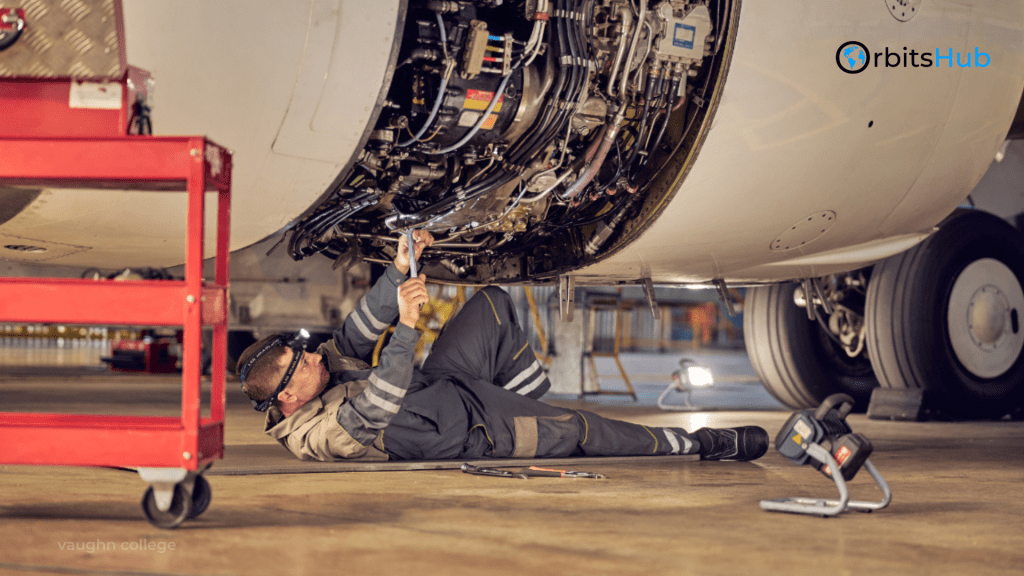
Aircraft maintenance is divided into several categories, each designed to address specific aspects of an aircraft’s safety and performance. These include:
1. Scheduled Maintenance
Scheduled maintenance refers to regular checks that are conducted after a set number of flying hours or landings. These are planned well in advance and are performed at fixed intervals. Think of it like a car’s routine servicing—ensuring that everything is running smoothly before any issues arise. This includes detailed inspections of the engines, avionics systems, hydraulic systems, and more.
2. Unscheduled Maintenance
While scheduled maintenance is planned, unscheduled maintenance comes into play when unexpected issues arise. This could be a problem detected by the crew during a flight or an issue discovered during routine checks. Aircraft are designed to handle many potential failures, but these checks allow technicians to quickly address and fix problems before they escalate.
3. Predictive Maintenance
Predictive maintenance uses advanced technology to predict when parts of the aircraft may need attention. This is done through sophisticated sensors and monitoring systems installed on the aircraft that track performance metrics such as engine temperature, fuel efficiency, and mechanical vibrations. This allows for early detection of issues that could be costly or dangerous if left undetected.
4. Preventive Maintenance
Performing preventive maintenance means being cautious and stopping problems before they happen. It includes replacing parts that are prone to wear and tear, lubricating moving parts, and upgrading components to newer versions. These measures help extend the life of the aircraft and avoid costly repairs in the future.
The Role of Aircraft Technicians in Ensuring Safety
Aircraft technicians are the unsung heroes behind the scenes who ensure that everything works as it should. These highly trained professionals conduct the necessary checks, repairs, and upgrades. They inspect everything from the exterior of the plane to the complicated inner workings of the engine.
Technicians use both traditional tools and advanced technology to carry out their work. For instance, they use sophisticated diagnostic equipment to identify electrical or mechanical issues that may not be visible to the naked eye. Their expertise ensures that even the most complex problems are solved before they affect the aircraft’s ability to fly safely.
Why Aircraft Maintenance is Crucial for Passenger Safety
Aircraft maintenance has a direct impact on passenger safety. Each flight is a journey with numerous variables, including weather conditions, flight duration, and the condition of the aircraft itself. A well-maintained aircraft is better equipped to handle these challenges and ensure the safety of everyone on board.
In fact, a study conducted by the International Civil Aviation Organization (ICAO) revealed that 80% of all aviation accidents occur due to human error or technical failure, many of which could be prevented with proper maintenance. This makes regular checks and inspections indispensable to keeping both the aircraft and the passengers safe.
Cost of Skipping Aircraft Maintenance
Maintaining an aircraft might come with significant costs, but not maintaining it can be far more expensive. Skipping regular upkeep can cause bigger problems, some of which might not be obvious at first. A malfunctioning engine or a problem with the landing gear can ground the aircraft, resulting in delays, cancellations, and a financial loss for the airline.
According to a report by the Federal Aviation Administration (FAA), the cost of neglecting routine maintenance could be up to five times higher than the cost of performing regular maintenance.
How Aircraft Maintenance Enhances Performance
An aircraft that is well-maintained performs better in terms of fuel efficiency, operational reliability, and longevity. Routine checks ensure that all systems are operating within the correct parameters, which reduces the likelihood of mechanical issues in the air. Also, regular maintenance keeps the plane going smoothly, which means it uses less fuel and puts out less carbon dioxide. Not only does this help the earth, but it also makes money for the airline.
The Impact of Technological Advancements on Aircraft Maintenance
Technology plays a significant role in modern aircraft maintenance. With the integration of digital systems and sensors, airlines and technicians can monitor aircraft performance in real time. These advancements have made it easier to detect potential issues early on and solve them before they cause serious disruptions.
Some planes now use augmented reality (AR) and virtual reality (VR) systems to teach their techs new skills. These systems act out different situations that could happen during flight. This way, techs can learn how to handle tough situations without the dangers of a real emergency.
Also, the development of artificial intelligence (AI) has made it possible for predictive maintenance to be more effective. To figure out what might go wrong, AI programs look at a huge amount of data from sensors on aeroplanes. This keeps the system from going down when it’s not needed and makes sure that upkeep is only done when it is.
How Often Should Aircraft Maintenance Be Performed?

Aircraft maintenance doesn’t follow a one-size-fits-all approach. The frequency of checks depends on the type of aircraft, the number of hours it has flown, and the airline’s maintenance schedule. For example, most commercial aircraft undergo routine maintenance every 600-800 flight hours or after every 400-600 landings.
While small aircraft might need less frequent checks, larger, more complex aircraft require more in-depth inspections and repairs. Airlines also perform specialized checks based on the aircraft’s manufacturer guidelines, which can include advanced diagnostic testing and detailed structural assessments.
The Growing Importance of Safety Regulations in Aircraft Maintenance
In recent years, regulatory bodies such as the FAA and ICAO have strengthened their safety regulations to ensure higher standards of aircraft maintenance. These organizations have set strict guidelines for aircraft inspections, repairs, and upgrades. Airlines must adhere to these regulations to maintain their licenses and operate legally.
Regulatory requirements also involve mandatory documentation for every maintenance task completed on an aircraft. This creates a transparent system where the entire maintenance history of an aircraft is logged and monitored. These rules are very important for making sure that aeroplanes always meet the best safety standards.
The Future of Aircraft Maintenance
As technology continues to evolve, so does the future of aircraft maintenance. In the coming years, the industry is expected to see even more automation and AI integration. Predictive maintenance systems will become more sophisticated, providing earlier warnings and preventing unplanned downtime.
Additionally, advancements in 3D printing could allow for quicker production of replacement parts, reducing maintenance turnaround times and costs. These innovations promise a more efficient, cost-effective approach to keeping aircraft in top-notch condition.
Frequently Asked Questions
1. How often does an aircraft need maintenance?
Aircraft typically undergo maintenance every 600-800 flight hours or every 400-600 landings. Specific intervals depend on the aircraft type and manufacturer guidelines.
2. What happens if aircraft maintenance is skipped?
Skipping maintenance can lead to severe mechanical failures, safety risks, and financial losses due to aircraft downtime and emergency repairs.