Simplicity in Design: A Solo Sailor’s Best Friend
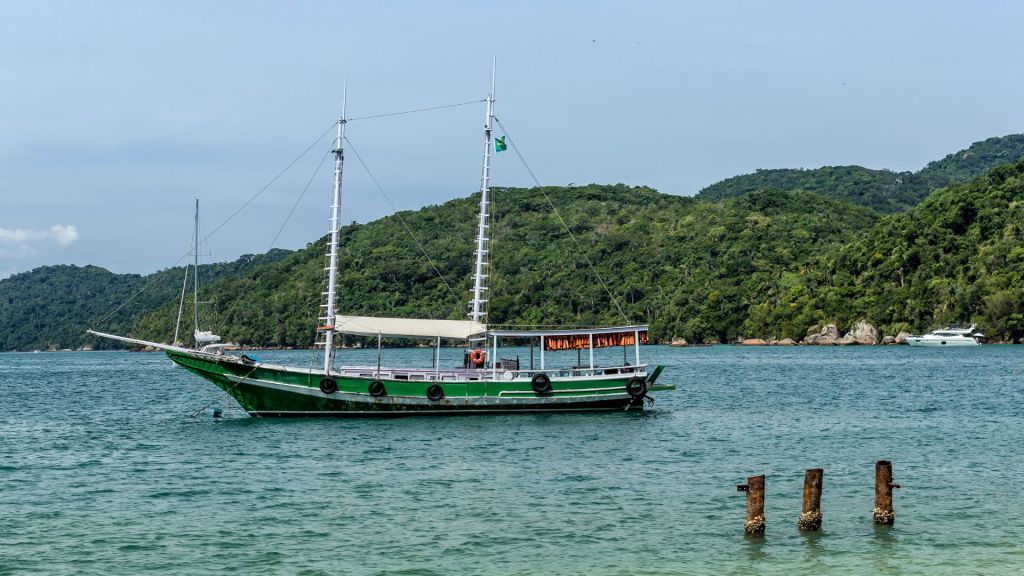
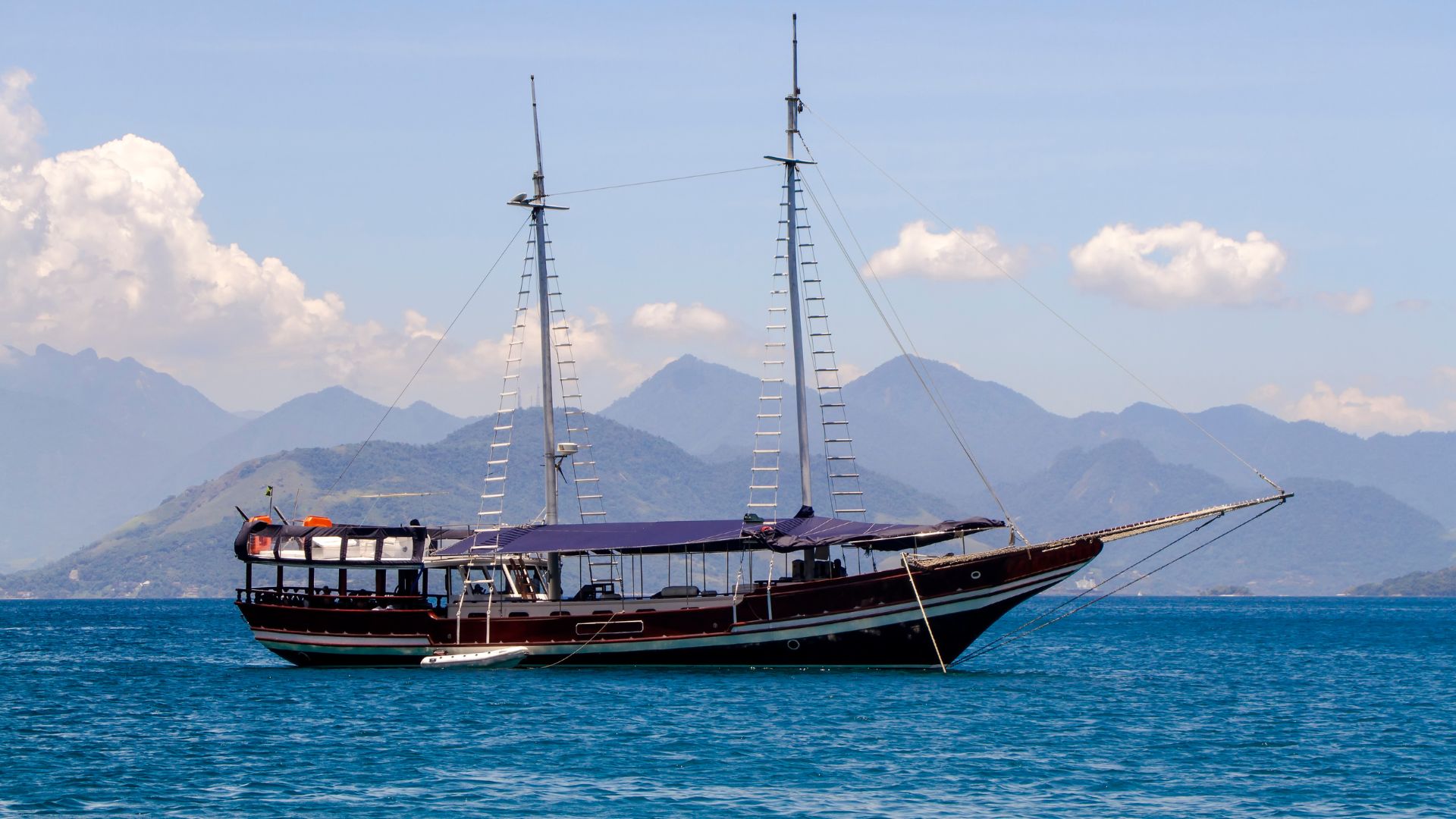
At its core, the sloop rig is the epitome of simplicity. A single mast supports a mainsail and a headsail, creating a streamlined profile that’s a breeze to manage. Unlike more intricate rigs, such as ketches or schooners, the sloop’s uncluttered layout translates to fewer lines, less hardware, and a reduced risk of tangles or snags.
For the solo sailor, this simplicity is a game-changer. With fewer sails to hoist, trim, and reef, you can focus your attention on navigating, weather patterns, and simply enjoying the journey. This ease of handling also minimizes the physical demands of sailing, a crucial factor when you’re the sole crew member.
Versatility in Action: The Sloop’s Adaptability
Don’t let the sloop’s simple design fool you. It’s a chameleon on the water, capable of adapting to a wide range of wind conditions and points of sail. Whether you’re cruising along the coast or tackling challenging ocean passages, the sloop’s versatility shines through.
This adaptability is amplified by the myriad headsail options available. A smaller jib offers nimble handling in heavy winds, while a larger genoa maximizes power in lighter breezes. The staysail, often used in conjunction with a reefed mainsail, provides a balanced sail plan for storm conditions. This flexibility allows you to tailor your sloop’s performance to match the prevailing conditions and your sailing goals.
Manageable Handling: Empowering the Solo Sailor
Imagine effortlessly guiding your sloop through the waves, responding to the slightest touch of the helm. This is the hallmark of a well-designed sloop, a vessel that empowers you to sail with finesse and precision.
For solo sailors, manageable handling is paramount. Confidence and the ability to see the broad picture are both enhanced by a boat that is simple to handle. The responsiveness and well-balanced design of Sloops make them ideal for this task.
Modern sloops often incorporate features that further enhance solo handling. Self-tailing winches make it a breeze to trim sails, while roller furling headsails simplify the process of reefing or changing sails. Autopilot systems, though not essential, can be a lifesaver on long passages, steering the boat while you rest or attend to other tasks.
Solo Sailing Success Stories: The Sloop’s Legacy

The sloop’s prowess as a solo sailing vessel isn’t just theoretical – it’s backed by a rich history of real-world accomplishments. Legendary sailors like Joshua Slocum, the first person to sail single-handedly around the world, and Bernard Moitessier, who famously abandoned a race to continue his solitary voyage, both chose sloops for their epic adventures.
In more recent times, solo sailors like Ellen MacArthur and Jessica Watson have continued the sloop’s legacy, shattering records and inspiring countless others to embrace the challenge of single-handed sailing. These stories serve as a testament to the sloop’s enduring appeal and its ability to enable extraordinary feats of seamanship.
Choosing the Perfect Sloop: Factors for Solo Sailors
While the sloop rig offers numerous advantages, not all sloops are created equal. When choosing a sloop for solo sailing, it’s essential to consider several factors.
The ease and control of single-handed sailing on a sloop is highly dependent on its size and design. While a larger boat might provide more room for storage and living on longer trips, a shorter one could be easier to maneuver in confined areas.
Hull type and construction also influence a sloop’s performance and suitability for solo sailing. A sturdy, well-built hull provides peace of mind in rough conditions, while a lightweight design can enhance speed and responsiveness.
Rigging configuration is another key consideration. A simple, well-organized rig makes sail handling a breeze, while adjustable features like boom vangs and traveler systems allow you to fine-tune your sail trim for optimal performance.
Finally, don’t overlook comfort and safety features. A comfortable cabin with ample storage and a well-equipped galley can make all the difference on long passages. Safety features like sturdy handrails, lifelines, and a reliable autopilot system are essential for solo sailors who must prioritize their well-being at sea.
Embark on Your Solo Voyage: The Sloop Awaits

As we’ve seen, sloops offer an unbeatable combination of simplicity, versatility, and manageable handling, making them the ideal companions for solo sailing adventures. Whether you’re a seasoned sailor or a novice eager to embark on your first solo voyage, a sloop can provide the platform you need to explore the world’s oceans on your terms.
So, what are you waiting for? The sloop awaits, ready to carry you to new horizons and unforgettable experiences. With its timeless design and proven track record, the sloop stands as a symbol of self-reliance, adventure, and the enduring spirit of the solo sailor.