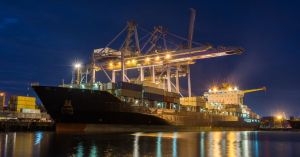
Ports are the lifeblood of global trade, acting as gateways for goods to move between nations. But there’s one unsung hero in these busy maritime hubs that makes everything run smoothly—tugboats. These powerful little vessels play a critical role in ensuring that larger ships can dock safely and efficiently. With a wide range of responsibilities, tugboats keep port operations fluid and help mitigate potential accidents, making them indispensable to the maritime industry.
The Role of Tugboats in Port Operations
When you think of a port, you likely envision massive ships, towering cranes, and bustling warehouses. But behind the scenes, tugboats are working tirelessly to maintain order and efficiency. These boats are designed specifically to assist in the manoeuvring of large vessels, particularly when they approach or depart from the docks.
Tugboats are equipped with high-power engines and are incredibly agile. They are used to help large ships navigate through narrow, crowded, or shallow waters. Tugboats push or pull larger ships, such as container ships or oil tankers, to prevent any damage during docking and undocking. With their powerful engines and robust design, tugboats have the necessary strength to move ships that weigh thousands of tons.
Types of Tugboats and Their Functions
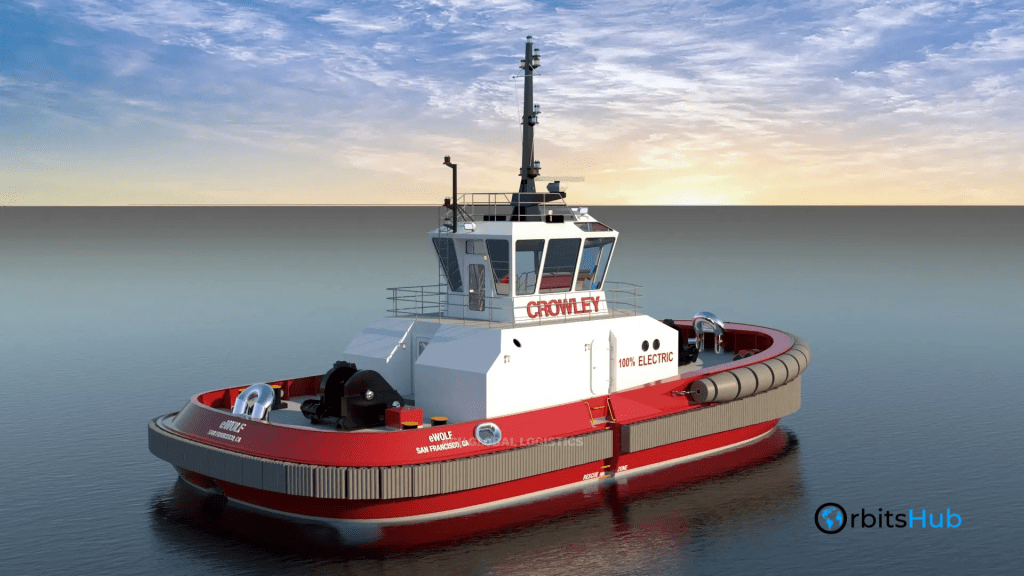
While all tugboats serve the same fundamental purpose, there are different types suited to specific tasks. Some tugboats are designed for manoeuvring ships in harbours and near the coastline, while others are built for ocean-going operations.
Harbour Tugboats
These tugboats are most commonly used in port operations. They assist ships in docking and undocking, navigating tight spaces, and navigating in shallow waters. Harbour tugboats are typically small and highly manoeuvrable, able to move quickly and adjust their positions with ease.
Ocean-going Tugboats
Ocean-going tugboats are much larger and more robust, built for high-powered operations in open waters. They are used to tow ships across vast distances or even assist in the pulling of large vessels through rough seas. These tugboats are typically employed in more specialised tasks, such as pulling oil rigs or large barges across the ocean.
Emergency Tugboats
Emergency tugboats play a vital role in mitigating risks. If a large vessel is at risk of running aground or losing control in difficult conditions, these tugboats provide immediate assistance. Equipped with powerful engines and trained crews, emergency tugboats are capable of rapidly assisting in critical situations, ensuring the safety of both ships and their surroundings.
How Tugboats Ensure Port Safety
Port safety is paramount for both the vessels arriving at the docks and the people working onshore. Tugboats contribute significantly to ensuring that port operations remain accident-free. Without tugboats, larger ships would find it nearly impossible to manoeuvre in tight docking spaces, leading to the possibility of crashes or damage to port infrastructure.
One key aspect of safety is the ability of tugboats to guide ships through narrow or shallow waters. Large ships often have a hard time navigating in areas where there is limited space or a lot of other traffic. Tugboats help by pushing or pulling these ships in the right direction, preventing any collisions or groundings. This manoeuvring ability reduces the risk of accidents and ensures that ships are properly positioned when they dock.
The importance of tugboats can be highlighted by looking at a statistic that demonstrates their value: In the United States, tugboats have helped prevent over 150 accidents annually in major ports by assisting in docking and undocking operations. This shows that tugboats are crucial in keeping the flow of goods uninterrupted and safe.
Tugboats in Emergency Scenarios
In maritime operations, emergencies can arise at any moment, and the swift response of tugboats can make all the difference. Whether it’s preventing a collision, avoiding a ship grounding, or aiding vessels in distress, tugboats are always ready to jump into action.
In some situations, tugboats are used to help prevent environmental disasters. For instance, if an oil tanker is stranded or about to spill its contents, tugboats can be used to move the vessel away from sensitive areas. This immediate action can prevent the release of harmful substances into the water, which can have devastating effects on marine life and the surrounding environment.
Additionally, tugboats are often used to assist ships during rough weather conditions, such as high winds or heavy waves. They provide stability and help large ships maintain course, which prevents accidents or even capsizing in severe conditions.
The Tugboat Industry: A Key to Port Efficiency
Ports around the world rely on tugboats not only for safety but also for the smooth operation of their supply chains. By ensuring that vessels dock and depart without delays or incidents, tugboats contribute to the overall efficiency of the port. This efficiency is particularly important as the world’s ports grow busier and more congested due to increasing global trade.
An efficient port operation can drastically reduce turnaround times for ships, allowing them to stay at sea longer and transport more goods. This reduction in port dwell times directly correlates with the speed of the global supply chain. For example, a study conducted in Rotterdam, one of Europe’s busiest ports, found that tugboats could reduce a ship’s docking time by as much as 15 minutes, which in turn increases port throughput.
The Economics of Tugboats
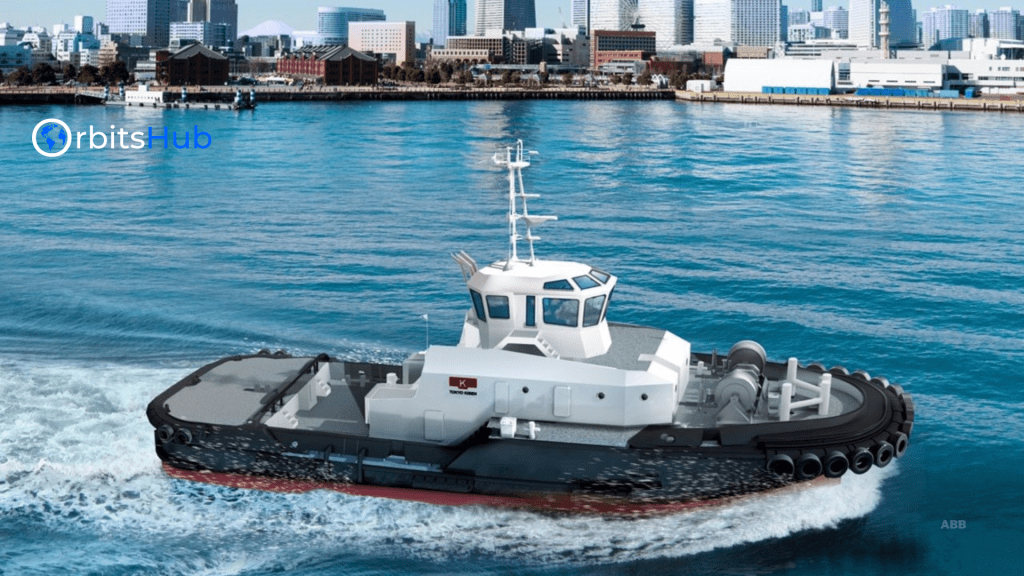
Tugboats may seem like small players in the vast world of maritime trade, but their contributions are invaluable to the global economy. The efficiency and safety that tugboats provide directly impact the costs of shipping, which in turn affects the prices of goods.
A well-run tugboat service helps to lower the costs associated with port operations. Tugboats decrease the risk of accidents and reduce delays, making shipping companies operate more efficiently. This efficiency leads to lower shipping costs. This, in turn, makes trade more affordable and accessible to businesses and consumers around the world.
Another economic benefit is the number of jobs created by the tugboat industry. Crew members, engineers, and support staff are all required to operate tugboats, making the industry a significant contributor to local economies in port cities.
Tugboats and Environmental Sustainability
As the world increasingly focuses on sustainability, tugboats are also playing a role in ensuring that ports meet environmental regulations. Modern tugboats are designed to be more eco-friendly, with many vessels using cleaner fuel sources and adopting green technologies. These advancements help reduce emissions and improve the overall environmental impact of port operations.
Tugboats help mitigate potential environmental disasters. They provide rapid assistance in the case of oil spills or ship groundings. Their swift response saves the environment from long-lasting pollution damage. This demonstrates their crucial role in sustainable maritime operations.
Frequently Asked Questions
1. What is the average cost of a tugboat service?
The cost of tugboat services varies depending on the size of the ship and the distance it needs to be towed. On average, tugboat services can cost anywhere from $1,000 to $10,000 per operation.
2. Can tugboats be used for tasks outside of port operations?
Tugboats are used in offshore operations. They assist with various tasks, such as positioning oil rigs, towing barges, and pulling ships through ice-covered waters.