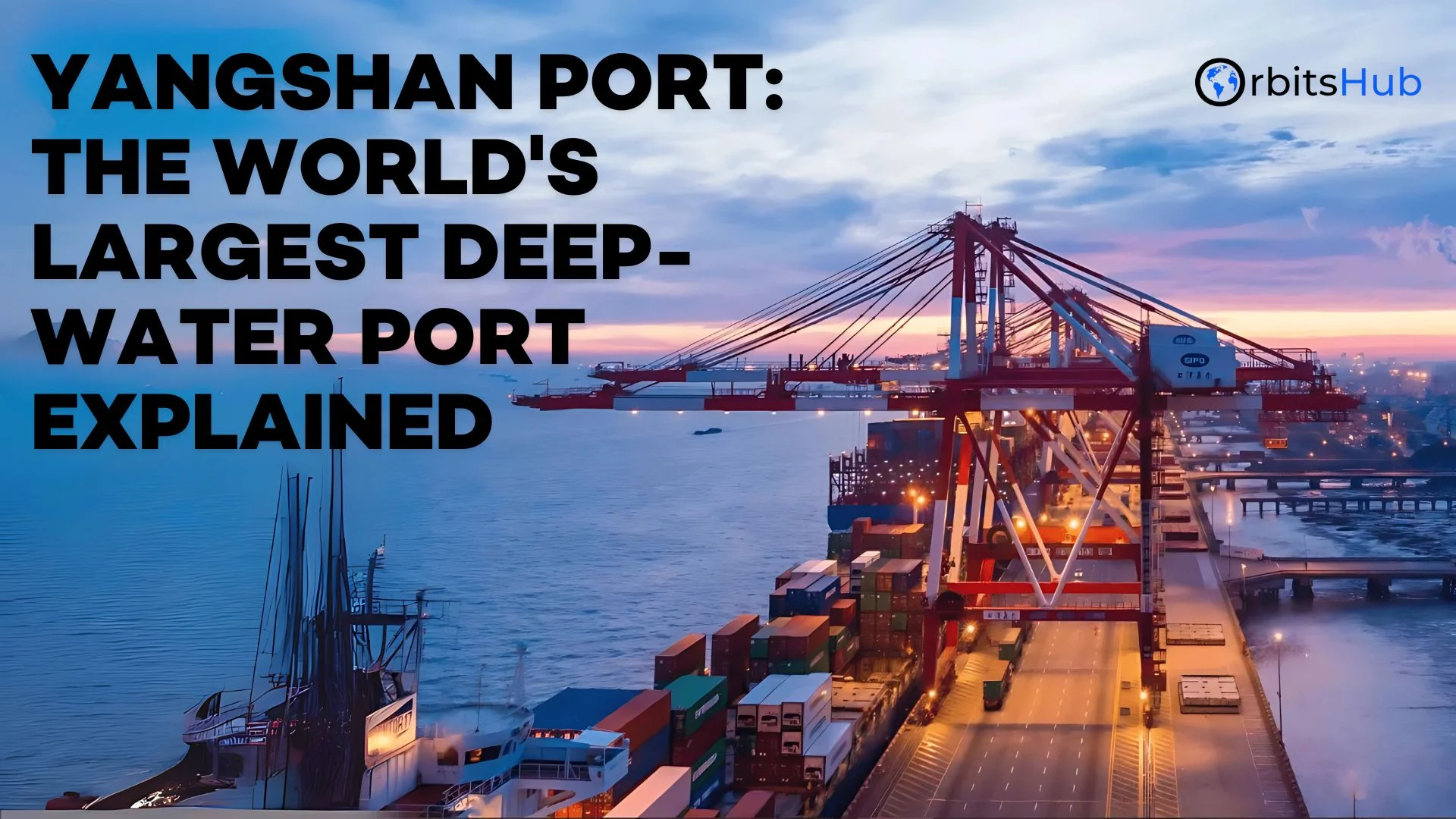
In the evolving world of global trade and maritime innovation, Yangshan Port stands as a beacon of progress. Strategically positioned and technologically advanced, it has become a critical international shipping and logistics asset. Maritime professionals and industry leaders view Yangshan as more than just a port. It is a living example of how engineering, innovation, and policy can align to reshape the flow of global commerce.
As the world’s largest deep-water port, Yangshan doesn’t merely handle cargo. It moves the maritime industry forward. This article explores the origin, infrastructure, operations, and global impact of Yangshan Port, offering insights for maritime experts, innovators, and policy-makers keen to understand the scale and significance of this modern marvel.
What Is Yangshan Port?
A Strategic Gateway to the World
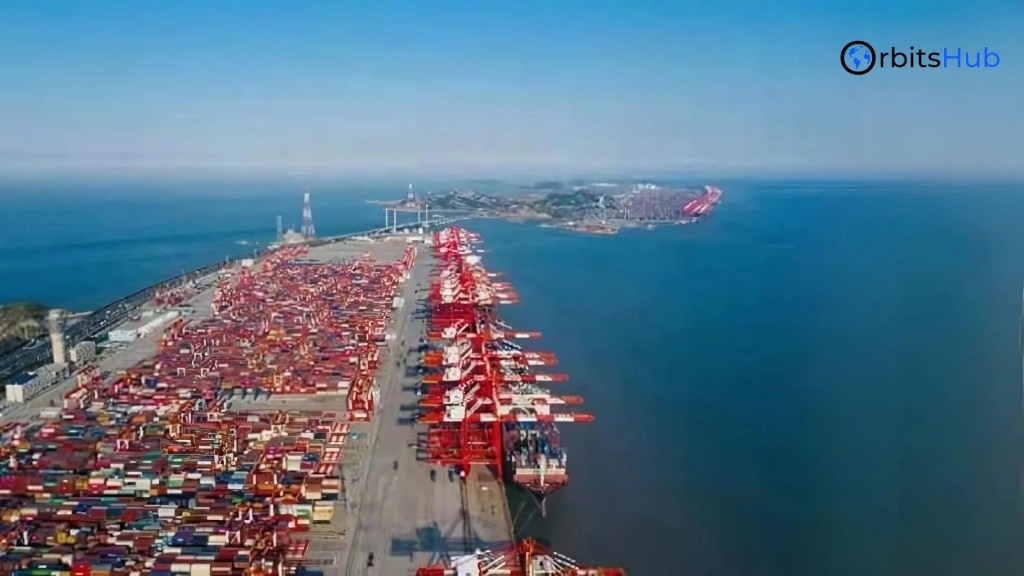
Yangshan Port is a deep-water port located off the coast of Shanghai, China, built on the Yangshan Islands in Hangzhou Bay. It forms a core component of the Shanghai Port complex, the busiest container port in the world. What sets Yangshan apart is its size and ability to accommodate ultra-large container vessels (ULCVs), thanks to its deep berths and year-round navigability.
Constructed in phases starting in 2002, the port was developed to overcome the draft limitations of Shanghai’s traditional shallow-water harbors. Doing so has opened new lanes for global maritime trade, especially for vessels requiring depths greater than 15 meters.
Engineering Marvel: Infrastructure and Design
The Donghai Bridge
The Donghai Bridge connects the mainland to the islands, an engineering wonder stretching over 32 kilometers. It is vital to seamlessly link Yangshan with the rest of the mainland logistics network, enabling rapid container transfer to and from inland manufacturing and industrial zones.
Terminal Capacity and Layout
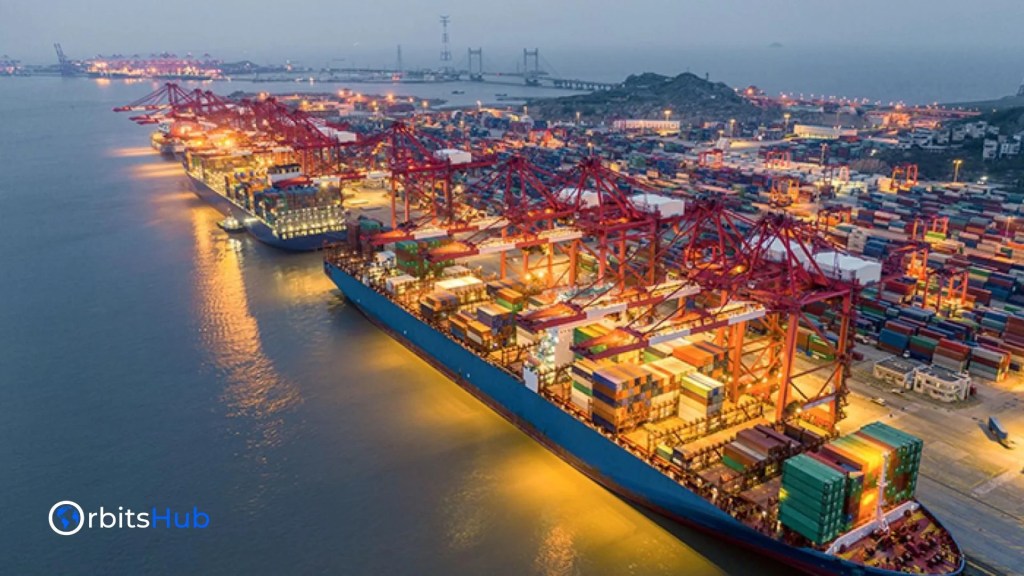
Yangshan Port is built in multiple phases, with each terminal designed to handle massive cargo volumes efficiently. With more than 20 berths and automated container handling systems, the port’s capacity exceeds 40 million TEUs (Twenty-Foot Equivalent Units) annually.
Automation and Smart Technology
Yangshan integrates AI-driven terminal management, automated cranes, and uncrewed vehicles to maintain operational excellence. These technologies optimize throughput and reduce operational delays, contributing to a lower environmental footprint and setting global benchmarks in port automation.
Why Yangshan Port Matters to the Maritime Industry
A New Benchmark in Port Performance
For maritime industry professionals, Yangshan Port demonstrates what a future-forward, high-capacity port can achieve when backed by national strategy and technological investment. It has redefined efficiency standards and introduced best practices for deep-water terminal operations.
Integrated Supply Chain Management
The port supports end-to-end logistics solutions. Through digital connectivity with Shanghai’s inland ports, warehouses, and customs systems, Yangshan helps accelerate cargo clearance, track goods in real-time, and manage exceptions with speed. This makes it highly appealing for corporate decision-makers and logistics planners aiming for seamless supply chain execution.
A Model for Public-Private Partnership
Yangshan Port exemplifies effective collaboration between government authorities, port operators, and technology providers. Such a model encourages policy innovation and regulatory flexibility, offering a blueprint for other countries aiming to modernize their maritime infrastructure.
Global Impact and Strategic Relevance
The Heart of the Maritime Silk Road
Yangshan Port plays a key role in China’s Belt and Road Initiative (BRI) at a strategic intersection of international trade routes. It is a vital node connecting Asia, Europe, and Africa, accelerating trade flows and deepening economic integration.
Competitiveness in Global Trade
The port gives Shanghai a significant edge in global shipping by reducing transit times, offering economies of scale for shipping lines, and improving service reliability. Yangshan’s efficiency translates to reduced risks and predictable lead times for exporters and importers.
Boost to National Security and Sovereignty
From a defense and strategic perspective, Yangshan is also crucial for government and security planners. Enhancing China’s maritime independence and trade security reduces reliance on foreign ports and secures vital supply chains.
Commitment to Sustainability
Green Port Practices
Yangshan Port is not just about volume. It’s also about responsibility. The port authorities have implemented shore power systems, low-emission equipment, and smart energy use. Such practices align with global sustainability goals and set examples for transportation policy-makers and climate advocates.
Environmental Monitoring and Compliance
Continuous monitoring ensures the port’s activities align with marine conservation protocols. Sediment control, water quality assessments, and biodiversity protection are integrated into operational routines, highlighting the port’s role in sustainable maritime governance.
Challenges and Future Opportunities
Adapting to Global Trade Fluctuations
The volatile nature of global trade driven by geopolitical shifts, economic cycles, and disruptions like pandemics requires Yangshan to remain agile. Predictive analytics and AI investments aim to mitigate such risks and keep operations smooth.
Expansion and Innovation
Future phases of development focus on expanding berth capacity, boosting AI integration, and enhancing digital customs clearance systems. For technology innovators, this offers fertile ground for collaboration and pilot projects in smart logistics.
International Collaboration
While Yangshan leads the region, it also seeks to partner with global ports for best practice sharing, digital standardization, and environmental innovation. These collaborations are vital for shaping a harmonized, tech-driven global maritime network.
Yangshan Port: Is It the Future of Maritime Logistics?
Yangshan Port is not merely the world’s largest deep-water port. It is a blueprint for the future of global maritime logistics. For professionals in the marine industry, corporate strategists, and sustainability advocates, it offers powerful lessons in planning, technology adoption, and operational excellence.
Its growth is a testament to the transformative impact of vision-driven development, underscoring the importance of adaptability, collaboration, and innovation in the modern maritime landscape. Yangshan Port remains a pivotal force as global trade evolves, connecting continents, industries, and futures.
FAQs
1. What makes Yangshan Port unique compared to other ports?
Yangshan Port stands out for its deep-water capability, high automation, and ability to handle ultra-large container ships efficiently year-round.
2. Can international cargo ships access Yangshan Port easily?
Yangshan Port is designed for global accessibility with deep berths and advanced navigation systems, making it ideal for international shipping.