Introduction
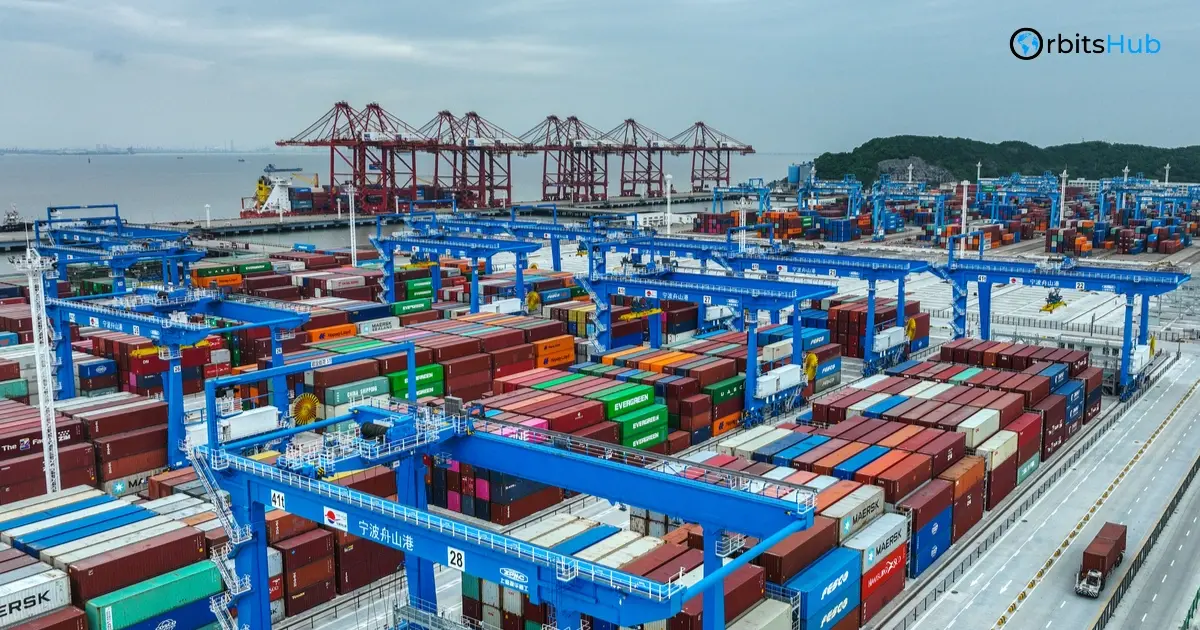
Zhoushan Port, strategically located in the eastern Zhejiang province of China, has rapidly developed into a vital hub for global maritime trade. As an integral part of the larger Ningbo-Zhoushan Port complex, it has established itself as a cornerstone of China’s naval strategy. This port plays a significant role in international shipping, facilitating trade and commerce within China and across the globe.
Recent developments and statistics
Record-Breaking Performance
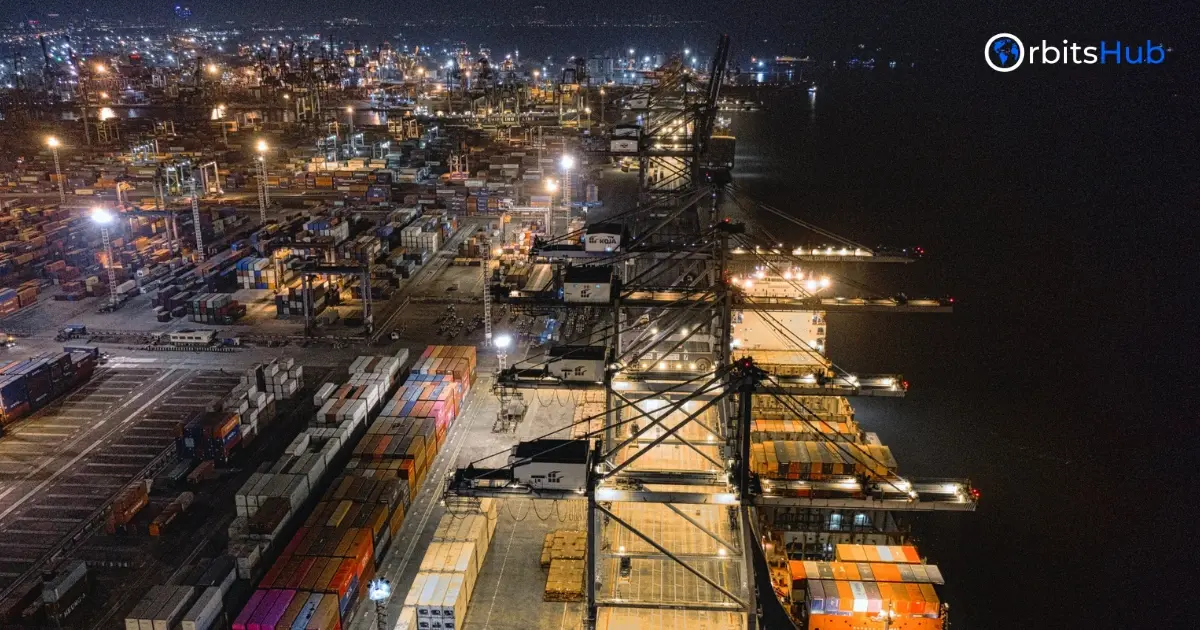
- Container Volume Growth: In the first half of 2024, Ningbo-Zhoushan Port achieved remarkable success by handling an impressive 19.17 million TEUs (twenty-foot equivalent units). This achievement, representing an 8.4% increase compared to the same period last year, clearly showcases the port’s growing capacity and efficiency in managing container traffic.
- Cargo Throughput: Furthermore, the port processed a staggering 708 million tons of cargo during this timeframe, reflecting a 4.2% growth over the previous year. Such an increase in cargo throughput emphasizes the port’s ability to accommodate rising demand and its critical role in the global supply chain.
- Global Ranking: As a result, Ningbo-Zhoushan Port continues to hold its position as the world’s third-largest container port, highlighting its strategic importance and operational capabilities in the maritime industry.
Expanding International Reach
- New Services: In early 2024, the port launched three new international trading services, further enhancing its global connectivity and offering more options for shipping companies and traders.
- Sea-River Combined Services: The number of sea-river combined services has increased to 33 routes, significantly improving inland connectivity. This expansion allows for more efficient transportation of goods from the port to various inland destinations, making it easier for businesses to access international markets.
- Strategic Partnerships: A recent agreement with DP World aims to strengthen logistics and shipping routes between Jebel Ali Port in Dubai and Ningbo-Zhoushan Port. We expect this partnership to enhance trade flows and improve the efficiency of shipping operations between these critical locations.
Key features and advantages
Strategic Location
- “The Silk Road Economic Belt and the 21st Century Maritime Silk Road strategically intersect at Zhoushan Port. Consequently, this prime location allows it to serve as a crucial link in the global trade network, facilitating the movement of goods between Asia and other regions.
- Moreover, the Yangtze River Delta region, renowned for its robust industrial base and high economic activity, economically supports the port. This close proximity to a significant financial hub further enhances the port’s importance in international trade.”
World-Class Infrastructure
- The port boasts over 200 berths capable of accommodating vessels weighing 10,000 tons and above. This extensive infrastructure allows for efficient cargo loading and unloading, reducing ship turnaround times.
- Additionally, the port has designed more than 120 large and extra-large deep-water berths for vessels weighing 50,000 tons and above. This capacity enables the port to handle larger ships, which are increasingly common in global shipping.
- The main channels in the core port area are over 22.5 meters deep, allowing for the accommodation of 300,000 tonnage vessels. This depth is crucial for maintaining the port’s competitiveness in the global market.
Impressive Connectivity
- Zhoushan Port features 122 shipping routes that connect China with various countries along the Belt and Road Initiative. This extensive network facilitates trade and strengthens economic ties between China and its partners.
- The port also offers 14 maritime shipping routes to Central and Eastern Europe, providing vital links for trade with these regions.
- Furthermore, 23 sea-rail intermodal train routes cover 63 prefecture-level cities across 16 Chinese provinces. This intermodal connectivity enhances the efficiency of logistics and transportation, making it easier for goods to reach their final destinations.
Technological Advancements
Smart Port Initiatives
- The port has implemented several innovative port initiatives, including using uncrewed container trucks. These innovations streamline operations and lower labor costs.
- Additionally, the introduction of remotely controlled automated gantry and bridge cranes has significantly improved operational efficiency and safety in cargo handling.
Green and low-carbon transformation
- “Zhoushan Port notably demonstrates its commitment to sustainability by implementing photovoltaic technology for solar power generation. In doing so, this initiative helps reduce the port’s carbon footprint and reliance on fossil fuels.
- Furthermore, the port has achieved 100% shoreside power coverage, providing clean energy to berthed ships. This proactive and environmentally friendly approach aligns with global efforts to promote green shipping practices.”
Historical developments and economic impacts

Early Beginnings
Zhoushan Port’s history dates back to serving as a small fishing harbor. However, its transformation into a significant international port began in the late 20th century.
- The 1980s: The Chinese government recognized the potential of Zhoushan’s natural deep-water harbor and began investing in port infrastructure.
- The 1990s: saw a rapid expansion of facilities and the commencement of the construction of modern container terminals.
- 2000s: Integration with nearby Ningbo Port, forming the Ningbo-Zhoushan Port complex, significantly boosted its capacity and global standing.
Economic Catalyst
The development of Zhoushan Port has had a profound impact on the local and national economies.
- Job Creation: The port directly employs tens of thousands of workers and indirectly supports hundreds of thousands of jobs in related industries.
- Industrial Development: A world-class port has attracted numerous manufacturing and logistics companies to the region, creating a thriving industrial ecosystem.
- Foreign Investment: The port’s efficiency and connectivity have made the Zhoushan area attractive to foreign investors, increasing their direct investment.
- GDP Growth: The port contributes significantly to the GDP of Zhejiang province and plays a crucial role in China’s export-driven economic model.
Integration with the Free Trade Zone
In 2017, the Chinese government established the Zhoushan Free Trade Zone, further enhancing the port’s economic significance.
Policy Advantages
Notably, the free trade zone offers preferential policies for businesses, including tax incentives and simplified customs procedures. These policies provide a supportive environment for enterprises looking to expand in the region.
Financial Innovation
Moreover, the zone encourages greater economic liberalization, allowing for easier cross-border transactions and the establishment of offshore financial services. In doing so, it opens new financial pathways for businesses.
Industry Clustering
As a result, the free trade zone has attracted clusters of industries, particularly in marine equipment manufacturing, offshore engineering, and maritime services, fostering collaboration and innovation within these sectors.
Operational excellence and efficiency
Advanced Port Management Systems
Zhoushan Port employs state-of-the-art management systems to ensure smooth operations:
- Integrated Information Platform: A centralized digital platform connects all stakeholders, including shipping lines, customs, and logistics providers, enabling real-time information sharing and decision-making.
- Automated Terminal Operations: Using artificial intelligence and machine learning algorithms optimizes container stacking, vessel berthing, and cargo handling processes.
- Predictive Maintenance: IoT sensors and data analytics predict equipment failures before they occur, minimizing downtime and improving overall efficiency.
Streamlined Customs Procedures
The port has implemented several measures to expedite customs clearance:
- Single Window System: A one-stop platform for submitting all trade-related documents reduces paperwork and processing time.
- Advanced algorithms in the Risk Management System evaluate the risk level of incoming shipments, expediting the clearance of low-risk cargo.
- 24/7 Customs Service: Around-the-clock customs operations guarantee cargo clearance at any time, minimizing delays and enhancing turnaround times.
Multimodal Transportation Hub
Being a multimodal transportation hub further enhances Zhoushan Port’s efficiency.
- Sea-Rail Integration: Direct rail connections from the port to inland cities reduce transportation costs and time for cargo destined for or originating from China’s interior.
- River-Sea Combined Transport: Utilizing the extensive network of inland waterways, smaller vessels can directly connect with ocean-going ships at Zhoushan, optimizing the transportation of goods from inland factories to international markets.
- Air-Sea Linkages: Collaboration with nearby airports facilitates rapidly transferring high-value and time-sensitive cargo between air and sea transport modes.
Environmental Sustainability Initiatives
Emissions Reduction Efforts
Zhoushan Port has implemented several measures to reduce its environmental impact:
- Clean Energy Adoption: In addition to shore power, the port invests in hydrogen fuel cell technology for port vehicles and equipment.
- The Vessel Speed Reduction Program encourages ships to slow down as they approach the port, thereby significantly reducing fuel consumption and emissions.
- Air Quality Monitoring: A network of sensors throughout the port area continuously monitors the air quality, enabling real-time adjustments to port operations to reduce pollution.
Marine Ecosystem Protection
The port authority has taken steps to protect the surrounding marine environment:
- Ballast Water Management: Strict regulations and advanced treatment systems prevent the introduction of invasive species into ships’ ballast water.
- Oil Spill Prevention and Response: State-of-the-art equipment and regular drills ensure rapid response to potential oil spills.
- Habitat Restoration: The port has invested in restoring coastal wetlands and creating artificial reefs to support local marine life.
Circular Economy Initiatives
Zhoushan Port is pioneering circular economy practices in the maritime industry.
- In terms of waste recycling, advanced waste sorting and recycling facilities efficiently process ship-generated and port operational waste.
- Furthermore, water recycling initiatives, including rainwater harvesting and wastewater treatment systems, significantly reduce the port’s freshwater consumption.
- Moreover, sustainable construction practices, such as using recycled materials and green building techniques in port infrastructure projects, help to minimize the environmental impact.”
Future Outlook and Expansion Plans
Capacity Expansion
To meet growing demand, Zhoushan Port has ambitious expansion plans:
- New Terminal Construction: Plans are underway to build additional deep-water berths capable of handling the world’s largest container ships.
- Automated Container Terminals: Fully automated terminals will improve efficiency and lower operating costs in the future.
- Offshore Port Development: The port is exploring the construction of offshore terminals to accommodate ultra-large vessels without extensive dredging.
Digital Transformation
The port is investing heavily in digital technologies to maintain its competitive edge.
Enables real-time data transmission and supports autonomous vehicles and remote-controlled equipment.
Enhances supply chain transparency and streamlines trade finance processes.
Allows advanced simulation and optimization of port operations via a virtual replica.
Strategic partnerships and global expansion
Zhoushan Port is actively pursuing partnerships to expand its global influence.
- “Through the Belt and Road Initiatives, the port plays a crucial role in China’s Belt and Road Initiative, developing strategic alliances with ports along the maritime Silk Road.
- Moreover, investment in overseas ports is underway, as the port authority explores opportunities to invest in and operate terminals in other countries, extending its global reach.
- Additionally, collaboration with shipping alliances involves strengthening relationships with major alliances to secure long-term commitments and maintain stable cargo volumes.”**
Frequently Asked Questions
“As of 2024, remarkably, Zhoushan Port, as part of the Ningbo-Zhoushan Port Complex, handled 19.17 million TEUs in the first half of the year. This achievement suggests an annual capacity of around 38–40 million TEUs.
Zhoushan Port is implementing various environmental initiatives, such as shore power for ships and clean energy adoption. Additionally, it has introduced a vessel speed reduction program, advanced waste management systems, an marine ecosystem protection measures.