I. Where It’s Located and Why It Matters
The Denmark Strait is situated between the coasts of Greenland and Iceland in the upper North Atlantic and Arctic oceans. While not well known, it is one of the most important straits on Earth due to its extreme depth, vital role in ocean circulation, ecosystems, and human activity.
II. Plummeting Depths: The Deepest Strait on Earth
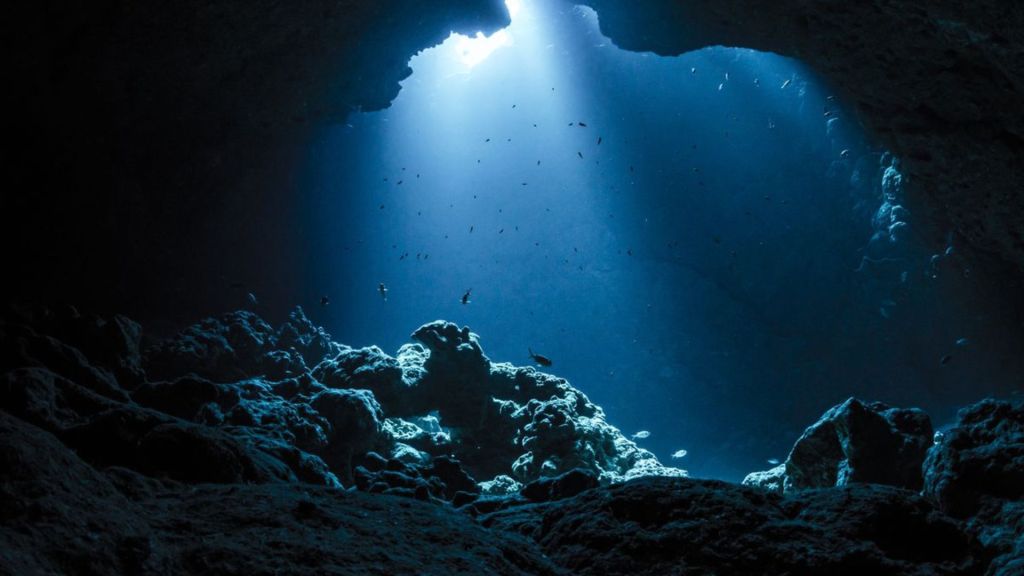
Plunging to depths over 17,000 feet (2.7 vertical miles) at its deepest point, the 560 mile-long Denmark Strait represents the deepest strait in the world. For perspective, this places its abyssal plain well below the height of Mount Kilimanjaro. The enormous pressures and frigid temperatures of these underwater trenches make for an incredibly harsh environment.
III. Frigid Waters Drive Global Conveyor Belt
The cold dense waters formed in the Arctic that sink down through Denmark Strait help power the Atlantic Meridional Overturning Circulation driving major ocean current flows. This global circulation system works as a conveyor belt for nutrients and oxygen supporting marine life across depths and latitudes – making it critically important to understand changes in the Strait related to climate change.
IV. Age of Exploration: Denmark’s Passage
First successfully traversed by Denmark’s Wilhelm August Graah in 1829, the strait received its name from Denmark’s territorial claims and explorations in the region. But for centuries prior, its iceberg-strewn waters guarded the Eastern approaches to the Northwest Passage, thwarting explorers seeking Arctic riches but finding tragedy.
V. gateway to the legendary Northwest Passage
Sought by fleets of European explorers as a lucrative northern sea route to Asia, the passage through the Denmark Strait promised access to the storied Northwest Passage above the Americas. Yet its perilous storms, deadly currents, and iceberg blockades doomed countless ships – crushing the dreams of fortune-seeking captains and crews.
VI. Migration Highway for Rare Arctic Whales
While extremely isolated, the Denmark Strait sees annual migration of unusual northern bottlenose whales, traveling to sub-arctic waters to feed. Their chosen habitat remains a mystery to researchers, but some attribute it to the plentiful squid drawn to the strait’s unusual conditions. However, shipping noise and climate change now threaten their numbers.
VII. Epicenter of Climate Change
The influx of warmer water from the Atlantic has begun eroding stability of the Greenland ice sheet where enormous glaciers meet the sea. Should the melting accelerate, the potential rise in sea levels could directly impact habitation across coastal regions worldwide. Scientists are working to model the future interplay of the Strait’s polar and Atlantic flows.
VIII. When the Strait Struck Back: The Great Salinity Anomaly
In the 1960s, an enormous pulse of less saline Arctic water flowed out through the strait for over a decade – creating major disruptions in the Atlantic current. This “Great Salinity Anomaly” wreaked havoc on global weather patterns and fisheries, providing scientists stark evidence of how changes in polar ocean straits can ripple down to affect the tropics through ocean circulation.
IX. Bridging Continents: Telecommunications Gateways
A feat of modern engineering has also conquered the harsh terrain of the strait: 4 separate fiber optic data cables currently run through these waters creating vital communication links connecting North America and Europe. Without these hidden informational lifelines stretching across the ocean floor, global digital commerce could seize up.
X. Harnessing Power from Extreme Tides
While treacherous, the Denmark Strait’s unique bathymetry combined with extreme tidal forces presents exciting possibilities for tidal power generation. Plans exist to attempt placing underwater turbines to harness reliable clean energy from the strait’s flow, which fluctuates 23 feet between high and low tide. Japan recently tested tidal turbines and may expand into extreme settings like the Strait.