1. The Andaman Sea’s Unique Geographical Position
The Andaman Sea is a very interesting place to visit. This is where the Indian Plate and the Eurasian Plate meet. This geological dance creates a dynamic underwater landscape, complete with trenches, ridges, and volcanic activity. The sea’s average depth is around 1,000 meters, but it plunges to over 4,000 meters in its deepest parts. This varied topography contributes to the sea’s rich ecosystem and influences regional climate patterns.
2. Rich Biodiversity Beneath the Waves
There is a lot of life in the Andaman Sea, which has some of the most diverse marine environments in the world. From microscopic plankton to massive whale sharks, the sea supports an incredible array of species.
• Coral Reefs: A Bustling Underwater Metropolis
The Andaman’s coral reefs are a riot of color and activity. These underwater cities house over 200 species of hard corals, providing shelter to thousands of fish species. The reefs’ intricate structures offer protection to juvenile fish, making them crucial nurseries for maintaining fish populations throughout the region.
• Marine Mammals: Giants of the Andaman
The Andaman Sea is home to several species of whales and dolphins. The enigmatic dugong, often called the “sea cow,” grazes on seagrass meadows in the shallower areas. These gentle giants, along with various whale species, remind us of the sea’s capacity to support large marine life.
3. The Sea’s Role in Ancient Trade Routes
The Andaman Sea was an important part of ancient maritime trade long before there were modern shipping lines. It served as a crucial link between India, Southeast Asia, and the Far East. Merchants braved its waters, carrying spices, textiles, and precious metals. The sea’s strategic position made it a hotspot for cultural exchange, influencing the development of civilizations along its shores.
4. Mysteries of the Andaman: Underwater Volcanoes
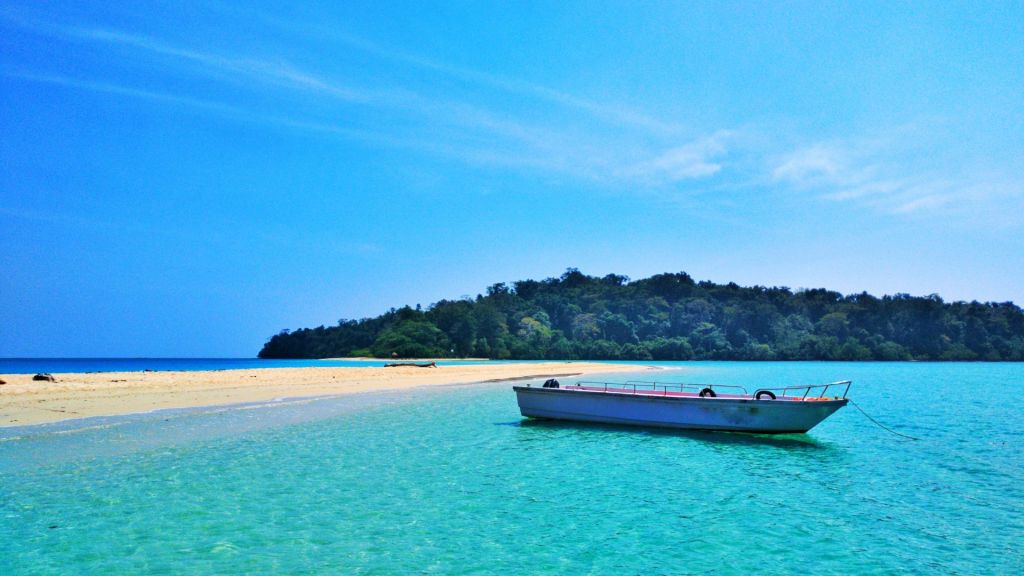
The Andaman Sea harbors a hidden world of underwater volcanoes. These submerged peaks, part of a volcanic arc, occasionally breach the surface, creating new islands. Barren Island, India’s only active volcano, rises from the depths of the Andaman Sea. Its periodic eruptions serve as a reminder of the powerful forces at work beneath the waves.
5. Climate Patterns and Monsoon Influence
The Andaman Sea plays a crucial role in regional climate patterns. It acts as a heat reservoir, influencing the strength and timing of the monsoons. The sea’s warm waters fuel the formation of tropical cyclones, which can have significant impacts on coastal communities. Understanding these climate dynamics is crucial for predicting weather patterns and preparing for potential natural disasters.
6. The Sea’s Impact on Local Cultures and Traditions
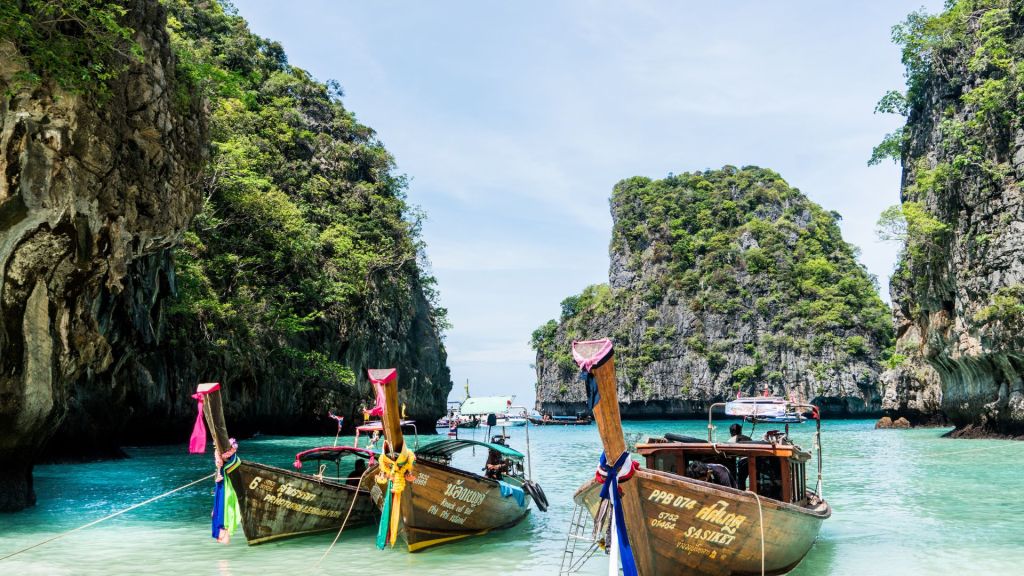
The Andaman Sea has shaped the cultures and traditions of the people living along its shores for millennia. From the indigenous tribes of the Andaman Islands to the coastal communities of Thailand and Myanmar, the sea is deeply woven into local folklore, religious practices, and daily life. Traditional fishing methods, boat-building techniques, and maritime customs reflect the intimate relationship between the people and the sea.
7. Fishing Industry: A Delicate Balance
The fishing business in the Andaman Sea is very successful, and millions of people in the area depend on it for their income. But there are some problems with this reward. Overfishing could kill off all the fish in the ocean, and destructive fishing methods hurt the communities that support fish. For countries bordering the Andaman Sea, finding a balance between economic needs and protecting the environment is still a very important problem.
8. Tourism’s Double-Edged Sword
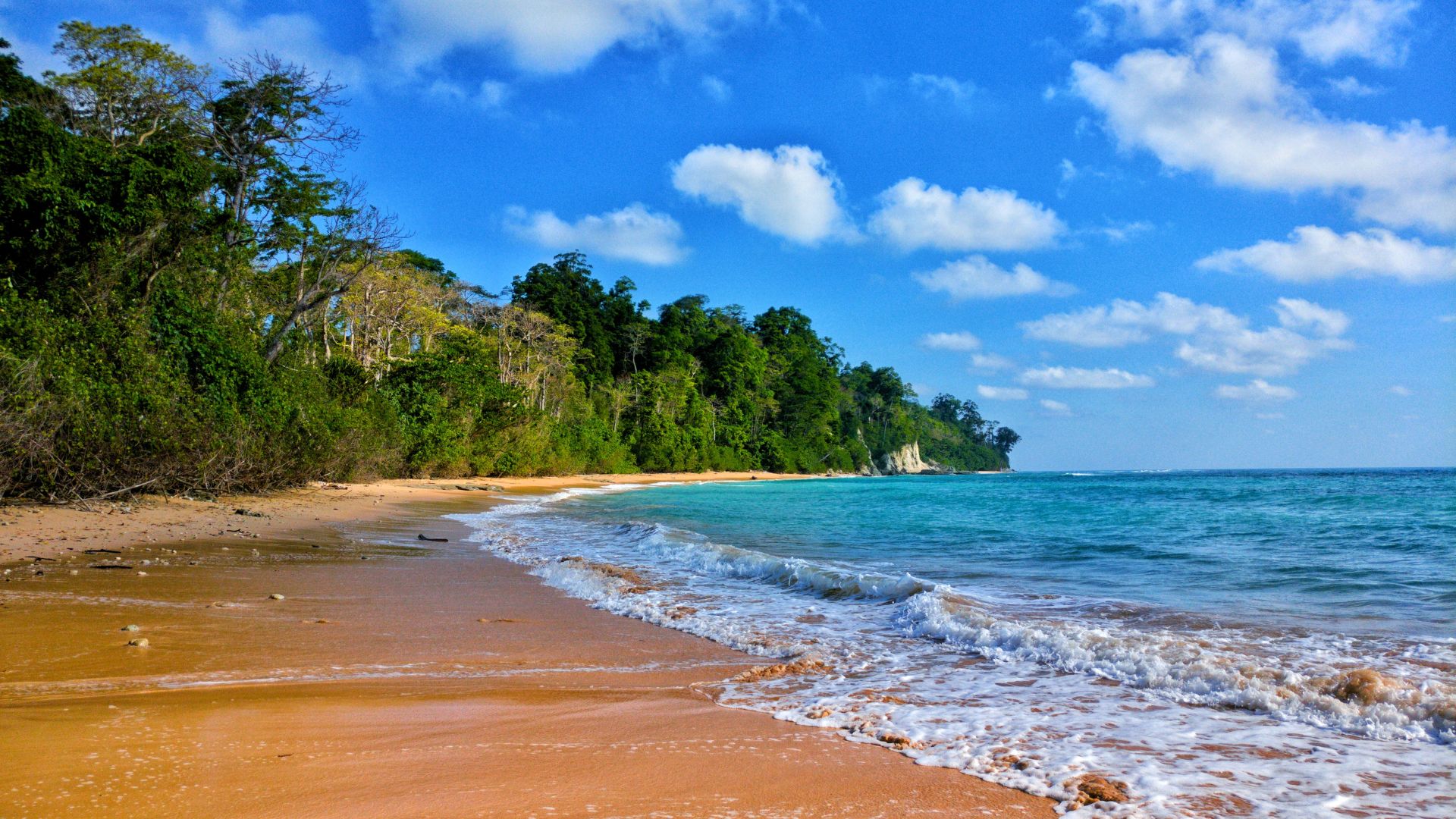
The Andaman Sea’s stunning beaches, crystal-clear waters, and vibrant marine life have made it a popular tourist destination. Local economies gain from tourism, but it also puts at risk the marine environment, which is already fragile. The sea’s delicate balance is in danger because of more boats, coral damage from snorkelers and dives, and pollution from new homes along the coast. Using eco-friendly tourist methods is important to protect the Andaman’s natural beauty for future generations.
9. Environmental Challenges Facing the Andaman Sea
Like many of the world’s oceans, the Andaman Sea faces numerous environmental challenges. Plastic pollution, ocean acidification, and rising sea temperatures due to climate change all pose significant threats to marine life. Coral bleaching events have become more frequent, jeopardizing the health of reef ecosystems. Addressing these issues requires coordinated efforts from all countries bordering the Andaman Sea.
10. Conservation Efforts: Protecting the Andaman’s Future

DThere is hope for the Andaman Sea, even though there are problems. To protect its unique ecosystems, conservation measures are already under way. Marine protected areas have been established, fishing regulations implemented, and research programs launched to better understand and preserve the sea’s biodiversity. Collaborative initiatives between governments, NGOs, and local communities aim to ensure the Andaman Sea remains a thriving marine environment for generations to come.
The Andaman Sea: A Treasure Worth Preserving
The Andaman Sea isn’t just a body of water; it’s an ecosystem that lives and breathes and is very important to the culture, business, and ecology of the area. From its hidden underwater volcanoes to its bustling coral reefs, the Andaman Sea continues to surprise and inspire. As we uncover more of its secrets, our responsibility to protect this maritime treasure grows. By understanding and appreciating the Andaman Sea’s unique characteristics, we can work together to ensure its wonders endure for future generations to marvel at and enjoy.