Geographical Location and Size
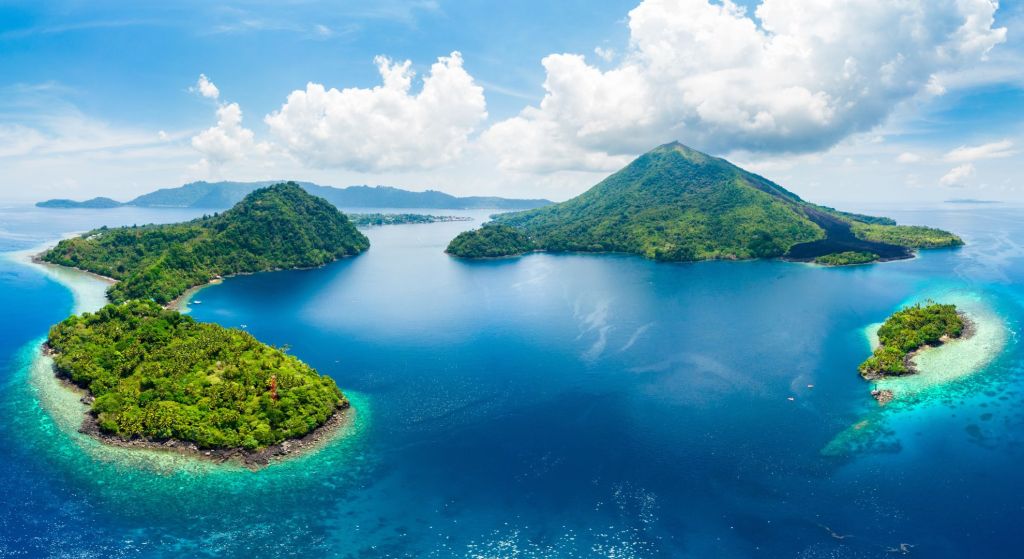
The Banda Sea, part of the western Pacific Ocean, is nestled in Southeast Asia and surrounded by the sprawling archipelago of Indonesia. It is bordered on the west by the large island of Sulawesi, the south by Timor, and the Moluccas – a chain of Indonesian islands- to the east and north. This vast sea spans approximately 470,000 square kilometres, stretching about 1,000 kilometres from east to west and 500 kilometres from north to south.
The Banda Sea’s Deepest Point
The Banda Sea’s deepest point is the Weber Deep, which plunges to an astonishing depth of more than 7,000 meters, making it one of the planet’s deepest bodies of water not located within a trench. This extraordinary depth is attributed to geological activities such as the Banda Slab rollback and the creation of a detachment fault known as the Banda Detachment.
Rich Biodiversity
The Banda Sea is a treasure trove of marine life, boasting over 1,000 species of fish and hundreds of coral species. Larger marine creatures such as manta rays, sharks, and several whale species inhabit these waters. Moreover, the surrounding islands provide varied depths and environments, making the sea suitable for both large and small animals.
Historical Significance
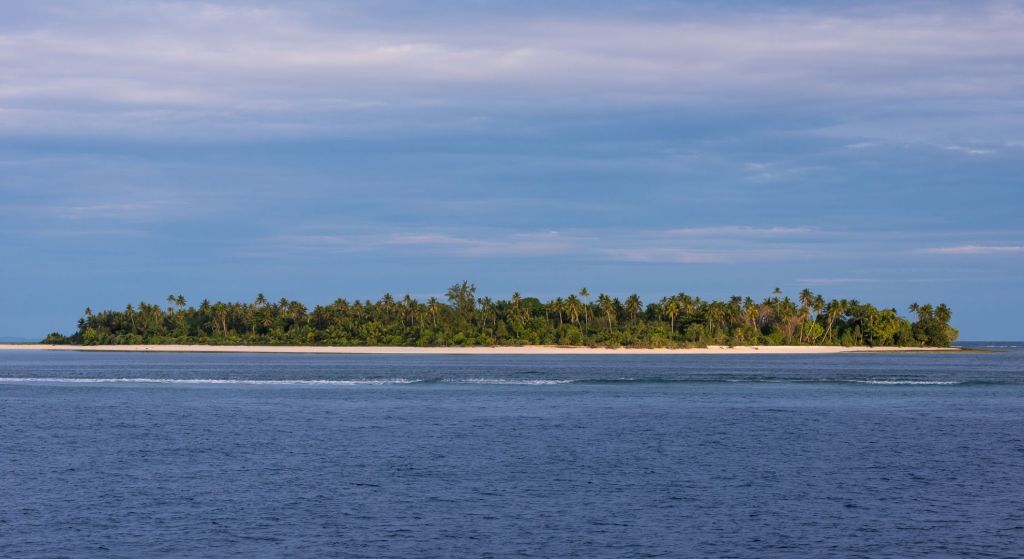
The Banda Islands, located within the Banda Sea, were once the only source of nutmeg and mace in the world. This made them a valuable commodity during the 16th and 17th centuries and a key center of the spice trade. There was a lot of bloodshed and exploitation since the Dutch East India Company monopolized the spice trade in the area.
Frequent Volcanic Eruptions & Earthquakes
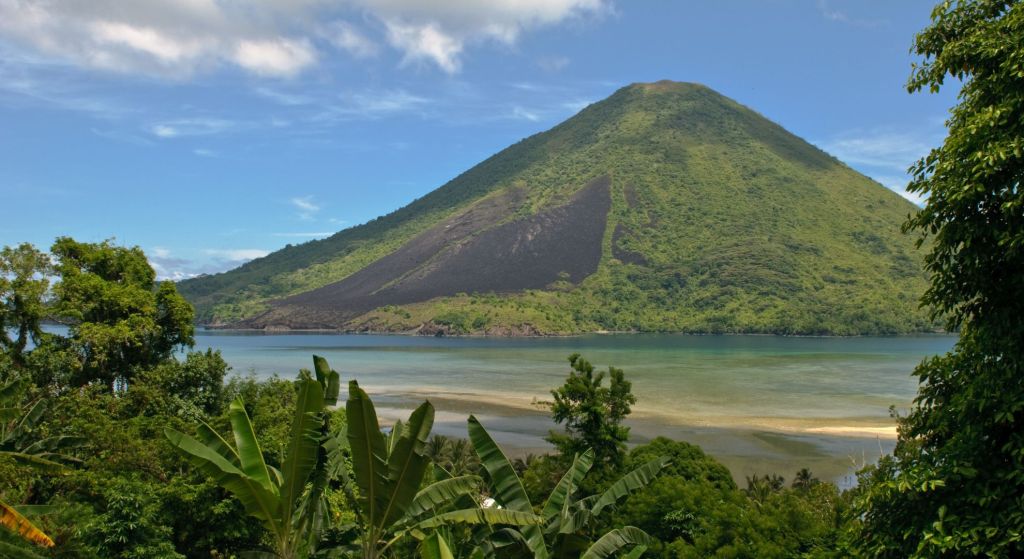
The Banda Sea is home to several active volcanoes, including the notorious Krakatoa. The region is part of the Pacific Ring of Fire, known for its high levels of volcanic and seismic activity. The volcanic activities contribute to the area’s unique geology and support a variety of ecosystems, including hydrothermal vent communities and deep-sea coral reefs.
Part of the Coral Triangle
The Banda Sea forms part of the Coral Triangle, a region of the western Pacific Ocean known for its remarkably high levels of marine biodiversity. Many marine species rely on this area as a home, and it is also home to the Indo-Pacific’s most diverse coral reef ecosystem.
Islands of Banda Sea
The Banda Sea is surrounded by several large islands, including Sulawesi, Seram, and Timor, along with the Banda Islands, a group of ten volcanic islands. Each island adds to the unique geographic and ecological setting that supports the high levels of biodiversity and geological activity in the Banda Sea region.
Home to Endangered Species
The Banda Sea hosts several rare and endangered species, including the Banda Sea dragonet, the bumphead parrotfish, the blue whale, the dugong, the hawksbill turtle, and the giant clam. The Banda Sea area and the world at large place a premium on the preservation of these species and the environments in which they live.
Historical Events
The Banda Sea was the site of several important historical events, including the Battle of Banda in 1609, a key conflict in the Dutch-Portuguese War. As a hub of cultural and biological variety, the area was pivotal in the rise of the global economy and the colonial period.
Popular Destination for Divers and Snorkelers
The Banda Sea is a popular destination for divers and snorkelers, thanks to its diverse marine life, crystal-clear waters, and stunning coral reefs. The region hosts several world-renowned dive sites, offering an incredible underwater adventure for both novice and experienced divers.
The Banda Sea offers an incredible mix of natural beauty, rich biodiversity, and historical significance. From its unique geology to its fascinating history and abundant marine life, this region truly has something for everyone. So, if you’re planning your next adventure, the Banda Sea might just be the perfect destination for you.