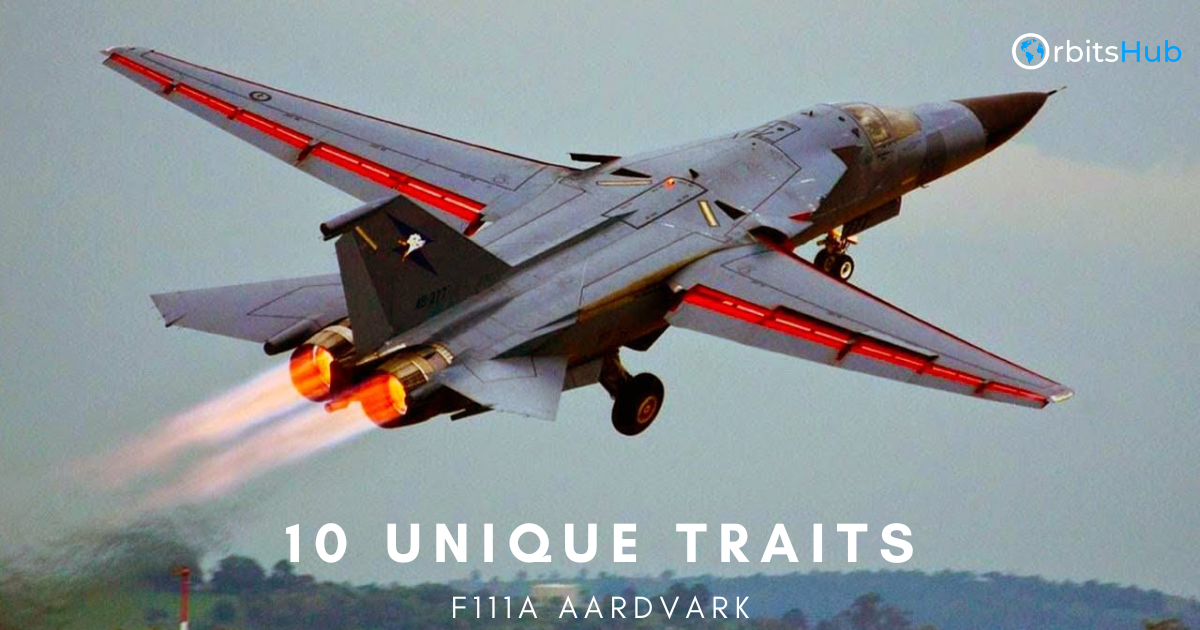
The F111A Aardvark is one of those aircraft that grabs your attention, not just for its sleek design but also for the unique qualities that set it apart from others. This aircraft isn’t just a piece of machinery; it’s a story of innovation, power, and sometimes, even controversy. Let’s dive into what makes the F111A Aardvark so unique.
Swing-Wing Design: A Game-Changer or a Gimmick?
The Purpose Behind the Swing-Wing
At first glance, the swing-wing design might seem flashy, but there’s more to it than meets the eye. Was this innovation a true game-changer or just an engineering gimmick? The reason behind its creation is more surprising than you might think: it was designed to give the F111A an edge in ways that weren’t immediately obvious to its critics.
How the Swing-Wing Works
Imagine being able to change your strategy mid-flight—switching from a stealthy approach to a high-speed chase with just a shift in wing angle. The swing-wing design wasn’t just about speed; it was about adaptability. But did it work as well as intended? The mechanics behind this design reveal secrets that many didn’t anticipate.
Terrain-Following Radar
Technology Ahead of Its Time
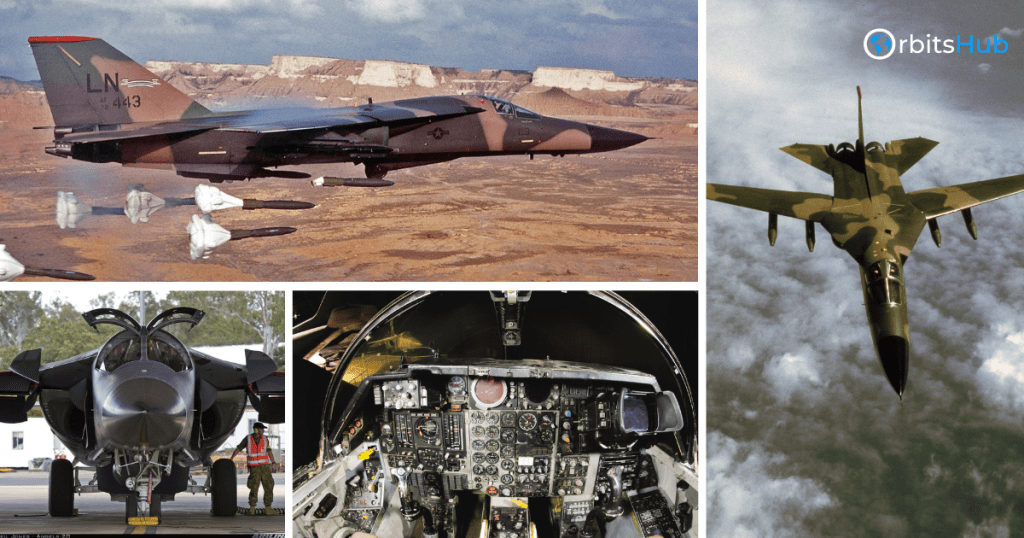
The terrain-following radar allowed the F111A to navigate challenging environments by automatically adjusting its altitude, following the earth’s contours. This technology was groundbreaking then and gave the aircraft a significant tactical advantage.
Why Terrain-Following Was Essential
Flying low meant the F111A could avoid enemy radar detection. This ability to “hug” the ground was crucial during missions where stealth was necessary, allowing the aircraft to strike targets without being easily detected.
Versatility in Missions: The Secret Behind Its Many Roles
Multiple Roles in Combat
The F111A wasn’t designed to be just another fighter jet—it was intended to be a master of all trades. But how did it manage to excel in so many different roles? The answer lies in its unique shape and surprising adaptability, which let it switch between tasks like bombing runs, surveillance, and more. What made this possible, and why was the F111A chosen over other aircraft for these varied missions?
Examples of Versatile Deployments
The F111A was called upon throughout its service when other aircraft couldn’t deliver. But what were these situations, and why was the F111A the go-to choice? The stories of its deployments are filled with unexpected twists, where this aircraft proved itself in ways no one saw coming.
Speed and Range
Performance Metrics
The F111A Aardvark boasted impressive speed and range, enabling it to strike distant targets precisely. Its long-range capability made it an effective tool for deep-penetration strikes, often beyond the reach of conventional aircraft.
Strategic Importance of Speed
In military operations, speed can mean the difference between success and failure. The F111A’s ability to reach high speeds ensured it could engage and disengage from targets swiftly, reducing exposure to enemy defences.
Crew Escape Module
How It Worked
The crew escape module was a safety innovation that set the F111A apart. Instead of individual ejection seats, the entire cockpit could detach from the aircraft, providing enhanced crew protection during emergencies.
Real-Life Incidents
There were instances where the crew escape module was used in real-life situations, saving pilots’ lives in difficult conditions. These stories underscore the importance of this feature.
Innovative Avionics
Digital Flight Control Systems
The F111A Aardvark was one of the first aircraft to incorporate digital flight control systems, which provided pilots with more precise control and improved the aircraft’s overall handling, especially during complex manoeuvres.
Impact on Future Aircraft
The advancements in avionics seen in the F111A paved the way for future developments in military aviation. Many of the systems used in the F111A were precursors to the technologies found in modern aircraft today.
Strategic Bombing Capability
Payload Capacity
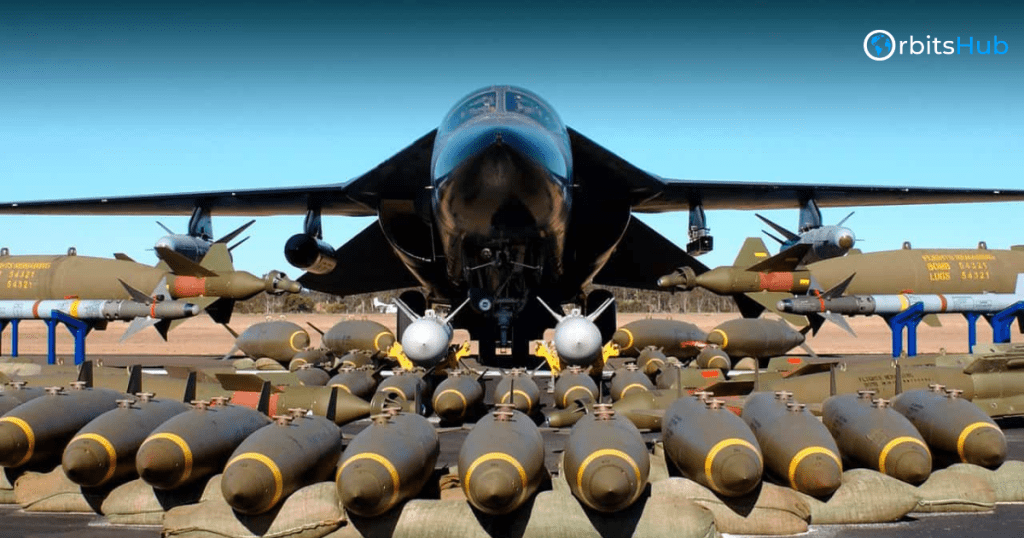
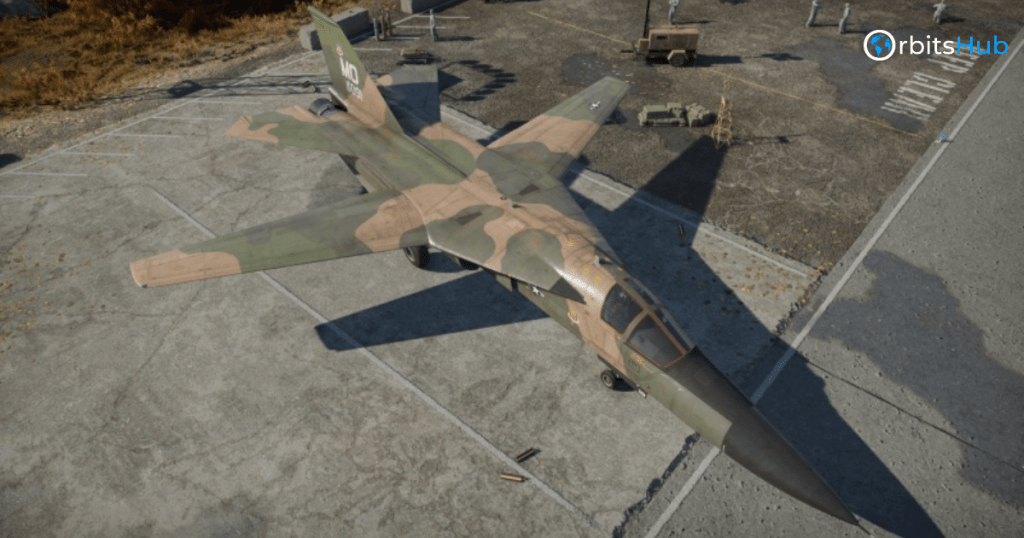
The F111A was designed to carry a significant payload, making it an ideal choice for strategic bombing missions. Its ability to deliver a large number of bombs accurately made it a formidable tool in warfare.
Examples of Strategic Missions
The F111A participated in several strategic bombing missions where its payload capacity and precision targeting were tested. These missions highlight the aircraft’s critical role in military operations.
Development Controversies: The Drama Behind the Aardvark
Budget and Delays
The development of the F111A could have been smoother sailing. From budget blowouts to delays that threatened to sink the entire project, the Aardvark’s journey to the skies was anything but straightforward. But what were the real reasons behind these issues, and how close did the project come to being scrapped altogether? The drama behind its creation is a story of perseverance against all odds.
Public and Military Response
When the F111A finally took flight, it wasn’t just the aircraft that was on trial—it was the reputation of everyone involved in its creation. The public and military response was mixed, but why? What were the controversies that sparked heated debates and nearly derailed the project? The truth behind these reactions reveals a lot about the challenges faced during its development.
Operational Legacy
Impact on Future Aircraft Design
The F111A left a lasting legacy in the world of aviation. Its design influenced many future aircraft, and its operational history is studied even today as a case study in military aviation.
Memorable Missions
The F111A participated in several critical military operations that solidified its reputation. These missions are remembered for their outcomes and the role the F111A played in their success.
Cultural Impact
Representation in Media
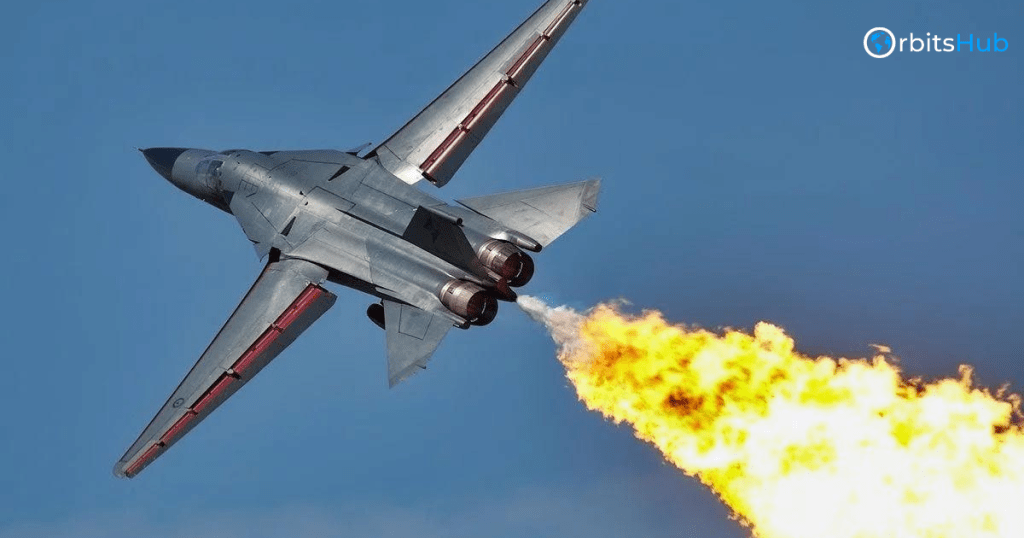
The F111A Aardvark has appeared in various forms of media, including movies, documentaries, and even art. Its iconic design and history have made it a symbol of military innovation.
Public Perception
Over the years, the F111A has become more than just an aircraft; it’s a part of popular culture. Its story has captivated people worldwide, making it a well-known figure in aviation and military history.
FAQs About the F-111 Aardvark
The swing-wing design allows the F-111A to adapt its wing configuration for various flight conditions, enhancing its speed and maneuverability.
The terrain-following radar enables the F-111A to maintain a low altitude while adjusting to the terrain, improving stealth and avoiding radar detection.
The F-111A was designed for multiple roles, including bombing, reconnaissance, and strike missions, making it a versatile asset in combat.
Yes, the swing-wing design proved effective in providing flexibility and adaptability, allowing the aircraft to perform well in various operational scenarios.
The F-111A’s combination of advanced technologies, such as the swing-wing and terrain-following radar, along with its versatility, set it apart from other aircraft.