Port of Havana
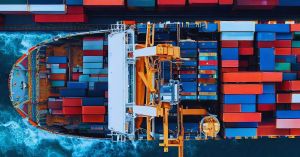
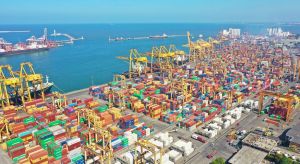
The Port of Havana, also known as La Habana or Habana, is the principal port of Cuba and has been a vital hub for over 500 years. Because it is on the northern side of the country, it is a great place for cargo to change hands between North and South America, as well as between Europe and the Americas. The port is split into three sections and is in a bay with good protection.
History
The Port of Havana, located in Cuba’s capital, has a rich maritime history dating back to the early 16th century. Founded by Spanish explorers in 1519, it quickly became a vital hub for trade in the Caribbean. Its strategic location made it a central point for Spanish galleons transporting precious metals from the New World to Spain. Over the centuries, the port has been a focal point for colonial conflicts, trade expansions, and economic growth. Despite various challenges, including the impacts of World War II and the Cuban Revolution, the Port of Havana has continually adapted and evolved, maintaining its significance in regional and global maritime activities.
Infrastructure
The Port of Havana boasts a comprehensive infrastructure designed to accommodate a wide range of maritime activities. It features several key terminals, including those for cargo, cruise ships, and naval vessels. The harbor is equipped with modern docking facilities, cranes, and warehouses to handle diverse cargo types, from bulk goods to containers. Additionally, the port is supported by an extensive network of road and rail connections that facilitate efficient transport of goods to and from the interior of Cuba. Recent upgrades have focused on enhancing the port’s capacity and modernization to better serve international shipping and tourism needs.
Key Features
- Strategic Location: The Port of Havana’s position at the entrance to the Gulf of Mexico makes it a crucial gateway for maritime trade routes between North and South America.
- Cruise Terminal: As a popular destination for cruise ships, the port features a dedicated cruise terminal that caters to tourists with modern amenities and easy access to Havana’s cultural attractions.
- Economic Significance: The port is a major economic driver for Cuba, handling a significant portion of the country’s imports and exports. Its facilities support diverse industries, including agriculture, manufacturing, and tourism.
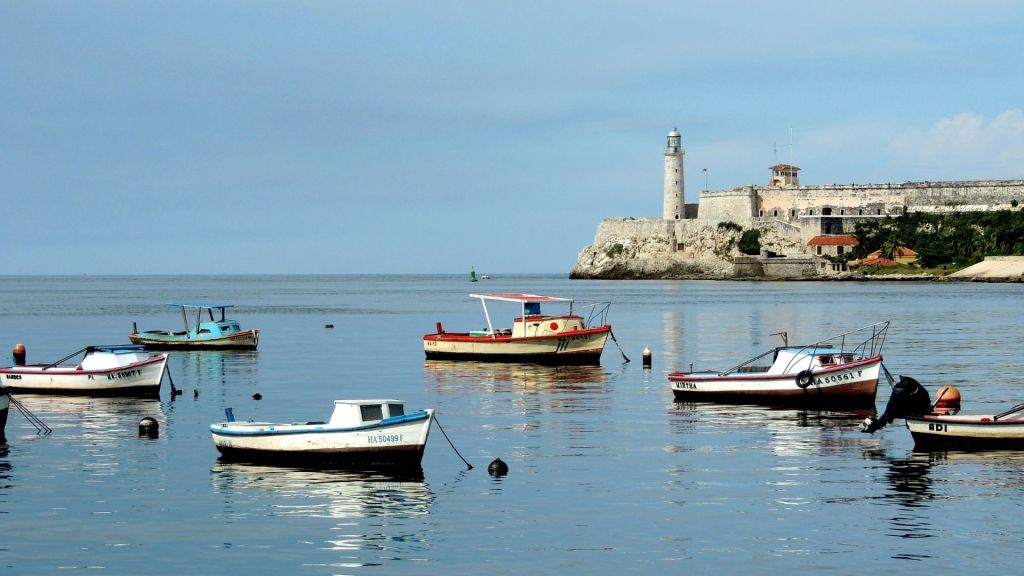
- Historical Landmarks: The port area is rich with historical landmarks, including colonial-era fortifications like El Castillo del Morro, which add cultural and historical value to its maritime operations.
- Ongoing Developments: Recently made investments and new developments are meant to make the port bigger and more up-to-date so it can handle bigger ships and more trade.
Port of Santiago de Cuba
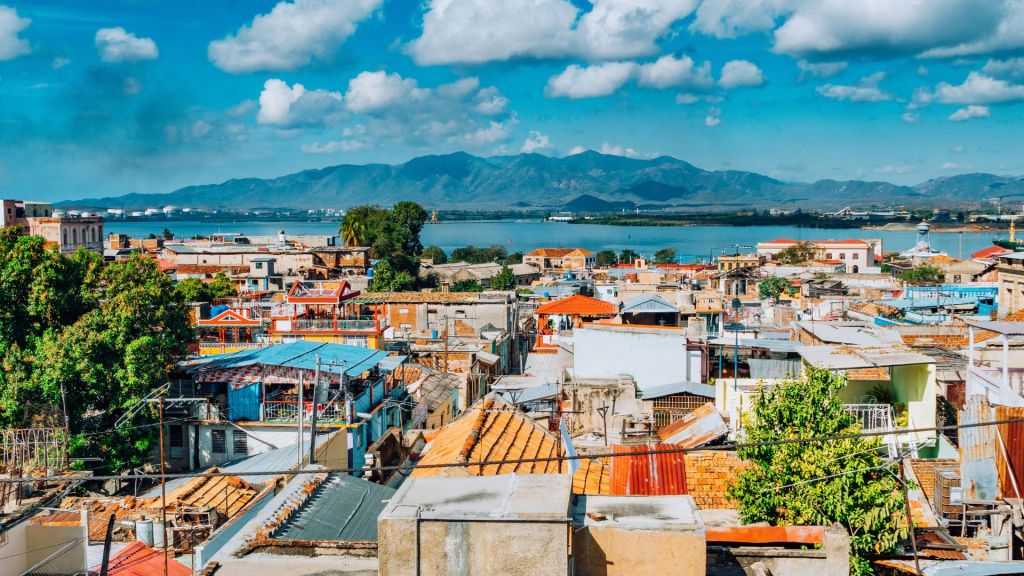
Situated on the southeastern coast of Cuba, the Port of Santiago de Cuba is the second-largest city in the country and serves as a vital seaport. It features a bay linked to the Caribbean Sea, making it an important hub for trade and commerce.
History
The Port of Santiago de Cuba, situated on the southeastern coast of the island, has played a significant role in Cuba’s maritime history. Established in the early 16th century, it became one of the island’s most important ports due to its strategic location and natural harbor. The port has witnessed numerous historical events, including the arrival of the Spanish conquistadors and various colonial conflicts. Over the centuries, it has been a focal point for trade, particularly in the export of Cuban sugar and tobacco. The Port of Santiago de Cuba has also been pivotal during revolutionary periods, including the Cuban Revolution, where it served as a key logistical hub.
Infrastructure
The Port of Santiago de Cuba is equipped with infrastructure designed to support a wide range of maritime and commercial activities. The port features multiple terminals that handle both cargo and passenger traffic. It includes modern docking facilities capable of accommodating various types of vessels, including container ships and cruise liners. The port is supported by an extensive network of roads and rail connections that facilitate the efficient movement of goods throughout eastern Cuba. Recent upgrades have focused on enhancing cargo handling capabilities and improving facilities to better serve both commercial and tourist traffic.
Key Features
- Natural Harbor: The Port of Santiago de Cuba benefits from a natural deep-water harbor, which provides safe anchorage and easy access for large vessels.
- Cargo and Cruise Facilities: The port supports diverse maritime activities with dedicated terminals for cargo handling and cruise ship operations, catering to both commercial shipping and tourism.
- Economic Impact: It is one of Cuba’s most important ports and a key part of the regional economy, helping businesses like farming, mining, and tourism by bringing in and sending out goods.
- Cultural Significance: Located near the historic city of Santiago de Cuba, the port area is rich in cultural heritage, with easy access to landmarks such as the Castillo del Morro and the vibrant cultural scene of Santiago.
- Development Projects: Ongoing development projects aim to modernize the port’s facilities, increase its capacity, and enhance its ability to handle larger vessels and a higher volume of trade.
Port of Mariel

The Port of Mariel is located in the northwest of Cuba, approximately 40 kilometers west of Havana. It is one of the closest ports to the United States and serves as a crucial transshipment hub for maritime trade in the region.
History
The Port of Mariel, located on the northern coast of Cuba, has a relatively recent history compared to other Cuban ports, with its development starting in the late 20th century. Officially opened in 2013, the port was conceived as a major infrastructure project aimed at boosting Cuba’s economic development. The port’s establishment marked a significant shift towards modernizing Cuba’s maritime capabilities and enhancing its trade relationships. It was designed to handle large container ships and facilitate increased international trade, making it a cornerstone of Cuba’s economic reform strategy.
Infrastructure
Modern equipment has been built into the Port of Mariel so that it can handle a lot of cargo and big ships. It features deep-water berths capable of accommodating Panamax and Post-Panamax container ships, making it one of the most advanced ports in Cuba. The port includes extensive cargo handling facilities, including modern cranes and container yards, which support efficient loading and unloading operations. Additionally, the port is integrated into an industrial zone, which provides logistical support and enhances its economic impact. The port is connected to major transport networks, including highways and railways, facilitating the movement of goods to and from various regions.
Key Features
- Modern Design: The Port of Mariel features cutting-edge design and technology, including deep-water berths and advanced cargo handling systems, positioning it as a key player in Cuba’s maritime sector.
- Economic Zone: Adjacent to the port is the Mariel Special Economic Zone, which is designed to attract foreign investment and foster economic growth through various incentives and infrastructure improvements.
- Large Vessel Capacity: The port’s facilities are capable of handling large container ships, including Post-Panamax vessels, which enhances its competitiveness in global trade.
- Strategic Importance: The Port of Mariel serves as a major gateway for international trade, contributing significantly to Cuba’s efforts to expand its global trade network and economic development.
- Sustainable Practices: The port incorporates modern, sustainable practices in its operations and infrastructure development, aligning with global standards for environmental responsibility.
Port of Manzanillo

Located in the Granma province on the Gulf of Guacanayabo, the Port of Manzanillo serves as an important hub for various industries, including agriculture and manufacturing.
History
The Port of Manzanillo, located on the southeastern coast of Cuba, has a significant historical background rooted in its early colonial days. It was built in the early 1800s and was an important trade hub for the area, moving goods like sugar, tobacco, and other agricultural products. Over the years, the port has evolved alongside Cuba’s economic and political changes, adapting to shifts in trade patterns and technological advancements. Its history reflects the broader economic trends and developmental milestones of Cuba, making it an important site for both historical and contemporary maritime activities.
Infrastructure
The Port of Manzanillo is equipped with facilities that cater to a variety of maritime needs. The port features several key components including cargo terminals, container handling areas, and storage facilities. It has modern docking infrastructure that supports various types of vessels, from cargo ships to bulk carriers. The port is connected to local transport networks, including roads and railways, which facilitate the efficient movement of goods to and from the port. Recent developments have focused on enhancing its cargo handling capacity and improving overall operational efficiency.
Key Features
Strategic Location: The Port of Manzanillo is strategically situated on Cuba’s southeastern coast, making it a key gateway for trade in the eastern part of the island and a vital link in regional maritime routes.
Versatile Facilities: The port supports a range of maritime activities with its versatile facilities, including bulk cargo handling, container services, and specialized storage options.
Economic Role: As a significant port in Cuba’s eastern region, it plays a crucial role in supporting local industries such as agriculture and manufacturing through the import and export of goods.
Development Initiatives: Ongoing efforts to modernize the port include upgrading cargo handling equipment and expanding storage facilities to enhance its capacity and efficiency.
Cultural and Economic Impact: The port’s location near the city of Manzanillo adds cultural and economic value, contributing to the region’s growth and providing access to local markets and historical sites.
The five main ports in Cuba—the Port of Havana, the Port of Santiago de Cuba, the Port of Matanzas, the Port of Mariel, and the Port of Manzanillo—are very important for trade and business in the area. These ports serve as gateways for imports and exports, connecting Cuba to the global market. With their strategic locations, extensive infrastructure, and efficient operations, these ports contribute significantly to the economic growth and development of Cuba.