In a visionary move to address potential emergencies in the Red Sea region, Sri Lanka has taken significant steps to boost the efficiency of the Colombo Port. This strategic measure aims to fortify Sri Lanka’s position as an essential trading hub while ensuring swift response capabilities in times of crisis.
Importance of efficient port operations for emergency response
Efficient port operations are critical in emergency response, especially in regions like the Red Sea, where unforeseen circumstances can arise. The Colombo Port’s location along major international shipping routes makes it a crucial gateway for global maritime trade. In an emergency, such as natural disasters, political unrest, or security threats, the ability to quickly and effectively respond becomes paramount.
Challenges faced by the Colombo Port in addressing emergencies
Despite its strategic location and importance as a trading hub, the Colombo Port has faced several challenges in addressing emergencies. Outdated infrastructure, limited technological capabilities, and coordination issues have hindered the port’s ability to respond swiftly and efficiently. In light of these difficulties, Sri Lanka has set out to improve the Colombo Port’s efficiency.
Initiatives taken by Sri Lanka to boost Colombo Port efficiency.
Recognizing the need for seamless operations and enhanced emergency preparedness, Sri Lanka has prioritized the modernization of the Colombo Port. Several key initiatives have been undertaken to improve efficiency and ensure the port’s readiness for unforeseen circumstances.
Upgrading port infrastructure and facilities
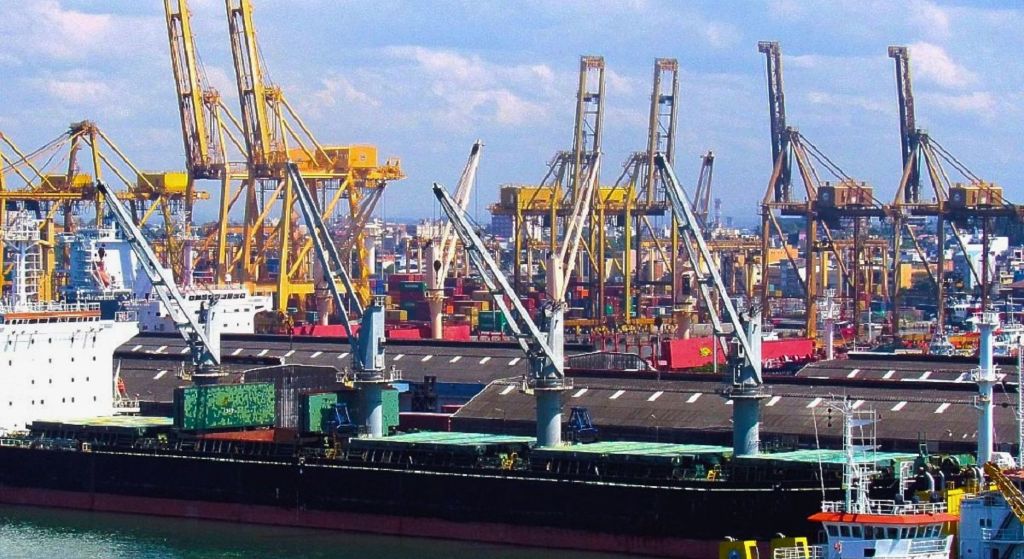
One of the crucial aspects of improving port efficiency is the upgrading of infrastructure and facilities. Sri Lanka has invested significantly in expanding and modernizing the Colombo Port to accommodate larger vessels and increase capacity. This includes dredging operations to deepen the port’s channels, constructing new terminals, and developing dedicated emergency response areas.
Implementing advanced technologies for port operations
Technology plays a pivotal role in optimizing port operations. Sri Lanka has made substantial efforts to implement advanced technologies at the Colombo Port. This includes using automation, artificial intelligence, and data analytics to streamline processes, improve cargo handling efficiency, and enhance security measures. These technological advancements enable faster turnaround times and provide real-time monitoring and response capabilities in case of emergencies.
Enhancing port management and coordination
Efficient port management and coordination are crucial for seamless operations and emergency response. Sri Lanka has focused on strengthening the management and coordination mechanisms at the Colombo Port. Examples include:
- Improving communication channels between parties.
- Creating standardized operating procedures.
- Forming specialized emergency response teams.
Training and capacity-building programs for port personnel
An efficient port requires skilled personnel to handle emergencies and adapt to evolving technologies. Sri Lanka has implemented comprehensive training and capacity-building programs for port personnel. This includes specialized training in emergency response, advanced port operations, and the use of modern technologies. By investing in human capital, Sri Lanka ensures that the Colombo Port is staffed with competent professionals capable of handling any situation efficiently.
Results and impact of the efficiency improvement measures
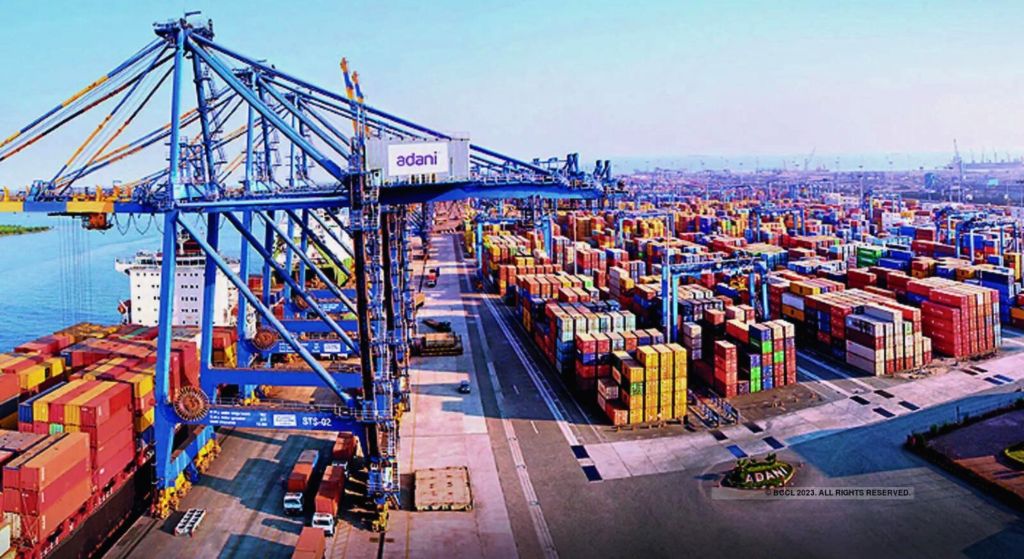
The efforts to enhance the efficiency of the Colombo Port have yielded significant results and made a tangible impact on Sri Lanka’s maritime trade landscape. The upgraded infrastructure and facilities have attracted more shipping companies, increasing trade volumes and cargo handling capacity. The total client experience has been improved, turnaround times have been reduced, and operational efficiency has been increased by implementing new technologies. Moreover, the improved emergency preparedness measures have instilled confidence among stakeholders, making the Colombo Port a preferred choice for global maritime trade.
Prospects for the Colombo Port
The initiatives taken by Sri Lanka to boost the efficiency of the Colombo Port have positioned it as a future-ready port capable of handling any unforeseen circumstances. The improved infrastructure, advanced technologies, and enhanced coordination mechanisms have strengthened the port’s ability to respond to emergencies and positioned Sri Lanka as a reliable trading partner. As Sri Lanka continues to invest in its maritime and logistics sector, the Colombo Port’s efficiency improvement measures will contribute to global supply chain resilience, foster economic growth, and promote regional stability.
FAQ’s
1. Why is Sri Lanka focusing on boosting emergency preparedness at Colombo Port?
Colombo Port is an important trade and commercial hub, and Sri Lanka knows this. It is crucial to improve emergency preparation to keep operations running and protect against possible hazards like natural catastrophes or security threats.
2. What specific measures are being implemented to enhance emergency preparedness at Colombo Port?
Measures include improving infrastructure resilience, implementing advanced monitoring and early warning systems, conducting regular emergency drills and simulations, enhancing coordination among relevant stakeholders, and investing in specialized training for port personnel.
Sri Lanka’s creative approach to Colombo Port’s emergency readiness displays its commitment to international trade and safety. Through modernization, technology, and training, Sri Lanka has rendered Colombo Port capable of handling Red Sea concerns. Port development will boost regional and national economies and global supply chain resilience.