Overview of Maritime Trade in Cote d’Ivoire
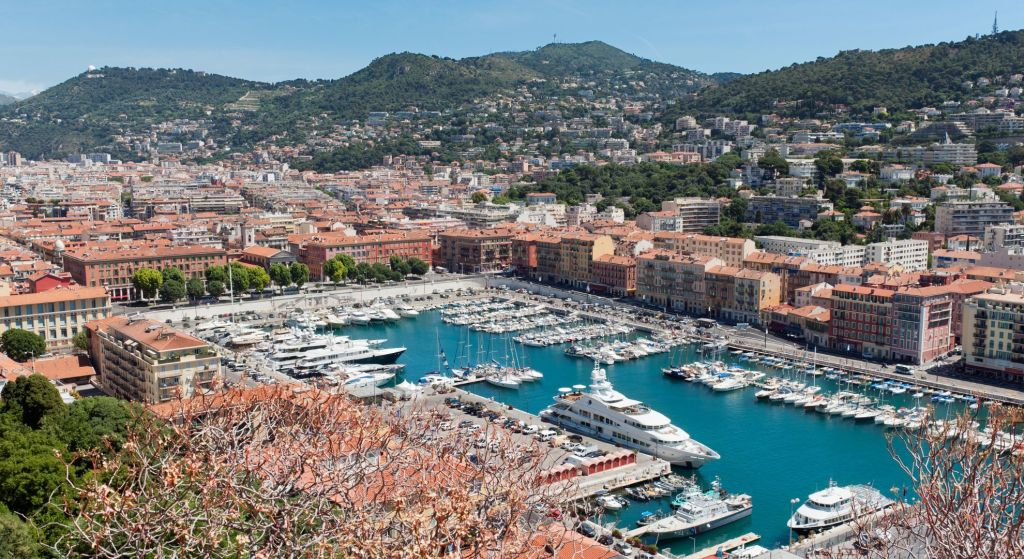
Cote d’Ivoire has a coastline of over 500 kilometers along the Gulf of Guinea, which has allowed it to benefit immensely from seaborne trade and develop strong competencies in port logistics and shipping services. Its geographical positioning makes it a natural maritime outlet for landlocked neighbors like Burkina Faso and Mali. Total port cargo throughput in the country reached over 21 million metric tons in 2021, underscoring the dominance of maritime transport.
Abidjan Port
History and Development
The Port of Abidjan was established in 1950 and has emerged as the largest and busiest seaport in the region. Strategic development plans and sustained investment in modernization has allowed Abidjan to consolidate its position as the premier container handling hub in West Africa. Traffic has exponentially grown from just over 1 million metric tons in 1968 to more than 21 million tons annually today.
Infrastructure and Facilities
The Port of Abidjan spans across two main sites – the Vridi terminal for general cargo and bulk commodities, and the Port Bouet roll-on/roll-off (RoRo) facility that mostly handles vehicles and passenger traffic. There are 39 operational berths, including 4 container terminals and 3 oil jetties. Ancillary infrastructure includes vast storage warehouses, equipment maintenance workshops, and administrative buildings.
Cargo Throughput and Statistics
Abidjan port accounted for approximately 85% total maritime cargo traffic in Cote d’Ivoire during 2021. Key imports include petroleum products, wheat, cement, machinery, and chemicals, while exports include cocoa, cashews, cotton, palm oil, and aluminum. In 2021, container throughput reached over 2 million TEUs, highlighting Abidjan’s emergence as a logistics hub.
Future Expansion Plans
Horizon 2050 development strategies target Abidjan to grow into a mega-port handling over 100 million tons of cargo annually. Upgrades like dredging, new tugboats, and special economic zones will boost productivity and efficiency. Connectivity projects also seek to enhance multimodal transport links with inland trade corridors and landlocked neighbors.
San Pedro Port
Strategic Location and Layout
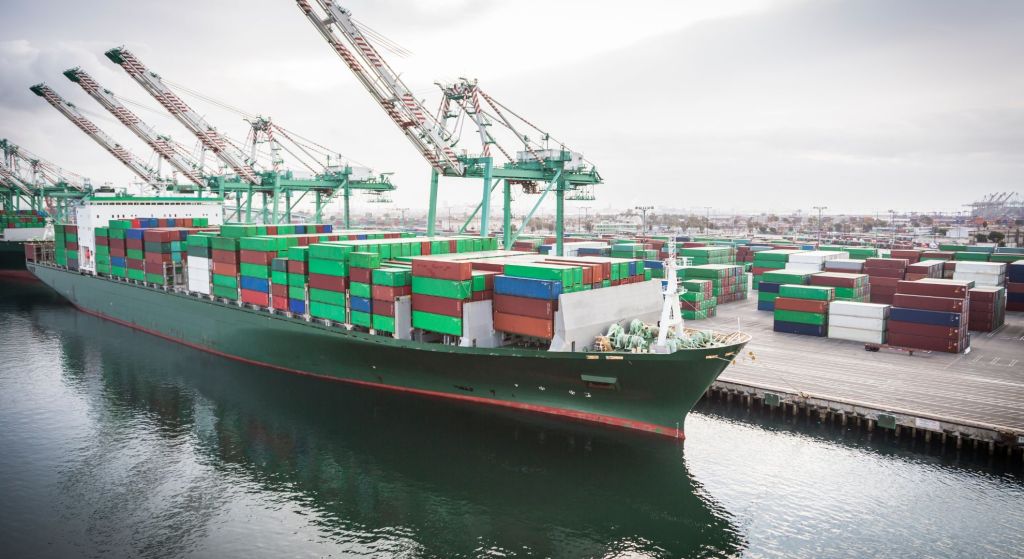
The Port of San Pedro lies in south-western Cote d’Ivoire, about 140 nautical miles west of Abidjan. Its naturally deep waters and proximity to fertile agricultural zones makes it strategically primed as a vital export gateway. It possesses 3 main operational zones – Zone A handles containers and conventional cargo, Zone B features bulk grain terminals, and Zone C accommodates petroleum tankers.
Special Economic Zone
The government has established an 8000 hectare special economic zone adjacent to the port, spanning both commercial and industrial areas. It aims to attract foreign investment by offering tax breaks and simplified administrative procedures. The region seeks to position itself as a logistics hub and manufacturing/re-export base.
Petroleum and Container Terminals
San Pedro has emerged as a vital depot for fuel exports. The Societe Ivorienne de Raffinage (SIR) operates an oil refinery and fully-equipped petroleum jetties to load tankers. The port also possesses substantial container handling infrastructure like gantry cranes and straddle carriers.
Dredging and Upgrading Projects
Ongoing efforts to bolster San Pedro’s capabilities include dredging its access channels and turning basins to 16 meters depth. Upgrades to existing jetties plus construction of two new deep water piers aim to reduce vessel waiting times and boost capacity.
Sassandra Port

Bulk Commodities Handling
The Port of Sassandra plays a crucial role serving Cote d’Ivoire’s western cacao and cotton growing regions. It possesses specialized bulk handling terminals operated by Bolloré Transport and Logistics that load bulk carriers for export markets. Key facilities include storage warehouses, conveyors, and continuous ship loaders.
Manganese and Cotton Exports
Sassandra port facilitates the export of manganese from mines located inland, which travels via rail to the harbor. In 2021, the port handled over 2 million tons of manganese ore exports. Majority of Cote d’Ivoire’s cotton exports also get shipped from Sassandra bound for Asian textile manufacturing hubs.
Fishing Fleet and Processing
The port features dedicated wharfage for Sassandra’s vibrant fishing community spanning over 600 registered vessels. It acts as a base of operations and landing site, with onshore facilities supporting hauling, icing, processing, and cold storage needs.
Connections to Hinterland
A railway line links Sassandra to the interior region of Cote d’Ivoire, proving crucial transport connectivity for miners and agriculturalists to ship their export bounty. Investments to upgrade this corridor focus on enhancing freight capacity and travel times.
Tabou Port

Banana and Pineapple Exports
Tabou port handles exports of bananas and pineapples harvested from Cote d’Ivoire’s tropical southeastern region. Reefer vessels transport these perishable fruits mainly to European markets. The port is equipped with specialized fruit loading conveyors and refrigerated storage houses.
Passenger Ferry Services
Tabou port serves as an international border crossing for maritime routes across Lake Volta to Ghana. Regular passenger and small cargo ferry services offer connections binding the cross-border communities and aiding local trade.
Supporting Local Economy and Trade
While modest in scale among Cote d’Ivoire’s ports, Tabou plays an important economic lifeline and income source for its surrounding region. The port activity sustains livelihoods of plantation farmers, longshoremen, and transportation workers.
Grand-Lahou Port
Historical Significance
Situated near the Bandama River, Grand-Lahou port has strong historical significance as a colonial trading post favored by European merchants dating back centuries. It initially developed as an outlet for local timber, rubber, timber, and agricultural exports at the turn of the 20th century when Cote d’Ivoire was under French rule.
Declining Importance
In 1921, Grand-Lahou was eclipsed by the completion of the new deepwater port in Abidjan. Silting of access waterways made navigation increasingly problematic for modern cargo ships, resulting in falling traffic and the deterioration of port infrastructure over ensuing decades.
Environmental Challenges
Coastal erosion has always posed problems for Grand-Lahou, but rising sea levels present existential threats for the future. Vast stretches of beachfront have been lost, while floods and storm surges encroach on local villages. Adaptation and resilience initiatives led by the government, NGOs, and development agencies seek sustainable solutions.
Cote d’Ivoire’s extensive port infrastructure and strategic coastal location has solidified its position as a vital maritime hub connecting West Africa to global shipping routes and value chains. Looking ahead, continued development of specialized terminals and supporting multimodal transport networks will consolidate the country’s stature as a vital logistics axis for the booming regional economy. Efficiency enhancing technologies and sustainable practices must be priorities to ensure future-proofed and climate resilient maritime operations.