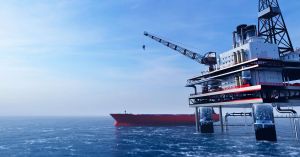
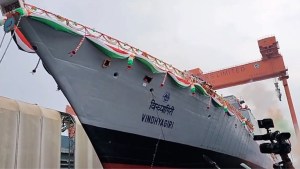
Defence Minister Rajnath Singh recently unveiled plans to bolster the nation’s naval capabilities with an unprecedented fleet of aircraft carriers in a bold affirmation of India’s maritime aspirations. Transcending the long-held ambition of possessing three such strategic assets, Singh’s announcement signalled India’s unwavering commitment to projecting power across the vast expanses of the Indian Ocean and beyond. This visionary move aligns with the country’s burgeoning role as a regional maritime force and mirrors the expansionist trajectories of other regional naval powers.
Matching Strides with China’s Ambitions: India Aircraft Carrier
Singh’s disclosure challenges China’s naval superpower ambitions. The U.S. Department of Defense warned in 2021 that China aims to complete six aircraft carriers by the decade’s end. Beijing’s aspirations are apparent from Liaoning and Shandong’s operational status and Fujian’s recent sea trials. The 80,000-tonne Fujian is China’s first carrier with electromagnetic catapults, formerly only used by the U.S. Navy. This invention lets the vessel deploy fighter jets with bigger payloads and saves launch time, boosting its offensive capability.
Similar to a regional maritime race, the India Aircraft Carrier
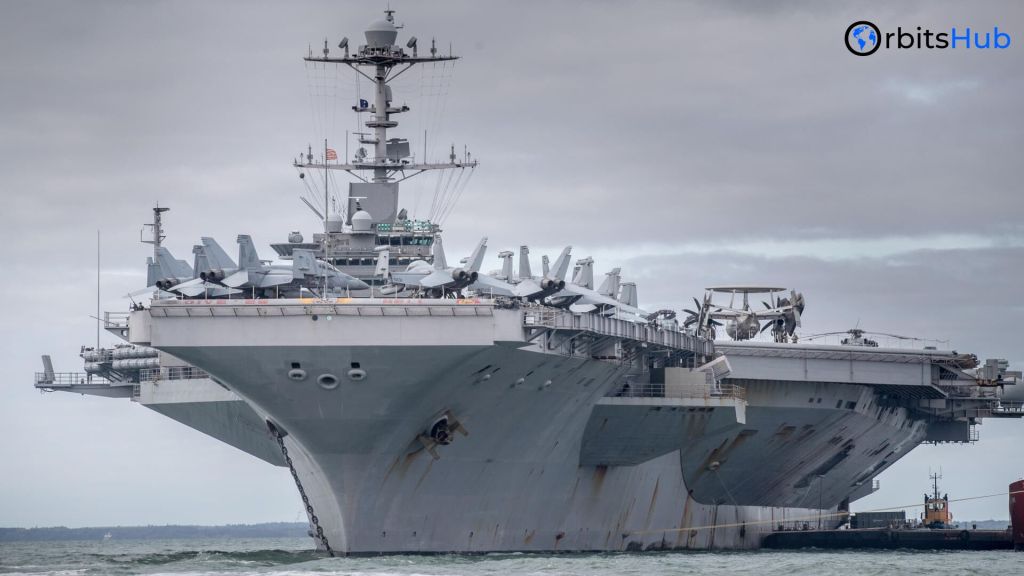
India’s aspirations for a formidable carrier fleet resonate with the ambitions of other Asian nations vying for maritime supremacy. Japan, for instance, has adroitly converted its helicopter carriers, J.S. Izumo and JS Kaga, into full-fledged aircraft carriers capable of launching F-35 fighter jets. South Korea, too, has unveiled plans to commission its inaugural aircraft carrier by 2030, underscoring the region’s intensifying naval race.
Safeguarding Strategic Trade Routes
India wants a strong carrier fleet beyond geopolitics. Security and open access are crucial because 90% of the nation’s trade is via sea. Piracy, hostile groups, and regional wars threaten these routes in dangerous Middle Eastern and North African waters. Recently, the Indian Navy has responded rapidly to trade vessel attacks or hijackings in the Western Indian Ocean, Gulf of Aden, and Red Sea. In these fundamental actions, India’s naval forces have supported maritime trade routes and global commerce.
Spearheading Humanitarian Efforts
The Indian Navy has long been a first responder in humanitarian aid and disaster relief (HADR) activities in the Indian Ocean Region, beyond protecting commercial routes. Its fast resource and people deployment has helped mitigate natural disasters and aid affected populations.
With an expanded fleet of India Aircraft Carriers, India’s capacity to project its humanitarian efforts across vast maritime expanses will be significantly bolstered. These floating airbases will serve as mobile command centres, enabling the swift mobilization of personnel, equipment, and supplies to areas in dire need of assistance.
Combating Maritime Terrorism and Piracy: India Aircraft Carrier

A larger carrier fleet will assist the Indian Navy tackle piracy and maritime terrorism. These scourges, which have plagued international waterways for decades, hinder global trade and injure innocent mariners, including Indian hostages. India can prevent and neutralize such malicious operations, secure important commerce lanes, and protect freedom of navigation by projecting overwhelming naval strength through carrier battle groups.
Extending Operational Reach and Dominance
Additional aircraft carriers will provide the Indian Navy operational superiority over broad maritime regions. India can defend its interests and show its presence in key regions by launching and recovering fighter jets from floating fortresses. Multiple carrier battle groups will allow India to operate in multiple areas, responding decisively to emerging threats and maintaining deterrence.
Enhancing Deterrence and Regional Stability
A powerful carrier fleet will boost India’s military, maritime, and regional security. Rapidly deploying and maintaining carrier battle groups in active theaters will boost deterrence and show India’s readiness to address sovereignty or national interest issues. India can prevent aggression and promote peace and economic growth by maintaining a delicate balance of power in the region through strategic partnerships, joint exercises, and military projection.
Bridging Operational Gaps and Sustaining Force Structure
India wants more aircraft carriers to close operational gaps and maintain a strong force. Adding a third carrier will ensure that at least two warships are always operational with the INS Vikramaditya and INS Vikrant. The third needs repairs and refitting. This strategic approach maximizes the availability of India’s naval assets and allows for the seamless rotation of carrier battle groups, ensuring a continuous and robust presence across critical maritime domains.
Indigenous self-reliance and capability: Aircraft Carrier
India’s ambition to construct a fleet of aircraft carriers is inextricably linked to its goal of self-reliance in the defence sector. The successful design and construction of the INS Vikrant, India’s first indigenously built aircraft carrier, has demonstrated the nation’s burgeoning capabilities in this highly specialized domain. With this milestone achievement, India intends to enhance shipbuilding, reduce its dependence on foreign suppliers, and strengthen its defense sector. Self-reliance increases India’s strategic autonomy, economic progress, and technological advancements.
Addressing Challenges and Considerations: India Aircraft Carrier
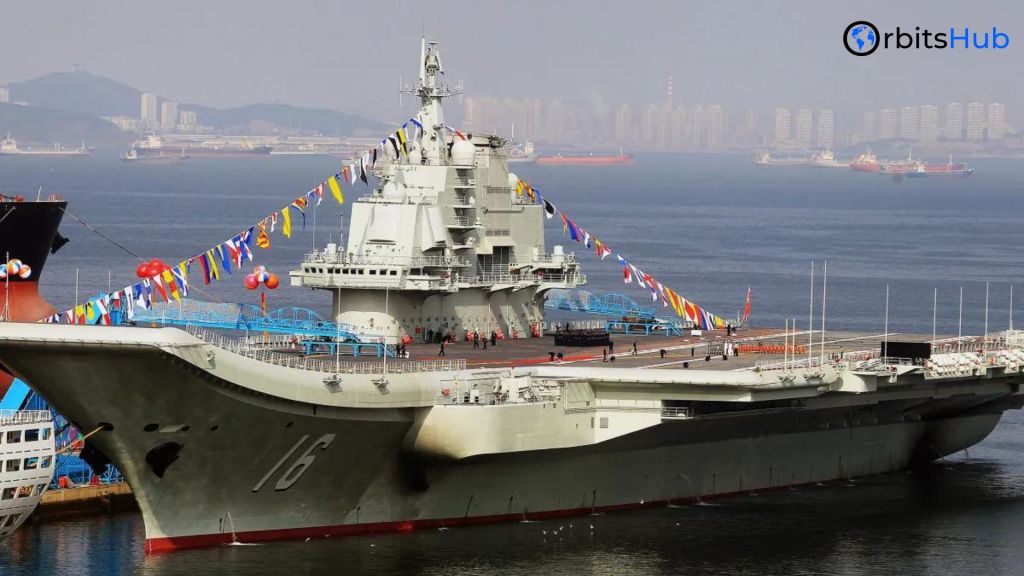
India’s strategic carrier fleet hunt has drawbacks. Building and maintaining aircraft carriers is expensive and complicated. India’s defense budget should fund cutting-edge technology or domestic needs, not carrier operations, argue critics. Indian carrier advocates say these floating fortresses’ strategic and deterrence value justifies their expense. Geopolitical shifts require large maritime domain force projection, commerce line protection, and threat response. Indian shipbuilding and defense might boost the economy and reduce debt.
Defence Minister Rajnath Singh’s bold intention to create a mighty aircraft carrier fleet strengthens Indian maritime dominance. This strategy improved India’s maritime dominance and regional naval growth. India wants to protect economic channels, lead humanitarian efforts, fight marine terrorism and piracy, expand operational reach and dominance, promote deterrence and regional stability, close operational gaps, and enhance indigenous capabilities and self-reliance. Despite its challenges, India needs a large carrier fleet for geopolitical and economic expansion. India may rule the Indian Ocean for decades with Rajnath Singh’s aircraft carrier force.
Do you want to learn more about cutting-edge aviation and maritime technology advancements? OrbitsHub, a leading consultancy service company specializing in these domains, can be your one-stop shop. Explore OrbitsHub to discover how their expertise can empower your organization.