The Joint Strike Fighter (JSF), or F-35 Lightning II, is more than just your average fighter plane. It’s a marvel of aviation engineering, a game-changer in modern air combat, and a symbol of international collaboration. This single-engine, single-seat aircraft represents the pinnacle of fifth-generation fighter technology, boasting an unmatched combination of stealth, agility, and sensor fusion.
Built for Air Superiority and Beyond: F-35 Fighter Jet
The F-35 comes in three variants, each designed for specific missions:
- F-35A (Conventional Takeoff and Landing—CTOL): This variant is the workhorse of the Air Force. It is designed for conventional runway takeoffs and landings. It excels in air superiority missions, dominating the skies against enemy aircraft.
- F-35B (Short Takeoff/Vertical Landing—STOVL): This Marines’ favorite can take off from shorter runways or perform vertical landings, making it ideal for operating from amphibious assault ships or austere bases.
- F-35C (Carrier Variant): Built for the Navy, the F-35C is designed for catapult launches and arrested landings on aircraft carriers. It brings the power of fifth-generation technology to the heart of naval aviation.
Cutting-Edge Technology: F-35 Fighter Jet
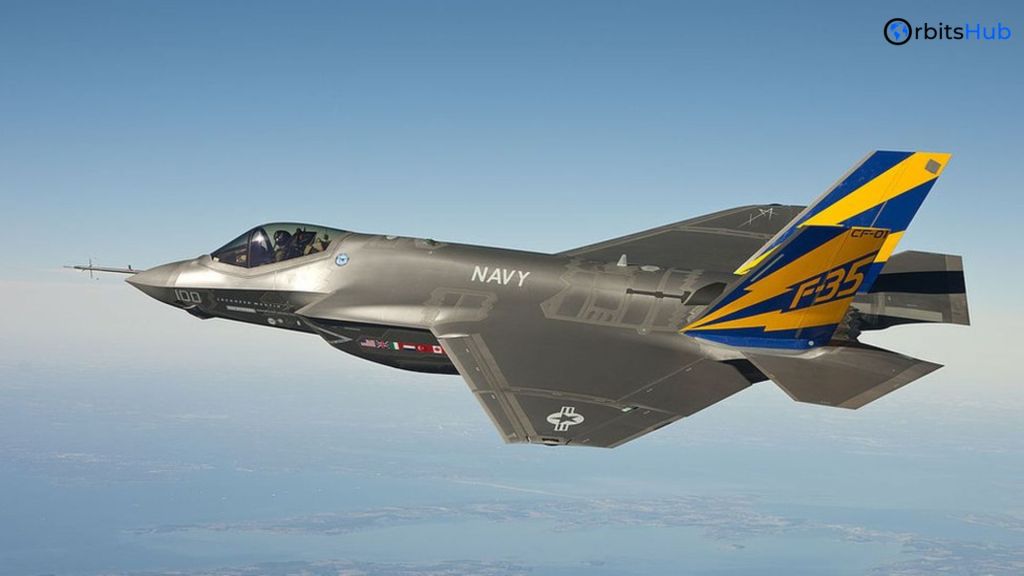
What truly sets the F-35 apart is its suite of cutting-edge technologies:
- Stealth: The F-35 has a low-observable design, making it difficult for enemy radar to detect. This allows pilots to get closer to their targets undetected, significantly increasing their chances of mission success.
- Advanced Avionics: The F-35 Fighter Jet is a pilot’s dream machine. It features a next-generation integrated avionics system that fuses sensor data from radar, infrared cameras, and other sources to provide pilots with unparalleled situational awareness. Imagine having a 360-degree battlefield view display on your helmet’s visor!
- Sensor Fusion: The F-35 doesn’t just collect data; it intelligently combines it from various sensors. This allows pilots to see a clear picture of the battlefield, identify threats faster, and make better decisions in the heat of combat.
- Unmatched Lethality: The F-35 is a formidable weapon system. It can carry various air-to-air and air-to-ground munitions and engage targets at extended ranges with pinpoint accuracy.
More Than Just a Fighter Jet
The F-35 isn’t just about dogfights and bombing runs. It’s an actual multirole combat aircraft, capable of:
- Electronic Warfare: The F-35 can jam enemy radars and disrupt their communications, giving friendly forces a significant advantage.
- Intelligence, Surveillance, and Reconnaissance (ISR): The F-35’s advanced sensors allow it to gather valuable intelligence about enemy positions and activities. This intel is crucial for battlefield awareness and successful operations planning.
The Future of Air Combat: F-35 Fighter Jet
The F-35 represents a significant leap forward in fighter jet technology. Here’s why it’s the future of air combat:
- Maintaining Air Dominance: With its unmatched capabilities, the F-35 ensures air superiority for the countries that operate it. This dominance translates to greater security and freedom of action in potential conflicts.
- Interoperability: Designed with international collaboration, the F-35 Fighter Jet allows allied forces to share information and operate effectively and seamlessly.
- Adaptability: The F-35 is constantly being upgraded with new software and hardware. This ensures it remains at the forefront of technology and can adapt to the ever-evolving future threats.
The Global F-35 Program: A Beacon of International Cooperation
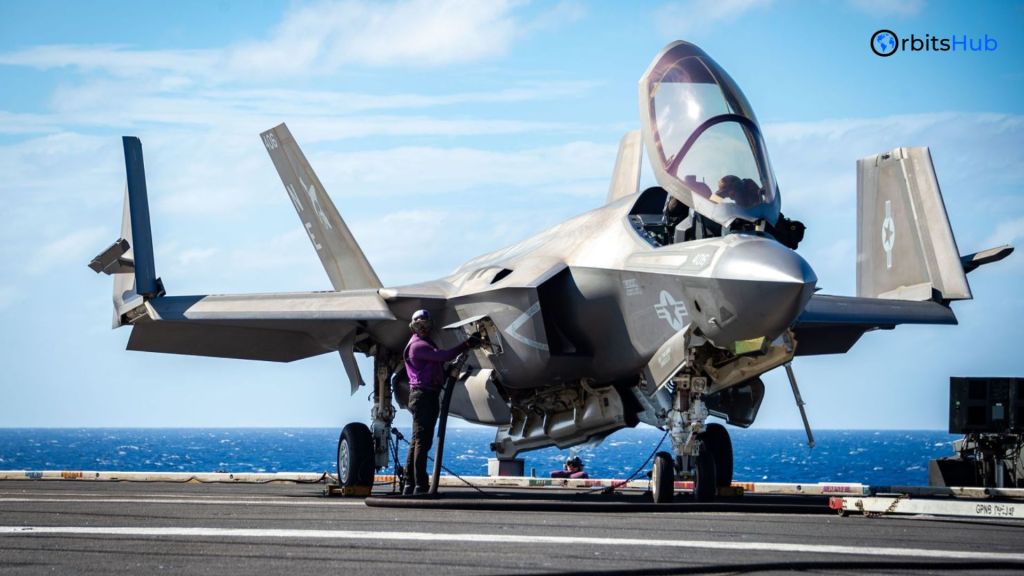
The F-35 program is a shining example of successful international collaboration in the defense sector. Here’s a closer look at this unique partnership:
- Joint Development and Production: The F-35 was develop by a consortium of nations, including the United States, the United Kingdom, and Italy. This collaboration allowed for shared resources, expertise, and risk mitigation.
- Technological Sharing: The program fostered the exchange of cutting-edge technologies between partner nations, accelerating advancements in various fields of aviation engineering.
- Economic Benefits: The F-35 program created jobs and stimulated economic growth across participating countries. Additionally, the program fostered closer trade ties and strengthened international partnerships.
The F-35: Not Without Controversy
The F-35 program has also faced its share of criticism. Here’s a balanced perspective on some of the key concerns:
- Cost Overruns: The development of the F-35 was plagued by cost overruns, exceeding initial estimates by a significant margin. This has been a source of contention for some critics of the program.
- Operational Challenges: The complexity of the F-35’s systems has led to initial maintenance and operational cost challenges. However, ongoing upgrades and training programs are addressing these issues.
- Strategic Considerations: Some critics argue that the F-35’s focus on air superiority needs to be more relevant in the face of evolving threats like cyberwarfare and drone warfare. However, the F-35’s multirole capabilities and adaptability are designed to address these concerns.
The F-35 Lightning II is a revolutionary aircraft that has redefined air combat. Its stealth, agility, and sensor fusion make it a dominant force in the skies. As the world of aviation continues to evolve, the F-35 will play a pivotal role in safeguarding airspace for decades.
OrbitsHub is a maritime and aviation consultancy services company. If you need assistance navigating these ever-changing industries’ intricacies, our seasoned experts are here to help.