Port of Malé: The Gateway to the Maldives

The Port of Malé, managed by Maldives Ports Limited (MPL), serves as the official international seaport of the Maldives. Located in the capital city of Malé, this port is strategically positioned to handle the majority of the country’s imports and exports. With its berths, including the Magathufaalan and the Eastern and Western Lighterage Berths, the Port of Malé offers diverse docking options for various types of vessels.
The port’s facilities include open storage areas, covered warehouses, and reefer points for refrigerated containers. MPL provides a wide range of services, such as pilotage, dockage, towage, salvage, stevedoring, handling, and storage. These services contribute to the efficient movement of cargo and ensure smooth operations within the port.
Kulhudhufushi Regional Port: The Economic Capital of the North
Kulhudhufushi Regional Port (KRP), managed by Kulhudhufushi Ports Limited (KPL), is the North International Sea Port of the Maldives. Located in the second northernmost atoll, Kulhudhufushi Island serves as the economic capital of the region. KRP, equipped with mobile shore cranes, forklifts, and dry storage facilities, caters to small-scale freighters within the port.
KRP’s strategic location and facilities make it a key hub for trade in the northern part of the Maldives. With its berths and a built-in area of 11,350m2, KRP provides essential services to ensure the efficient handling and storage of cargo. The port complies with the International Ship and Port Facility Security (ISPS) code, ensuring the safety and security of operations.
Maamigili Seaport: Connecting the Central Atolls

Maamigili Seaport serves as a vital link between the central atolls of the Maldives. This port, along with its facilities and government officials involved in security and clearance, plays a crucial role in facilitating trade within the region. The seaport’s location and infrastructure contribute to the efficient movement of goods, supporting the economic activities of the central atolls.
Hithadhoo Regional Port: Strengthening Regional Connectivity
Hithadhoo Regional Port, operational since December 2005, serves as a regional port in the Maldives. With its length alongside berth measuring 171 meters and a depth of 5 meters, the port can accommodate vessels and handle a variety of cargo. Hithadhoo Island, with its population and availability of medical and civil services, benefits from the port’s operations.
The port’s facilities, including storage sheds and passenger waiting areas, ensure the smooth flow of goods and passengers. Hithadhoo Port plays a significant role in strengthening regional connectivity and supporting economic growth in the southern part of the Maldives.
Gan International Port: Connecting the Southernmost Atolls
Gan International Port, located in the southernmost atolls of the Maldives, serves as a vital connection point for trade in the region. This port, operated by the Gan International Port Private Limited (GIPPL), provides essential services for vessels and facilitates the handling of various types of cargo. With its strategic location and infrastructure, Gan International Port strengthens trade links and supports economic activities in the southern atolls.
Hanimaadhoo International Port: Expanding Trade Opportunities
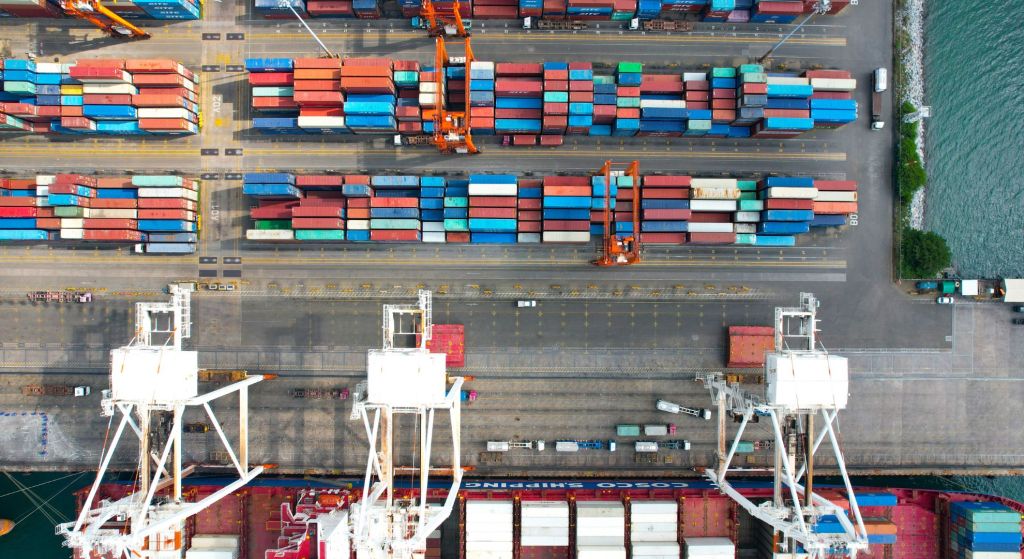
Hanimaadhoo International Port, located in the northern part of the Maldives, is another key player in enhancing trade opportunities. Managed by the Hanimaadhoo Port Limited, this port offers direct shipping connections with other countries through important shipping lines. With its efficient transportation system and facilities, Hanimaadhoo International Port contributes to the economic prosperity of the country by facilitating trade and improving connectivity.
Fostering Trade and Economic Development
The six major cargo ports in the Maldives play a crucial role in fostering trade and driving economic development. These ports, strategically located across the archipelago, provide essential services and infrastructure to facilitate the efficient movement of goods. Whether it is the Port of Malé, serving as the gateway to the Maldives, or regional ports like Kulhudhufushi, Hithadhoo, and Hanimaadhoo, each port contributes to the overall trade ecosystem of the country.
As the Maldives continues to expand its trade relations and attract investments, the development and maintenance of a robust port infrastructure remain imperative. Port officials and stakeholders are working to improve connectivity, upgrade port facilities to meet international standards and solidify the Maldives’ role as a major player in regional and global trade.
With ongoing investments and plans to develop an international container transshipment port, the Maldives is poised to unlock even greater trade potential. These developments will not only enhance trade efficiency but also contribute to the country’s economic growth and prosperity.