1. Port of Nagoya
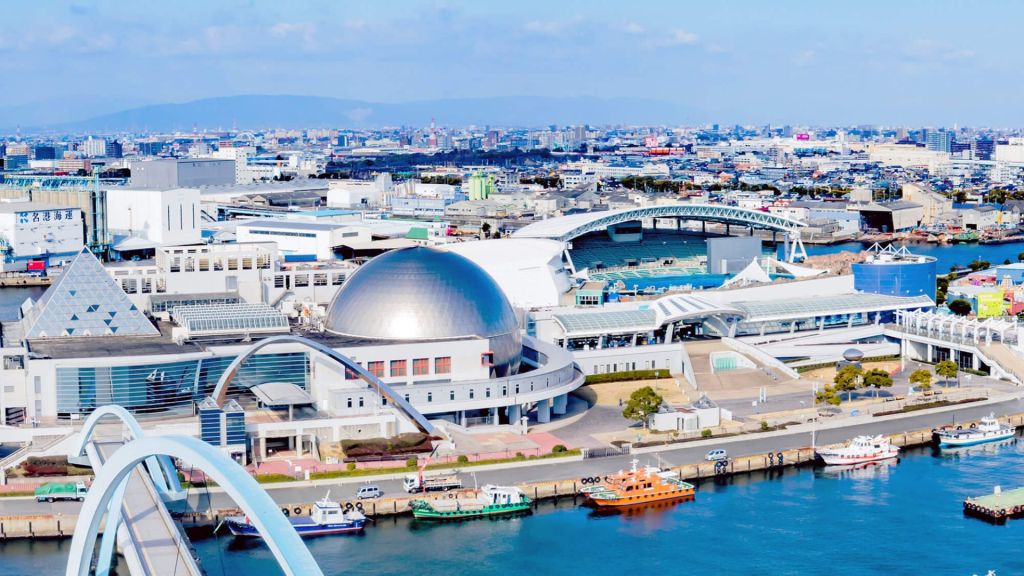
- Trade Volume: The port boasts an impressive annual trade volume exceeding 2.6 million TEUs (Twenty-Foot Equivalent Units), making it a crucial player in global shipping.
- Automotive Export Hub: Nagoya is renowned as the primary export hub for Japan’s automotive industry, with Toyota Motor Corporation, one of the world’s leading automakers, utilizing the port to ship its vehicles across the globe.
- Industrial Powerhouse: The port serves as a vital link for numerous world-class manufacturing enterprises in various industries, including automobiles, machinery, chemicals, and electronics.
- Gateway to Chubu Region: Located in the Chubu region, the port acts as the maritime gateway to this economically significant area, supporting its industrial growth and development.
- Nagoya Port Authority: The port’s operations are overseen and managed by the Nagoya Port Authority, a special local public entity responsible for ensuring the port’s efficient functioning and continued growth.
Historical Significance:
The Port of Nagoya has a rich history dating back to its opening for international trade in 1907. Over the years, it has continuously evolved and expanded, adapting to the changing demands of global commerce. The port’s resilience and adaptability have played a significant role in Japan’s economic development and its position as a major player in the global market.
Environmental Initiatives:
The Nagoya Port Authority is actively engaged in environmental initiatives aimed at reducing the port’s ecological footprint. These efforts include promoting the use of cleaner fuels, implementing energy-efficient technologies, and supporting sustainable practices throughout the port’s operations.
Unique Feature:
The Port of Nagoya stands out for its exceptional integration of industrial prowess and maritime efficiency, exemplified by its specialized car terminal facilities. These state-of-the-art terminals are equipped with advanced roll-on/roll-off (RoRo) technology, allowing for seamless loading and unloading of vehicles directly from ships. This unique feature, combined with the port’s proximity to major automotive manufacturers like Toyota, has solidified Nagoya’s position as the premier automotive export hub in Japan. The port’s ability to handle massive volumes of vehicle shipments with unparalleled speed and precision has made it an indispensable asset to the global automotive supply chain, setting it apart from other major ports worldwide.
2. Port of Tokyo
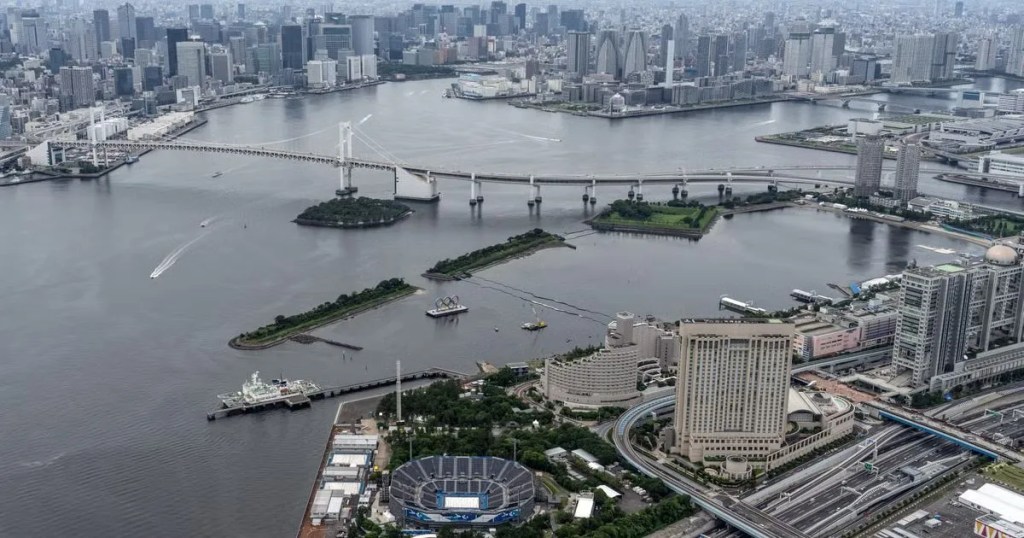
The Port of Tokyo is one of the biggest bay ports in Japan and the Pacific Ocean. It is right in the middle of Tokyo. With its extensive container terminals and vast handling capacity, it plays a crucial role in facilitating trade both domestically and internationally. The Port of Tokyo boasts connections to major global ports, making it a vital link in the global supply chain.
Key Features and Statistics
- TEU: 4,570,000 (2018)
- Annual traffic capacity of approximately 100,000,000 tons of cargo
- Employs over 30,000 individuals, providing essential port services
- Handles more than 32,000 ships annually
- Acts as the central distribution hub for the metropolitan area’s economic development
- The Bureau of Port and Harbor of the Tokyo Metropolitan Government is in charge of it.
Diverse Facilities and Services:
The Port of Tokyo boasts a wide range of facilities and services, including container terminals, RoRo (Roll-on/Roll-off) terminals for vehicles, passenger terminals, and specialized terminals for handling various types of cargo. The port also offers comprehensive logistics services, such as warehousing, customs clearance, and cargo handling, to support the smooth flow of trade.
Environmental Considerations:
The Bureau of Port and Harbor is committed to environmental sustainability and actively promotes initiatives aimed at reducing the port’s environmental impact. These efforts include implementing green technologies, promoting the use of cleaner fuels, and supporting sustainable practices throughout the port’s operations.
Unique Feature:
The Port of Tokyo distinguishes itself through its exceptional urban integration, seamlessly blending maritime operations with the bustling metropolis of Tokyo. This unique synergy allows for unparalleled efficiency in last-mile logistics, with cargo rapidly transitioning from ship to shelf in one of the world’s largest consumer markets. The port’s strategic location within the city enables it to serve as a vital lifeline for the capital’s 13 million residents, facilitating swift distribution of goods throughout the Tokyo metropolitan area. This urban-port symbiosis not only enhances the port’s economic significance but also showcases an innovative model of how modern ports can harmoniously coexist with and support large urban centers, setting Tokyo apart as a prime example of efficient urban logistics on a global scale.
3. Port of Kobe

Situated on Osaka Bay, the Port of Kobe ranks as one of Japan’s major trading ports. Known for its international connections and vibrant industrial sector, this port serves as a key distribution center for a wide range of products. Additionally, it has contributed significantly to the growth of the steel and shipbuilding industries in the region.
Key Features and Statistics
- TEU: 2.91 million (2017)
- Worldwide sea transportation networks connect it to about 500 ports in 130 countries
- A popular amusement center and a crucial product distribution hub
- Attracts major steel and shipbuilding enterprises
- Handles various types of cargo, including food, communications equipment, minor appliances, and transportation equipment
- Managed by the Port & Urban Projects Bureau, Kobe City Government
Rich History and Cultural Significance
The Port of Kobe boasts a rich history dating back to its opening for foreign trade in 1868. Over the years, the port has witnessed significant growth and transformation, adapting to the evolving demands of global commerce. The port’s historical significance and cultural heritage are reflected in its iconic landmarks, such as the Kobe Port Tower and the Meriken Park, which attract tourists and locals alike.
Modernization and Expansion
The Port of Kobe continues to evolve and expand, with ongoing projects aimed at enhancing its infrastructure and capabilities. These initiatives include the development of new container terminals, the modernization of existing facilities, and the implementation of cutting-edge technologies to improve efficiency and sustainability.
Unique Feature:
The Port of Kobe stands out for its remarkable resilience and rapid recovery following the devastating Great Hanshin Earthquake of 1995. This catastrophic event caused extensive damage to the port’s infrastructure, temporarily halting operations. However, through an extraordinary feat of engineering and community determination, the port was rebuilt and fully operational within just two years. This rapid revival not only demonstrated the port’s crucial importance to the regional and national economy but also showcased innovative disaster-resistant design and construction techniques. Today, the Port of Kobe serves as a global model for disaster preparedness and recovery in maritime infrastructure, with its state-of-the-art earthquake-resistant facilities and advanced emergency response systems. This unique blend of historical significance, modern resilience, and forward-thinking disaster management sets Kobe apart as a port that has not just survived adversity but emerged stronger and more capable than ever.
4. Port of Osaka

The Port of Osaka, located in Osaka Bay, stands as one of Japan’s most important ports. With its strategic position and commitment to infrastructure development, it plays a significant role in facilitating trade and supporting the economic growth of the region. The port is an important link between Japan and East Asia and is home to many well-known businesses.
Key Features and Statistics
- TEU: 2.21 million (2016)
- Handles international trade of 34.11 million tons and domestic trade of 48.09 million tons
- Boasts 111 coastal berths and 70 sea-going berths
- Considered one of Asia’s most important trading ports
- Focuses on refurbishing infrastructure, adopting state-of-the-art technology, and improving port services
- Managed by the Port & Harbor Bureau, City of Osaka
Focus on Innovation and Sustainability:
The Port of Osaka is actively embracing innovation and sustainability to ensure its long-term success. The port is investing in cutting-edge technologies, such as automated container terminals and smart logistics systems, to enhance efficiency and reduce environmental impact. Additionally, the port is promoting the use of cleaner fuels and renewable energy sources to minimize its carbon footprint.
Tourism and Waterfront Development:
The port is not just a hub for trade and industry but also a vibrant destination for tourism and leisure activities. The waterfront area features numerous attractions, including parks, museums, shopping centers, and restaurants, offering visitors a diverse range of experiences. An exciting and environmentally friendly cityscape, perfect for locals and tourists alike, is the goal of the port’s waterfront development initiatives.
Unique Feature:
The Port of Osaka distinguishes itself through its pioneering “Smart Port” initiative, which seamlessly integrates cutting-edge technology with traditional port operations. This innovative approach incorporates artificial intelligence, Internet of Things (IoT) sensors, and big data analytics to optimize cargo handling, vessel traffic management, and overall port efficiency. The port’s state-of-the-art digital twin system creates a real-time virtual replica of the entire port complex, allowing for predictive maintenance, enhanced safety measures, and rapid response to potential disruptions. This forward-thinking integration of digital technologies not only streamlines operations but also positions the Port of Osaka as a leader in the development of next-generation, sustainable port ecosystems. By embracing this smart infrastructure, Osaka is setting new standards for port management in the digital age, offering a glimpse into the future of maritime logistics and urban-port integration.
5. Port of Hakata
Situated in Fukuoka City, the Port of Hakata serves as one of Japan’s essential international ports, connecting the country to East Asia and other global destinations. With its extensive handling capabilities, this port accommodates various types of cargo, including containers, dry bulk, passengers, oil, metals, and chemicals.

Key Features and Statistics
- TEU: Over one million (2018)
- Prominent handling services include containers, dry bulk cargo, passengers, oil, metals, chemicals, and more
- Acts as a vital link between Japan and East Asia
- Capable of handling significant numbers of airfreight commodities
- Considered one of Japan’s major commercial shipping and logistics hubs
- Administered by the Port & Harbor Bureau, Fukuoka City
Historical and Cultural Significance
The Port of Hakata boasts a rich history dating back centuries, having served as a vital trading port since ancient times. The port’s historical significance is reflected in its proximity to Hakata Old Town, a vibrant district with traditional shops, temples, and cultural landmarks.
Modernization and Expansion
The Port of Hakata continues to evolve and expand, with ongoing projects aimed at enhancing its infrastructure and capabilities. These initiatives include the development of new terminals, the expansion of existing facilities, and the implementation of cutting-edge technologies to improve efficiency and sustainability.
Unique Feature:
The Port of Hakata distinguishes itself as Japan’s premier “Cruise Hub,” featuring a state-of-the-art Cruise Center capable of accommodating multiple large cruise ships simultaneously. Its strategic location as the closest major Japanese port to other East Asian countries makes it an ideal starting point for regional cruise itineraries. This unique combination of advanced cruise infrastructure and geographical advantage has established Hakata as a crucial node in Asia’s cruise industry. The port’s focus on cruise tourism not only diversifies its operations but also significantly boosts regional tourism, showcasing an innovative approach to expanding Japan’s maritime and tourism sectors.
6. Port of Yokohama
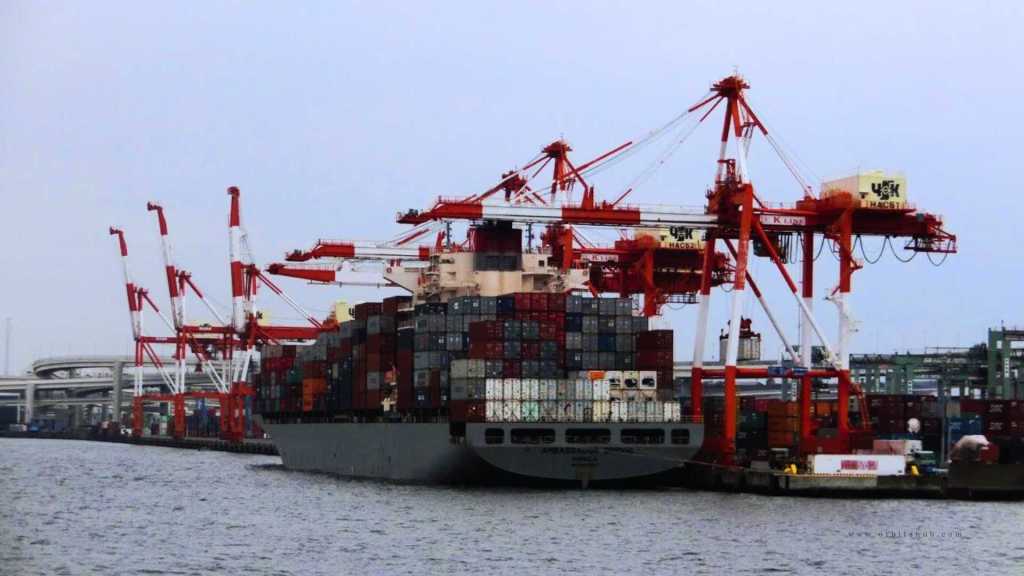
The Port of Yokohama, owned by the Yokohama Ports Corporation, stands as one of Japan’s major ports and a vital component of international trade. With its extensive facilities and connections to global ports, it handles a wide range of cargo, contributing significantly to the economic development of the region.
Key Features and Statistics
- TEU: 172,000 (2015)
- Handled approximately 93,000 TEUs of exports and 79,000 TEUs of imports
- Boasts ten main piers, including 14 container berths
- Hosts the Honmoku Pier, the port’s primary facility
- Helps tremendously with product distribution throughout the city
- Administered by the Yokohama Ports Corporation
Historical Significance and Modernization:
The Port of Yokohama boasts a rich history dating back to its opening in 1859 as one of Japan’s first international ports. Over the years, the port has undergone significant modernization and expansion, adapting to the evolving demands of global commerce. Today, the port is a modern and efficient facility, equipped with state-of-the-art technology and infrastructure to support its operations.
Tourism and Waterfront Development:
In addition to its role as a major trading port, the Port of Yokohama is also a popular tourist destination. The waterfront area features numerous attractions, including museums, parks, shopping centers, and restaurants. With its dedication to waterfront development, the port hopes to build an urban setting that is both attractive to tourists and good for locals.
Japan’s major ports, including the Port of Nagoya, Port of Tokyo, Port of Kobe, Port of Osaka, Port of Hakata, and Port of Yokohama, are integral to the country’s economic prosperity. These ports serve as vital links in the global supply chain, facilitating trade, supporting local industries, and driving economic growth. With their state-of-the-art infrastructure, extensive handling capacities, and commitment to sustainability, these ports continue to play a crucial role in Japan’s position as a global economic powerhouse.
Whether it’s the automotive exports from the Port of Nagoya or the international trade connections of the Port of Tokyo, each port offers unique contributions to Japan’s economy and serves as a testament to the country’s prowess in maritime trade. As Japan continues to innovate and expand its global reach, these major ports will remain key pillars of its success.
Unique Feature:
The Port of Yokohama stands out with its innovative “Minato Mirai 21” district, a seamless blend of port operations and urban development. This visionary project transforms the waterfront into a thriving mixed-use area, combining commercial, residential, and recreational spaces with iconic landmarks. By integrating maritime commerce with urban lifestyle, Yokohama showcases a forward-thinking model of sustainable port-city synergy. This unique approach not only enhances the port’s economic significance but also creates a vibrant, livable waterfront that attracts tourists, businesses, and residents, setting a new standard for waterfront development in port cities globally.
The Port of Nagoya, nestled in the heart of Ise Bay on the Pacific coast, is a true powerhouse of Japanese trade and industry. As Japan’s largest and busiest port, it plays a pivotal role in the country’s economy, handling over 10% of its total trade value. Strategically positioned as a central hub for both domestic and international commerce, the port connects Japan to the rest of the world through its extensive network of sea, land, and air transportation routes.
Key Features and Statistics:
- Trade Volume: The port boasts an impressive annual trade volume exceeding 2.6 million TEUs (Twenty-Foot Equivalent Units), making it a crucial player in global shipping.
- Automotive Export Hub: Nagoya is renowned as the primary export hub for Japan’s automotive industry, with Toyota Motor Corporation, one of the world’s leading automakers, utilizing the port to ship its vehicles across the globe.
- Industrial Powerhouse: The port serves as a vital link for numerous world-class manufacturing enterprises in various industries, including automobiles, machinery, chemicals, and electronics.
- Gateway to Chubu Region: Located in the Chubu region, the port acts as the maritime gateway to this economically significant area, supporting its industrial growth and development.
- Nagoya Port Authority: The port’s operations are overseen and managed by the Nagoya Port Authority, a special local public entity responsible for ensuring the port’s efficient functioning and continued growth.
Historical Significance:
The Port of Nagoya has a rich history dating back to its opening for international trade in 1907. Over the years, it has continuously evolved and expanded, adapting to the changing demands of global commerce. The port’s resilience and adaptability have played a significant role in Japan’s economic development and its position as a major player in the global market.
Environmental Initiatives:
The Nagoya Port Authority is actively engaged in environmental initiatives aimed at reducing the port’s ecological footprint. These efforts include promoting the use of cleaner fuels, implementing energy-efficient technologies, and supporting sustainable practices throughout the port’s operations.
Unique Feature:
The Port of Nagoya stands out for its exceptional integration of industrial prowess and maritime efficiency, exemplified by its specialized car terminal facilities. These state-of-the-art terminals are equipped with advanced roll-on/roll-off (RoRo) technology, allowing for seamless loading and unloading of vehicles directly from ships. This unique feature, combined with the port’s proximity to major automotive manufacturers like Toyota, has solidified Nagoya’s position as the premier automotive export hub in Japan. The port’s ability to handle massive volumes of vehicle shipments with unparalleled speed and precision has made it an indispensable asset to the global automotive supply chain, setting it apart from other major ports worldwide.