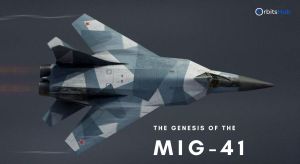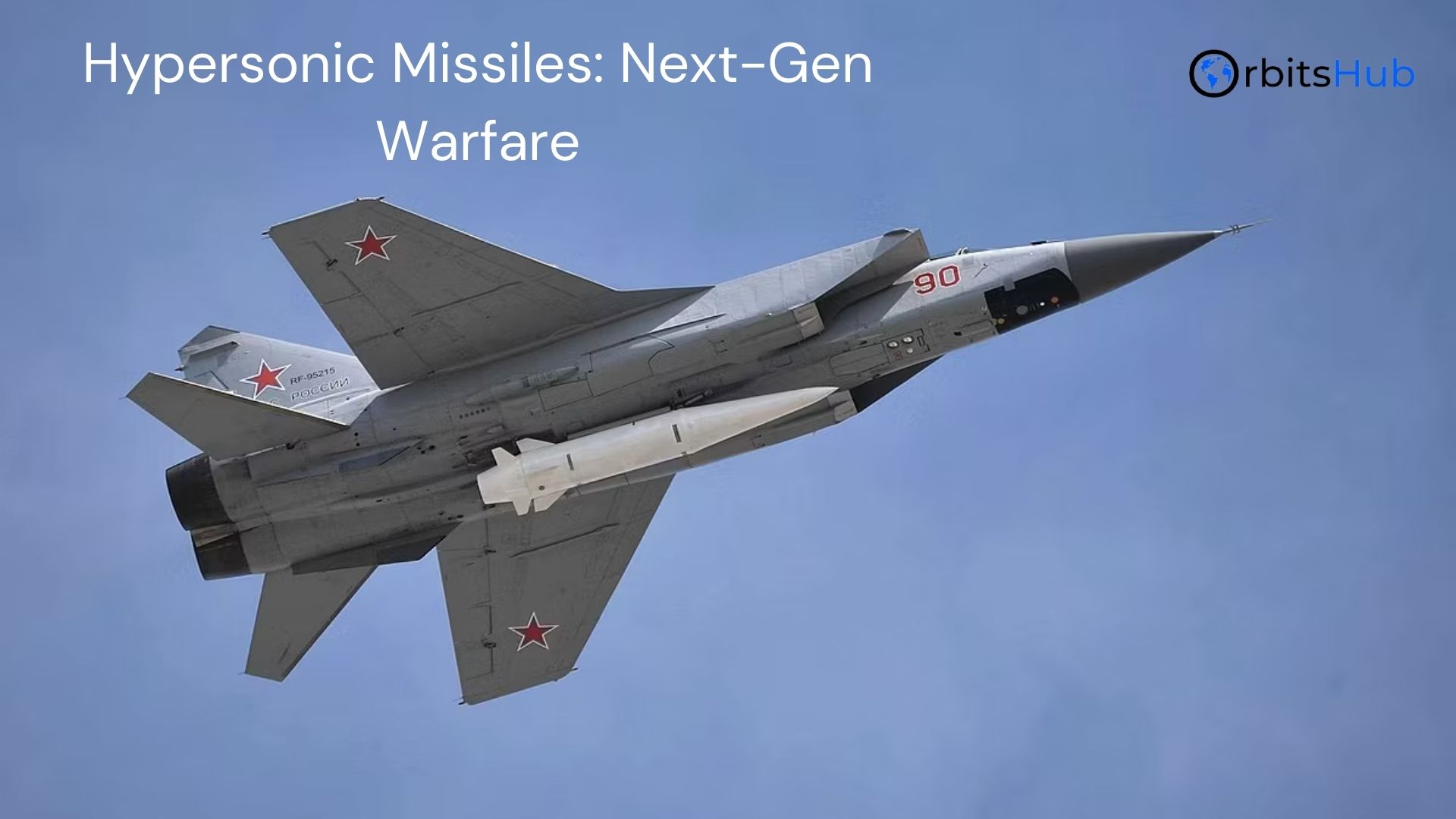
The warfare landscape is on the cusp of a paradigm shift with the emergence of hypersonic missiles. These technological marvels redefine the boundaries of speed, travelling at a staggering Mach 5 – five times faster than the speed of sound! This immense velocity presents a formidable challenge for existing defence systems, raising concerns about a potential new arms race. This delves into the world of hypersonic missiles, exploring seven countries actively developing this cutting-edge technology. We’ll dissect the reasons behind the hypersonic race, analyze the key players involved, and explore the potential implications for global security. Finally, we’ll examine the challenges and opportunities as we navigate the hypersonic age.
Why Hypersonic Missiles? Understanding the Game-Changing Advantages
Hypersonic missiles aren’t merely faster versions of conventional missiles; they represent a quantum leap in offensive capabilities. Here’s a closer look at the factors that make them so game-changing:
- Unmatched Speed: The defining characteristic of hypersonic missiles is their blistering speed, Mach 5, which translates to roughly 3,800 miles per hour (6,100 kilometres per hour). They can cover a lot of ground quickly thanks to their incredible speed, which makes defensive strategies more difficult and reduces reaction times compared to traditional missiles. The unpredictable manoeuvres of hypersonic missiles can easily defeat traditional missile defence systems that depend on predictable trajectories.
- Enhanced Maneuverability: Hypersonic missiles can manoeuvre during flight, unlike ballistic missiles that follow a parabolic arc after launch. This manoeuvrability stems from their aerodynamic design and advanced guidance systems, making them even more challenging to track and intercept. Imagine a dart compared to a speeding bullet – that’s the stark contrast in predictability between ballistic and hypersonic missiles.
- Conventional or Nuclear Warhead Compatibility: Hypersonic missiles offer flexibility in terms of payload. They can carry both conventional explosives and nuclear warheads, adding another layer of strategic complexity. This versatility allows them to be used in various scenarios, from traditional strikes to devastating nuclear attacks.
The confluence of these factors – extreme speed, advanced manoeuvrability, and payload flexibility – makes hypersonic missiles highly disruptive in modern warfare. Their sheer speed and unpredictable trajectories pose a significant challenge for existing missile defence systems, potentially rendering them obsolete. This, in turn, could lead to a new arms race as countries strive to develop countermeasures and maintain a strategic advantage.
The Hypersonic Race: A Global Stage with Key Players
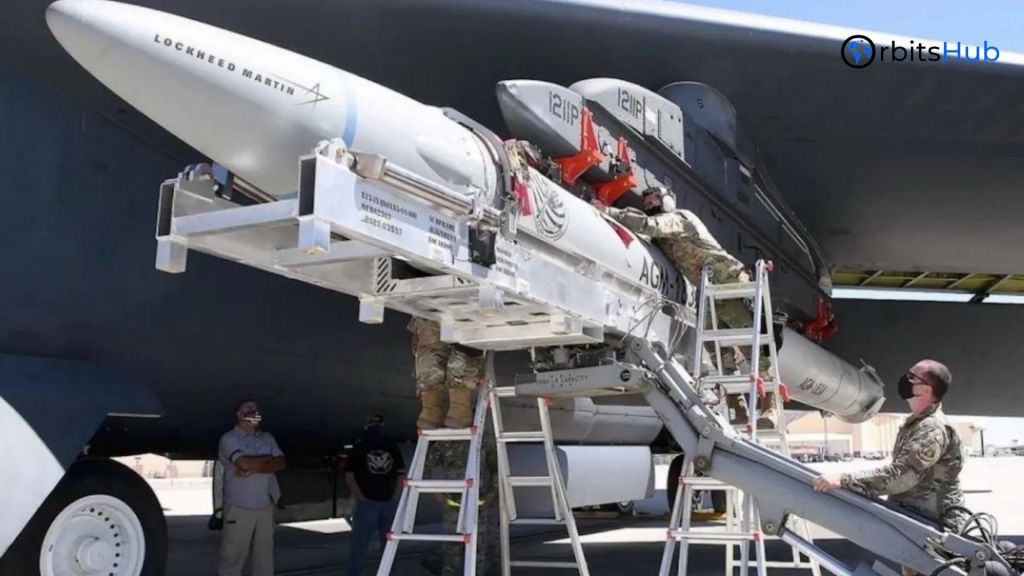
The race for hypersonic missile development is no longer a one-horse race. Several countries are actively vying for dominance in this emerging technological arena. Here’s a closer look at seven of the key players in the hypersonic race:
1. United States: The US has excelled in hypersonic research since the Cold War. The US leads hypersonic development with scramjet propulsion and rocket-powered hypersonic glide vehicles. The US is developing operational hypersonic capabilities through HAWC and CPG.
2. China: Hypersonic cruise missiles and glide vehicles are part of China’s hypersonic strategy. A 2021 test of their hypersonic glide vehicle showed it could circle the globe before reentering the atmosphere for a targeted strike. This test shocked the world, demonstrating China’s quick advancement in this vital technology.
3. Russia: Russia claims functioning hypersonic missiles. Russian hypersonic technology is shown by the Avangard glide vehicle, which can carry nuclear weapons and maneuver at hypersonic speeds. Russia also has improved hypersonic cruise missile systems, cementing its leadership.
4. France: France is working with Germany on the Future Cruise Missile Weapon System to achieve hypersonic speeds. While details remain under wraps, the FCAS program may involve hypersonic technologies, boosting European capabilities in this developing field.
5. India: Recognizing the strategic importance of hypersonic missiles, India has embarked on its own hypersonic technology development program. The Hypersonic Technology Demonstrator Vehicle (HSTDV) program aims to validate critical technologies for hypersonic vehicles, paving the way
6. Japan: Driven by concerns about regional security threats, Japan is actively exploring hypersonic missile technology. Their focus leans towards scramjet-powered hypersonic cruise missiles, potentially offering a long-range, high-speed strike capability.
7. North Korea: North Korea tested possible hypersonic glide vehicles. While independent verification and technical details are yet unknown, their progress is concerning, especially for South Korea and Japan. North Korea’s development and testing could worsen the Korean peninsula’s security.
These Seven countries represent the current landscape of the hypersonic race. It’s important to note that this list may evolve as other countries invest resources in hypersonic research and development.
The Future of Hypersonic Missiles: A Balancing Act Between Security and Stability
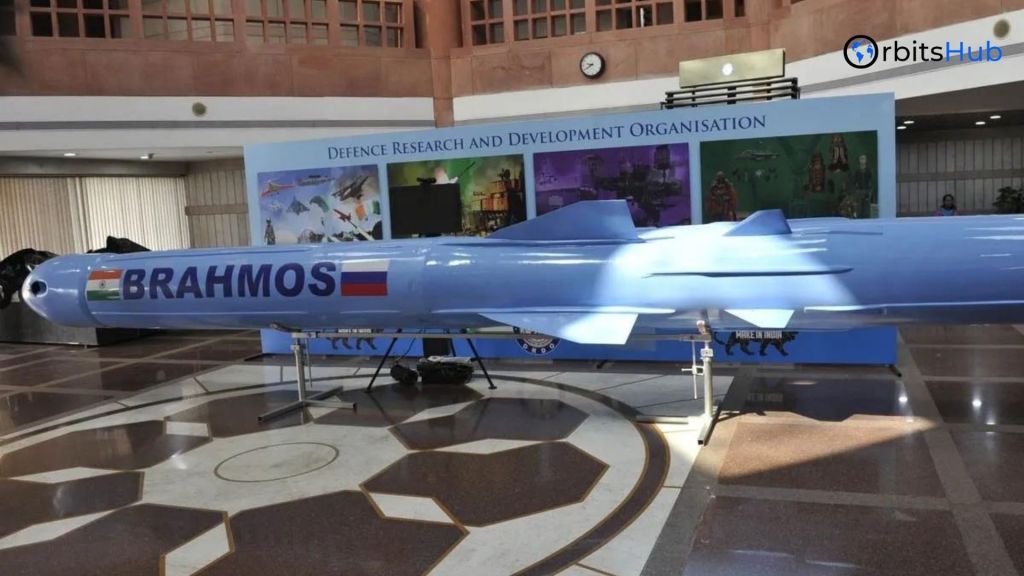
The development of hypersonic missiles presents a double-edged sword. While they offer potential benefits for deterrence and defence, the implications for global security are significant. Here’s a closer look at some key considerations:
- Increased Risk of Arms Race: The proliferation of hypersonic missiles could trigger a new arms race, destabilizing regional and global security landscapes. Countries may feel pressure to develop countermeasures and further refine their offensive hypersonic capabilities, creating a vicious cycle of escalation.
- Deterrence and Escalation: On the one hand, hypersonic missiles can serve as a potent deterrent, dissuading potential adversaries from initiating conflict due to the threat of a swift and devastating attack. However, their immense speed and destructive power also increase the risk of accidental escalation during heightened tension. Miscalculations or misinterpretations of actions could rapidly escalate into a full-blown conflict.
- Challenges and Opportunities: Developing hypersonic missiles has distinct advantages and disadvantages. Concerns about this technology’s security must be addressed first and foremost. On the other hand, hypersonic technology can potentially lead to advancements in materials science, propulsion systems, and aerodynamics, with potential applications beyond the military domain. It’s crucial to explore avenues for harnessing these advancements for peaceful purposes.
Hypersonic missiles represent a significant technological leap in warfare, with far-reaching consequences for global security. While their potential defence applications exist, the concerns surrounding their offensive capabilities cannot be ignored. Promoting international dialogue, responsible development, and focusing on arms control measures will create a more secure and stable future as the hypersonic race unfolds.
Explore More About Maritime and Aviation Technology at OrbitsHub. Delve deeper into the ever-evolving maritime and aviation technology landscape at OrbitsHub, a leading marine and aviation consultancy firm. We provide cutting-edge insights, expert analysis, and comprehensive solutions to help you navigate the complexities of this dynamic industry.