The Sukhoi Su-24, fondly nicknamed the “Fencer” by NATO designations, is a formidable twin-engine jet bomber that boasts variable-geometry wings. Developed during the Soviet era, the Su-24 has garnered a reputation for its impressive all-weather attack capabilities and ability to carry a substantial payload. This powerful aircraft has seen extensive action on various battlefields worldwide. But where are these fantastic machines still operational today?
Former Soviet Union Successor States: A Legacy of Aerial Might
Following the dramatic dissolution of the Soviet Union in 1991, several newly independent nations inherited a significant portion of the former superpower’s formidable military equipment, including a substantial number of Su-24s. Here are three such countries that continue to operate the venerable Fencer:
Russia: A Stalwart Inheritor
Because Russia is the direct successor to the enormous Soviet Union, it should come as no surprise that it boasts the largest fleet of Su-24s worldwide. Throughout Russian military history, these aircraft have been instrumental in several combat actions that have been of crucial importance, including the bloody Afghan War and the catastrophic Chechen Wars. Even though Russia is gradually transitioning away from the Sukhoi Su-24 aircraft in favour of more contemporary such as the sophisticated Su-34, many Fencers are still in operation, notably within reserve units that can be called upon if required.
Kazakhstan: Modernizing a Legacy
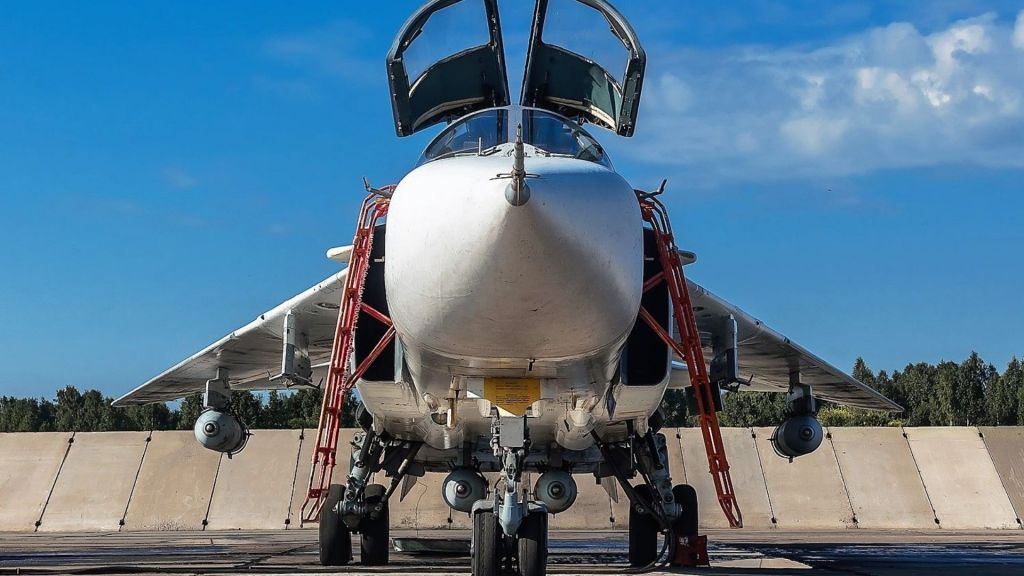
Kazakhstan, another former Soviet republic, received a sizeable number of Su-24s upon gaining independence. These robust aircraft are vital to the Kazakh Air Force‘s offensive capabilities. Recognizing the importance of maintaining a modern and relevant aerial fighting force, To ensure that its Su-24 fleet is able to accommodate the ever-changing nature of modern aerial warfare the government of Kazakhstan has carried out a series of methodical improvement initiatives. These efforts have proven to be successful.
Ukraine: A Nation in Conflict
Ukraine, too, inherited a substantial number of Su-24s following the collapse of the Soviet Union. The Ukrainian Air Force has employed these bombers in the ongoing conflict with Russia in the Donbas region. However, due to the continuing war’s immense strain on resources and the availability of more technologically advance Western weaponry being supplied to Ukraine, the size of Ukraine’s Su-24 fleet might be steadily dwindling.
Algeria: A Pillar of Defense
Algeria acquired Su-24s during the 1970s and has continuously invested in upgrading them to maintain their effectiveness. These supersonic aircraft are a cornerstone of the Algerian Air Force’s offensive capabilities, providing a significant advantage in safeguarding Algerian airspace. Algeria’s Su-24s have been deploy in various border skirmishes and counter-insurgency operations, demonstrating their versatility and resilience in real-world scenarios.
Iran: A Legacy of Soviet Influence
Iran received Su-24s during the Shah’s reign and continues to operate them today, demonstrating the enduring influence of the Soviet era on Iranian military equipment. The Iranian Air Force has integrated these bombers into various exercises and has even developed its own Indigenous upgrades for the Su-24s, showcasing Iran’s commitment to maintaining a strong aerial defence strategy. The Su-24 remains a significant component of Iran’s overall military might.
Syria: A War-Torn Veteran
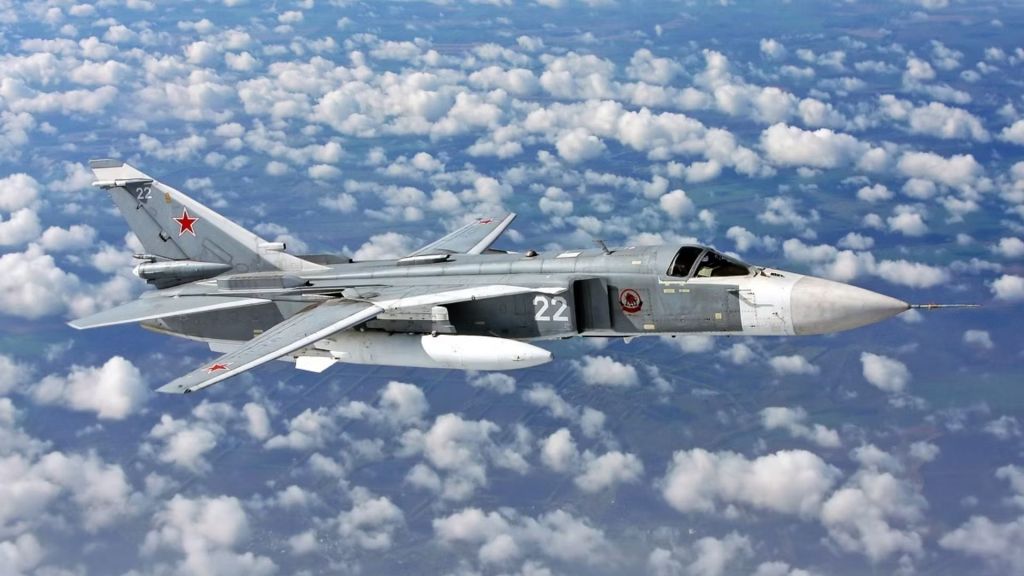
Syria was another recipient of Su-24s during the Cold War, and these aircraft have seen extensive use by the Syrian Air Force in the ongoing and brutal Syrian Civil War. However, due to the immense wear and tear inflicted by the prolonged war, the number of operational Su-24s remaining in Syria might be limit.
Turkmenistan: A Nation with a Smaller Fleet
Turkmenistan, another Central Asian nation, acquired a smaller fleet of Su-24s after independence. These bombers contribute to the Turkmen Air Force’s attack capabilities, bolstering the nation’s aerial defence posture. However, information on the exact number of operational Su-24s in Turkmenistan is still being determine.
The Sukhoi Su-24, a veteran of numerous conflicts, remains a potent aerial platform in the arsenals of several countries. While some nations are phasing it out in favour of more advanced aircraft, the Su-24’s legacy as a robust and reliable attack bomber endures.
For in-depth analysis and insights into the maritime and aviation industry, explore OrbitsHub, a leading marine and aviation consultancy firm. Visit our website, OrbitsHub to learn more about our services.