Austria’s Maritime Trade

Austria, despite being a landlocked country, has a robust maritime trade network that relies on its well-connected river and canal systems. These waterways, including the Danube and its tributaries, provide vital transportation routes for goods entering and exiting the country. Austria’s strategic location in Central Europe allows it to serve as a gateway to Eastern European markets.
Maritime trade in Austria has experienced significant growth over the years, contributing to the country’s economic development. The ports in Austria serve as key hubs for import and export activities, facilitating the movement of goods across Europe. Let’s delve into the details of the seven major ports in Austria and the opportunities they offer.
Port of Vienna
The Port of Vienna, located on the Danube River, is the largest and busiest port in Austria. Because of its central location, it facilitates travel between Austria, the Black Sea, and the remainder of Europe. The port’s strategic location makes it an ideal gateway for goods entering and leaving Eastern Europe. Storage, handling, and customs clearance are just a few of the many services it provides.
Key Features of the Port of Vienna:
● Anchorage Depth: 23.2m
● Harbor Type: Coastal Breakwater
● Business Opportunities: 19 companies
The Port of Vienna has seen a surge in popularity in recent years, attracting numerous businesses looking to leverage its excellent infrastructure and logistics capabilities. The port’s extensive network of road and rail connections further enhances its appeal as a crucial logistics hub.
Port of Krems

Situated on the Danube River, the Port of Krems is another major player in Austria’s maritime trade. It connects Austria to countries like Germany, Slovakia, and Hungary, and it acts as a crucial link between Western and Eastern Europe. Transportation, warehousing, and cargo handling are just a few of the many services offered by the port.
Key Features of the Port of Krems:
● Anchorage Depth: 21.6m – 22.9m
● Harbor Type: Coastal Natural
● Business Opportunities: 25 companies
The Port of Krems has witnessed a rise in popularity in recent years, attracting businesses from various industries. Given its advantageous location, state-of-the-art facilities, and effective logistics services, it will be a great choice for companies seeking to increase their footprint in Europe.
Port of Enns
Located on the Enns River, the Port of Enns is one of Austria’s key inland ports. It serves as an important logistics hub, connecting Austria to the Czech Republic and other Eastern European countries. The port provides a range of services, including cargo handling, storage, and distribution.
Key Features of the Port of Enns:
● Anchorage Depth: 20.1m – 21.3m
● Harbor Type: Coastal Tide Gate
● Business Opportunities: 33 companies
Many companies that deal in import and export find the Port of Enns to be an attractive option due to its efficient logistics solutions and great infrastructure. Its strategic location and well-connected transportation network contribute to its growing popularity among traders and shippers.
Port of Linz

As the largest port on the Upper Danube, the Port of Linz plays a crucial role in Austria’s maritime trade. It serves as a significant transshipment point for goods entering and leaving Austria. Various types of cargo, such as bulk goods, containers, and general cargo, are handled by the port.
Key Features of the Port of Linz:
● Anchorage Depth: No information available
● Harbor Type: No information available
● Business Opportunities: 36 companies
The Port of Linz offers state-of-the-art facilities and a comprehensive range of services, including warehousing, customs clearance, and transportation. Businesses seeking to optimize their supply chain often choose it due to its strategic location and well-established infrastructure.
Port of Salzburg
Although Salzburg is a landlocked city, it has a well-developed port on the Salzach River. The Port of Salzburg serves as an important logistics hub, connecting Austria to the rest of Europe. It offers a range of services, including cargo handling, storage, and distribution.
Key Features of the Port of Salzburg:
● Anchorage Depth: No information available
● Harbor Type: No information available
● Business Opportunities: No information available
The Port of Salzburg provides efficient logistics solutions, enabling businesses to access global markets through its well-connected transportation network. Its proximity to major road and rail networks further enhances its appeal as a strategic inland port.
Port of Wels
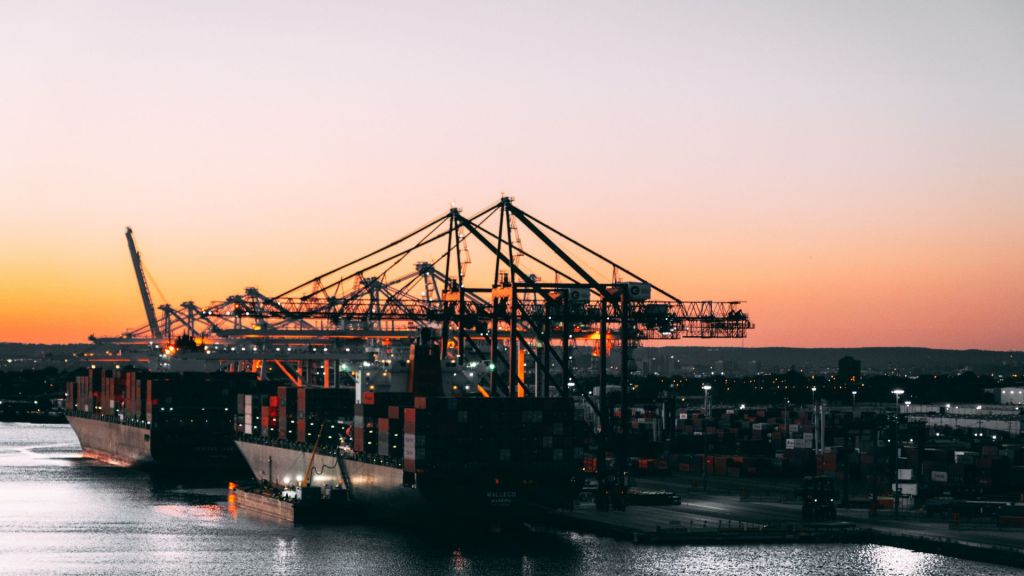
The Port of Wels, located on the Traun River, is a key transportation hub in Austria. It serves as an important link between the Danube and the Alpine regions. Among the many services provided by the port are those for the handling, storage, and distribution of cargo.
Key Features of the Port of Wels:
● Anchorage Depth: No information available
● Harbor Type: No information available
● Business Opportunities: No information available
The Port of Wels acts as a vital logistics hub, facilitating the movement of goods between Austria and neighboring countries. Businesses engaged in international trade find it an appealing option due to its strategic location and excellent connectivity.
Port of Graz
Located on the Mur River, the Port of Graz is a significant inland port in Austria. It serves as a crucial logistics hub, connecting Austria to the rest of Europe. Cargo handling, storage, and distribution are just a few of the many services offered by the port.
Key Features of the Port of Graz:
● Anchorage Depth: No information available
● Harbor Type: No information available
● Business Opportunities: No information available
The Port of Graz provides efficient logistics solutions, enabling businesses to access global markets through its well-connected transportation network. Its prime location and well-developed infrastructure make it a popular option among logistics providers and traders.
While Austria may not have direct access to the sea, its well-developed ports and inland waterways provide crucial connections to global markets. The seven major ports in Austria, including the Port of Vienna, Port of Krems, Port of Enns, Port of Linz, Port of Salzburg, Port of Wels, and Port of Graz, play a vital role in facilitating trade and driving the country’s economic growth.
These ports offer a wide range of services, including cargo handling, storage, and distribution, making them attractive choices for businesses involved in import and export activities. Their strategic locations, excellent infrastructure, and efficient logistics services position them as key players in Austria’s maritime trade.
With Austria’s growing importance as a logistics hub in Central Europe, these ports will be crucial for connecting businesses to global markets and facilitating international trade.
Austria’s major ports offer excellent opportunities for businesses involved in import and export activities. With their strategic locations, state-of-the-art facilities, and efficient logistics services, these ports serve as crucial gateways to global markets. Whether you are a trader, shipper, or logistics provider, exploring the business opportunities offered by these ports can help you expand your reach and drive growth in the competitive world of international trade.