

Historical Overview

The origins of Graz trace back to the 9th century, with the city’s name deriving from the Slavic term ‘grades,’ meaning ‘small fortress.’ In the Middle Ages, Graz evolved into a bustling commercial center under the rule of the Habsburgs, with its growth accelerating in the 17th and 18th centuries. During the Napoleonic Wars, the city’s fortifications were destroyed, and Graz evolved into a prominent trade and industrial center.
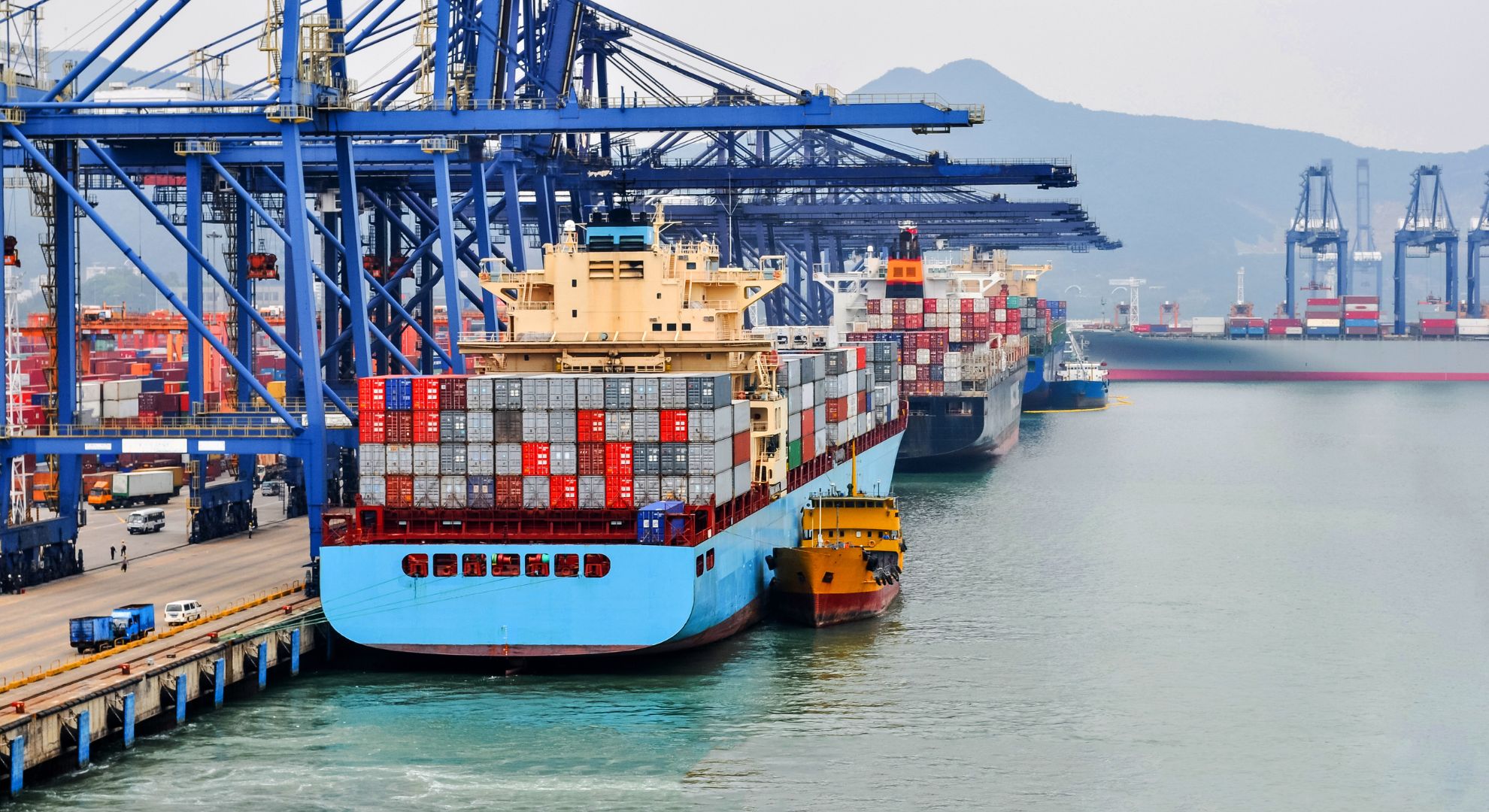
The city’s connection to the sea was established in 2003 with the inauguration of the Terminal Graz South. This terminal, located on the Baltic-Adriatic axis, quickly became a significant logistics center for Styria and the wider Southeast European economic region. The terminal’s strategic location and excellent facilities have made it a pivotal part of the international cargo transport network.
Geography and Location
The Port of Graz is nestled between the Styrian Alps and the fertile Grazerfeld basin, lying approximately 150 km southwest of Vienna. This strategic location, combined with its proximity to the Pyhrn motorway (A 9), connects the port directly to the high-level road network, facilitating easy and efficient transportation of goods.
Moreover, the port’s location on the Baltic-Adriatic axis places it on one of the key transportation corridors in Europe. This makes the Port of Graz a crucial node in the continental transport network, facilitating the movement of goods between Northern Europe, the Mediterranean, and beyond.
Infrastructure and Facilities
The Port of Graz is equipped with state-of-the-art facilities designed to handle a wide variety of goods. It features two gantry cranes with a lifting capacity of 45 tonnes each, four full-train length tracks for cargo handling, and extensive storage space.
The terminal also includes a comprehensive railway infrastructure spanning approximately 17 km, with more than 50 switches controlled remotely by dispatchers. This robust infrastructure enables efficient handling of incoming and outgoing trains, freight wagon transfers, and maintenance of railway tracks.
In addition, the port offers services related to container handling, such as container inspection, repair, cleaning, and equipment. The establishment of a dedicated container service has ensured high-quality repair work and efficient servicing, catering to the needs of major shipping companies.
Services and Operations
The core operations at the Port of Graz focus on the transshipment of shipping units between rail and road. This includes dispatch, organization of pre- and post-rail hauls on the road, transshipment of containers, swap bodies and semi-trailers between rail and road, and storage.
The port also offers rail operations, including train dispatch and shunting, handling of incoming and outbound trains, transfer of freight wagons to the changeable tracks, reserve car parking, and maintenance and servicing of railway tracks.
Moreover, the Port of Graz operates an empty container depot and offers repair services. These comprehensive services ensure the high quality and efficiency of container-related operations, making the port a reliable partner for shipping companies.
Connectivity and Transport Routes
The Port of Graz is connected to numerous European harbors and terminals, offering a broad range of direct and indirect transport routes.
Direct connections with container trains include the Koper Shuttle, connecting Koper and Graz five times per week; the Neuss Shuttle, linking Neuss and Graz five times per week; and the North Sea Shuttle, connecting Bremerhaven/Hamburg, Vienna, Enns, and Graz several times per week. In addition, there’s the option for single wagon transport throughout Austria daily.
Economic Significance
The Port of Graz plays a vital role in Austria’s economy. Its strategic location, state-of-the-art facilities, and efficient operations have made it a major center for automobile development and production, precision and optical instruments manufacturing, machinery production, paper and textile industries, and chemical manufacturing.
Moreover, the port facilitates trade in cereal grains, fruit, and wine from the nearby hills, boosting the local agricultural sector. It also contributes to the tourism industry, attracting visitors keen to learn about its operations and significance.
Future Prospects

The Port of Graz is in a good position to grow and adapt as the global trade landscape changes. Its strategic location, excellent facilities, and commitment to efficient, reliable service ensure that it will continue to play a crucial role in Austria’s economy and the global transport network.
The Port of Graz is more than just a port. It is a testament to the power of strategic planning, technological innovation, and global cooperation. It continues to be a symbol of Austria’s economic might and worldwide connectedness as it develops and adjusts to the shifting conditions of international trade.


