Vizhinjam Port, nestled along the picturesque coastline of Kerala, has emerged as a transformative force in India’s maritime domain. This strategically positioned port, located on the shores of the Arabian Sea, has witnessed a remarkable evolution propelled by technological advancements and strategic planning. Serving as a pivotal gateway for trade and commerce, Vizhinjam Port stands as a testament to India’s commitment to modernizing its maritime infrastructure.
Historical Significance of Vizhinjam Port
Vizhinjam Port, nestled on the southern coast of Kerala, India, has held historical significance for centuries. Because of its convenient position, it has served as an essential port for marine trade and commerce since ancient times. Here are some key points about the historical significance of Vizhinjam Port:
a. Ancient Trade Hub: Vizhinjam’s history as a trading port can be traced back to at least the 8th century AD. It was a vital trade link between Kerala and foreign merchants, mainly the Arabs and Chinese. The port was pivotal in the spice trade, exporting spices like black pepper and cardamom to distant lands.
b. Influence of Foreign Powers: Over the centuries, Vizhinjam fell under the influence of various foreign powers, including the Portuguese, Dutch, and British. These colonial rulers recognized its strategic importance and contributed to its development.

c. Temple Complex: Vizhinjam has an old Shiva temple with a lot of history. The temple to Shiva is a work of art. It is thought that the Cholas built it in the 180th century.
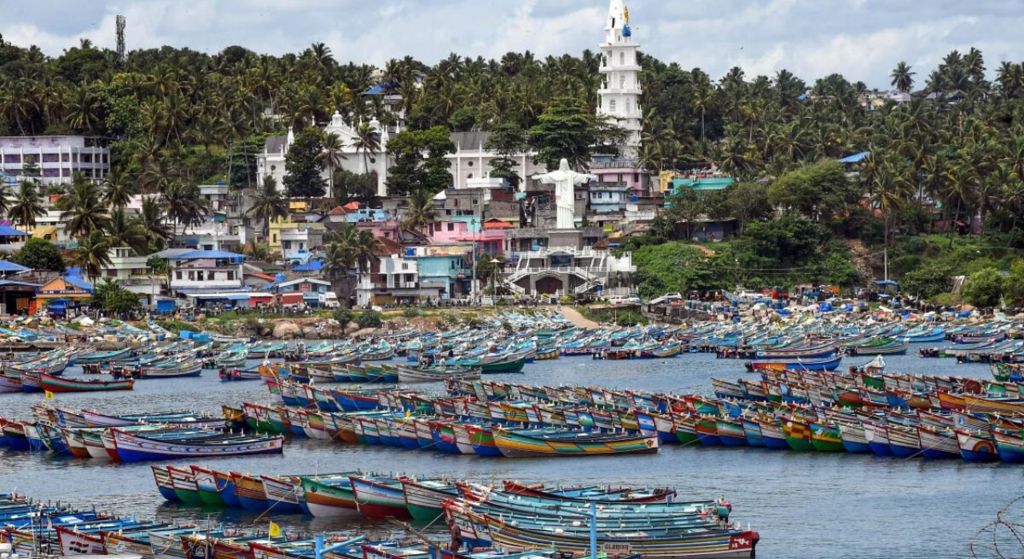
d. Fishing Community: The coastal village of Vizhinjam has a deep-rooted fishing community that has relied on the sea for sustenance and livelihood for generations. Fishing and associated activities have been integral to the port’s history.
e. Modern Development: While the historical significance of Vizhinjam as a trade hub has endured, it has also evolved with time. The Kerala government’s efforts to modernize the port and transform it into a significant international transshipment terminal are a testament to its continued importance.
In summary, Vizhinjam Port’s historical significance is a blend of ancient maritime trade, colonial influences, cultural heritage, and its enduring role as a critical economic asset for Kerala.
Key Features and Infrastructure of Vizhinjam Port
Vizhinjam Port, located on the southwestern coast of India in Kerala’s Thiruvananthapuram district, boasts various crucial features and world-class infrastructure. Here are some notable points highlighting its key features:
a. Deep-Sea Port: Vizhinjam is a deep-sea port which can accommodate large vessels, including container ships and bulk carriers. Its natural depth and location make it ideal for international trade.
b. Transshipment Hub: One of its most significant features is its role as a transshipment terminal. Vizhinjam is strategically positioned on the international shipping route, making it an ideal hub for transferring cargo from larger vessels to smaller ones destined for other ports in India and the region.
c. Multipurpose Terminal: Containers, autos, and bulk goods like coal and fertilizers are all within the scope of the port’s capabilities. This versatility enhances its economic viability and attractiveness to various industries.
d. State-of-the-Art Facilities: Vizhinjam Port boasts state-of-the-art facilities, including modern container handling equipment, warehouses, and storage yards. These facilities ensure efficient and safe cargo handling operations.
e. Connectivity: The port is well-connected by road, rail, and air. It is located near the national highway and has a railhead, facilitating seamless cargo transportation to and from the port. The Thiruvananthapuram International Airport is also within a short distance.
f. Eco-Friendly Initiatives: Vizhinjam Port has incorporated eco-friendly practices into its design and operations. Measures like constructing breakwaters to prevent coastal erosion and the preservation of marine ecosystems demonstrate its commitment to sustainability.
g. Economic Benefits: The port’s modern infrastructure and transshipment capabilities have the potential to significantly boost trade and industrial activities in Kerala, creating employment opportunities and contributing to the state’s economic growth.
Economic Impact: How Vizhinjam Port Boosts Economy
Port Vizhinjam, situated on the southwestern coast of Kerala, India, has emerged as a pivotal driver of economic growth for the state. Its strategic location and world-class infrastructure have had a profound impact on Kerala’s economy, contributing to its development in several ways:
a. Trade Facilitation: Vizhinjam Port is a primary gateway for international trade, enabling the importing and exporting goods to and from Kerala. This facilitates global trade and connects Kerala to international markets, boosting the state’s economy.
b. Employment Generation: The development and operation of Vizhinjam Port have created many direct and indirect job opportunities. From port workers and logistics staff to professionals in related industries, the port has become a significant source of employment in the region.
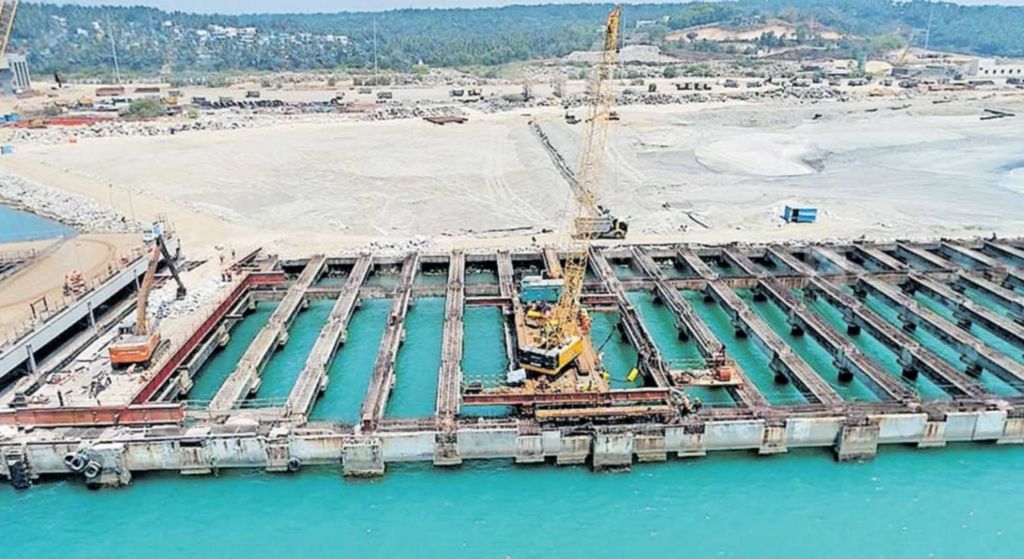
c. Industrial Growth: The port’s presence has attracted industries and businesses to the region. Manufacturing, logistics, and warehousing companies have established operations near the port, leading to industrial growth and investment.
d. Transshipment Hub: Vizhinjam’s status as a transshipment hub means it plays a crucial role in consolidating cargo from large vessels to smaller ones destined for other Indian ports. This function reduces transportation costs and time, making it an attractive option for international shipping lines.
e. Revenue Generation: The port generates substantial revenue for the Kerala government through various channels, including cargo handling fees, lease agreements, and taxes. This revenue can be reinvested in infrastructure development and public services.
f. Tourism Boost: The development of Vizhinjam Port has also enhanced the region’s tourism potential. Tourists are drawn to the port and nearby attractions, such as the Vizhinjam Lighthouse and the picturesque coastline, contributing to the local economy through tourism-related activities.
g. Connectivity: Vizhinjam Port’s excellent connectivity by road, rail, and air facilitates the efficient movement of goods within Kerala and other parts of India. This connectivity is essential for the growth of industries and trade in the state.
Technological Advancements at Vizhinjam Port
Vizhinjam Port, situated on the Arabian Sea coast, plays a pivotal role in India’s trade and commerce, connecting the country to international markets. Infusing cutting-edge technologies has significantly enhanced the port’s efficiency and capacity.
- Automated Container Handling Systems: Vizhinjam Port has implemented advanced container handling systems that employ automation and robotics. This includes computerized cranes and robotic arms for loading and unloading containers from ships. This reduces turnaround time, minimizes manual labour, and ensures precision in cargo handling.
- Smart Port Management Systems: The port has adopted sophisticated real-time monitoring and management software solutions. These systems integrate various functions, including vessel tracking, inventory management, and traffic control. This enables seamless coordination between different departments and ensures smooth operations.
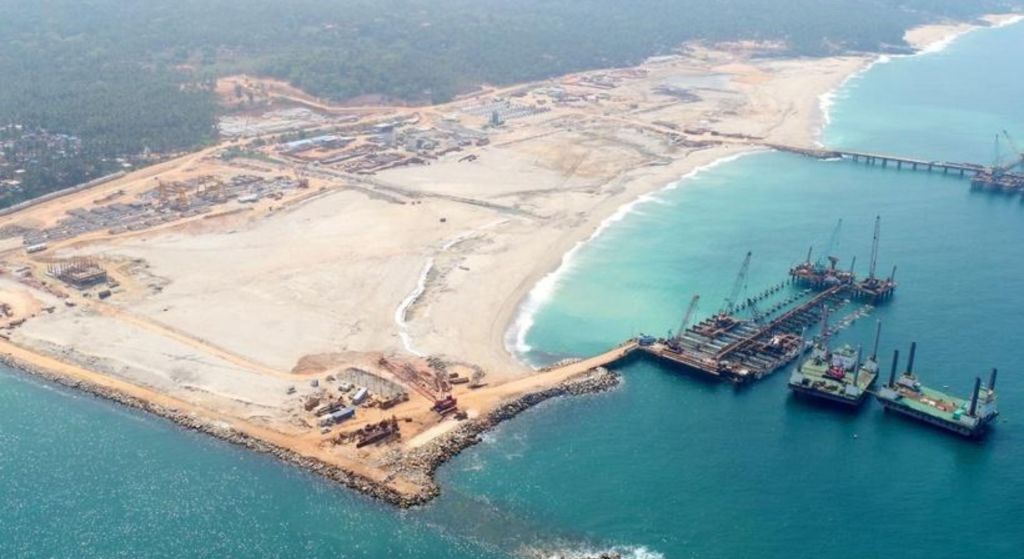
3. Dredging and Deepening Techniques: Technological innovations in dredging have been pivotal in enhancing the port’s accessibility to larger vessels. Advanced dredgers equipped with precision GPS systems ensure that the channel and berths are maintained at optimal depths, accommodating mega container ships.
4. Green Initiatives and Sustainability: Vizhinjam Port has embraced eco-friendly practices by incorporating renewable energy sources. The port’s carbon footprint has been reduced thanks to installing solar panels and wind turbines, which create renewable energy. Water recycling and waste management systems have also been implemented to minimize environmental impact.
5. AI-Powered Predictive Analytics: The port uses AI and ML techniques for forecasting and improving efficiency. This includes demand forecasting, maintenance schedules, and traffic management. These predictive analytics tools help make informed decisions, increasing overall efficiency.
6. Security and Surveillance Systems: All workers, goods, and infrastructure are protected by cutting-edge security systems. Advanced surveillance cameras, access control systems, and biometric authentication technologies bolster security efforts.
7. Digital Documentation and Cargo Tracking: Vizhinjam Port has transitioned to a paperless documentation and cargo tracking system. Blockchain technology is employed to secure and streamline transactions, ensuring transparency and reducing administrative overheads.
FAQs:

1. What is the significance of Vizhinjam Port in India’s maritime trade?
Vizhinjam Port holds immense strategic importance in India’s maritime trade due to its strategic location along the Arabian Sea. It serves as a vital gateway connecting India to international markets, facilitating seamless trade routes and reducing transit times for cargo ships.
2. What technological advancements have been instrumental in transforming Vizhinjam Port?
Vizhinjam Port has witnessed many technological advancements, including automated container handling systems, innovative port management software, and AI-powered predictive analytics. These innovations have significantly enhanced the port’s efficiency, capacity, and operational effectiveness.
3. How has Vizhinjam Port embraced sustainability and eco-friendly practices?
The port has implemented several green initiatives, such as installing solar panels, wind turbines, and robust waste management systems. These measures reduce the port’s environmental impact and contribute to a more sustainable maritime industry.
4. How does Vizhinjam Port prioritize security and safety measures?
Vizhinjam Port has invested in state-of-the-art security systems, including advanced surveillance cameras, access control mechanisms, and biometric authentication technologies. These measures are in place to safeguard personnel, cargo, and critical infrastructure.
5. What role does digital documentation play in the operations of Vizhinjam Port?
Vizhinjam Port has transitioned to a digital documentation system, eliminating the need for paper-based processes. Blockchain technology is employed to secure and streamline transactions, ensuring transparency and efficiency in administrative operations.
6. How does Vizhinjam Port contribute to India’s economic growth and development?
By serving as a critical hub for maritime trade, Vizhinjam Port plays a crucial role in driving economic growth. It facilitates smoother import and export processes, stimulates regional development, and creates employment opportunities, contributing significantly to India’s economic prosperity.
Vizhinjam Port Kerala is a beacon of progress in India’s maritime landscape. Through strategic planning and technological innovation, it has evolved into a game-changer, revolutionizing the way India engages in international trade. Integrating cutting-edge technologies, sustainable practices, and robust security measures ensures that Vizhinjam Port plays a pivotal role in India’s economic growth and global connectivity.