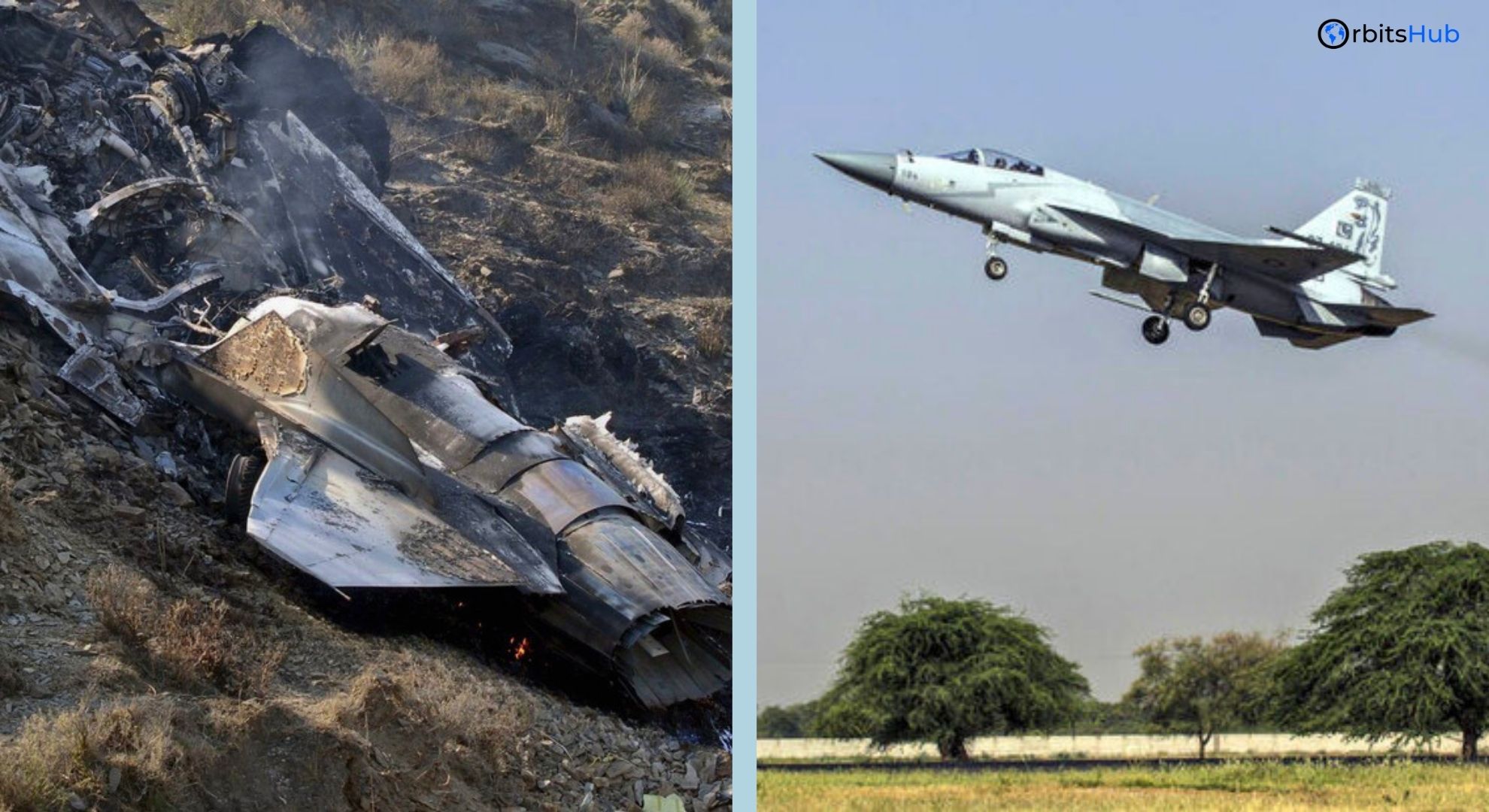
After a reported crash on June 5, 2024, the Pakistan-China JF-17 Thunder multi-role combat aircraft has been criticized. While social media videos depicting the incident have circulated, the Pakistan Air Force (PAF) and other official sources have remained conspicuously silent, raising concerns about transparency and accountability.
Incident Overview: JF-17
On that date, the Indian Defence Research Wing (IDRW) reported a PAF JF-17 fighter plane accident in Jhang, Pakistan. However, neither the PAF nor any Pakistani media outlet has acknowledged or provided official confirmation of the incident. Martin-Baker, the British manufacturer of the aircraft’s ejection seat, has also refrained from mentioning the event in its “EJECTION NOTICES” section, where successful seat deployments are typically reported.
Transparency Concerns
The PAF’s motives have been doubted due to the lack of openness around this reported disaster. Some analysts suggest that the PAF may be intentionally concealing the incident to protect the export image of the JF-17, which has been actively marketed to potential international buyers.
Historically, Martin-Baker has relied on operating forces to confirm the use of their ejection seats. However, in this case, the absence of independent verification from the manufacturer has fueled speculation and concerns about the credibility of the information.
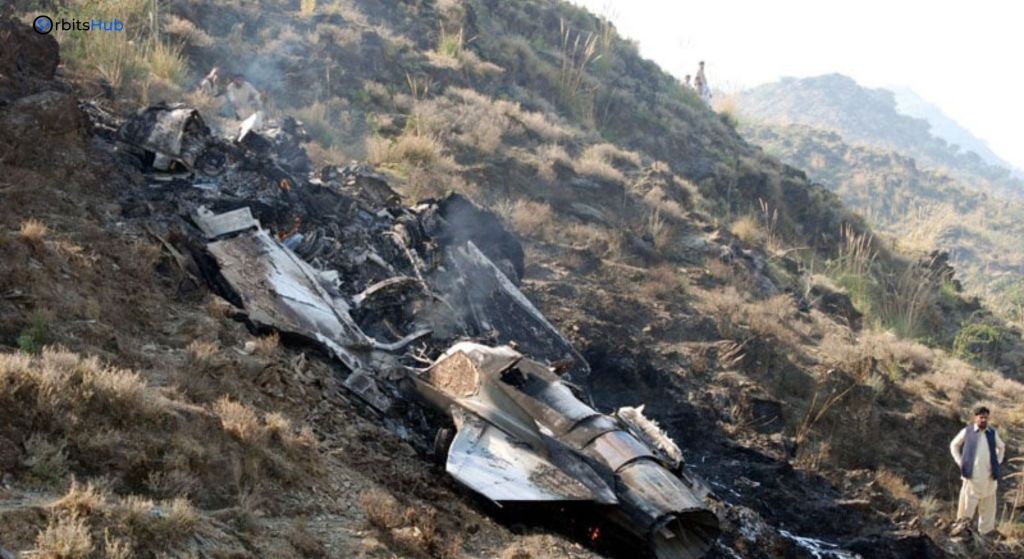
Previous Incidents and Acknowledgments
It is worth noting that Martin-Baker acknowledged successful ejections from previous JF-17 crashes in August 2021 and September 2020. This precedent further highlights the unusual nature of the current silence surrounding the alleged June 2024 incident.
Importance of Transparency: PAK JF-17
Being upfront about crashes and correcting technological issues is essential to maintaining public trust and pilot and staff safety. One export customer, the Myanmar Air Force, has cited vertical stabilizer faults with the JF-17.
Please address problems publicly to protect the JF-17 program’s credibility and export chances. The current situation questions the PAF’s responsibility and pilots’ safety.
International Implications
Pakistan is proud of the JF-17’s export potential, which has helped boost its defence sector. However, the suspected crash cover-up could damage the aircraft’s international reputation and sales.
Potential purchasers may be wary of a secretive platform, especially if occurrences disclose design or operational faults. Trust and long-term collaborations in the global military sector require transparency and open communication.
Call for Accountability: JF-17 Crash
PAF and other stakeholders want accountability and openness in the JF-17 mishap story. Openly addressing issues and providing accurate information is crucial for public trust and pilot and crew safety.

Transparency and admissions reflect the PAF and stakeholders’ commitment to progress and address fundamental issues. This policy legitimizes JF-17 and sets a precedent for future defence initiatives and international partnerships.
Technical Challenges and Improvements: JF-17 Fighter
Despite its considerable capabilities and affordability, the JF-17 faces technical problems and requires constant development like any sophisticated aerospace system. Openly discussing challenges can improve design, manufacturing, and operations.
Open communication and collaboration can help the JF-17 program gain information and experience, improving performance, dependability, and safety.
Pilot Safety Paramount
Above all, the safety of pilots and crew members should be the top priority of any aviation program. Concealing incidents or downplaying concerns can put lives at risk and erode trust within the military aviation community.
Transparent reporting, thorough investigations into incidents, and swift implementation of corrective measures are essential for ensuring the well-being of those entrusted with operating these advanced fighter aircraft.
Mutation and Export Considerations
Protecting the JF-17’s export image is understandable, but transparency and accountability should trump short-term profits. Openness and proactive problem-solving can boost the aircraft’s global appeal.
Buyers favour platforms with a track record of continual improvement and transparent problem-solving. Transparency helps the JF-17 program build trust with international clients.

Collaborative Approach and Knowledge Sharing
Developing and operating advanced combat aircraft often involve international collaborations and knowledge sharing. By fostering an open and transparent environment, the JF-17 program can benefit from the collective expertise of its partners and stakeholders.
Sharing information about incidents, lessons learned, and best practices can advance aerospace technology and enhance the safety and effectiveness of military aviation programs worldwide.
Setting Industry Standards: JF 17 Fighter Jet
The JF-17 program can demonstrate transparency and accountability in the defence sector. A proactive and open response to events and issues can help the PAF and its partners lead in safety, reliability, and confidence. This approach improves the JF-17 program, raises industry standards, and promotes continual improvement in the global aerospace and defence sectors.
Pakistani defence silence and the possible JF-17 disaster raise transparency and accountability concerns. Accident concealment endangers pilots, the program, and public trust. JF-17 combat aircraft can gain credibility with strong PAF and partner expansion announcements and replies. This enhances plane performance, safety, and buyer/partner trust. JF-17’s goals are teamwork, transparency, and responsibility. Aviation and industrial safety and reliability may help PAF and allies promote the JF-17 as a global defence option.
Ready to navigate the skies and seas with expert guidance? Explore orbitshub.com now for top-tier maritime and aviation consultancy services. Get in touch to embark on a journey of innovation and excellence!