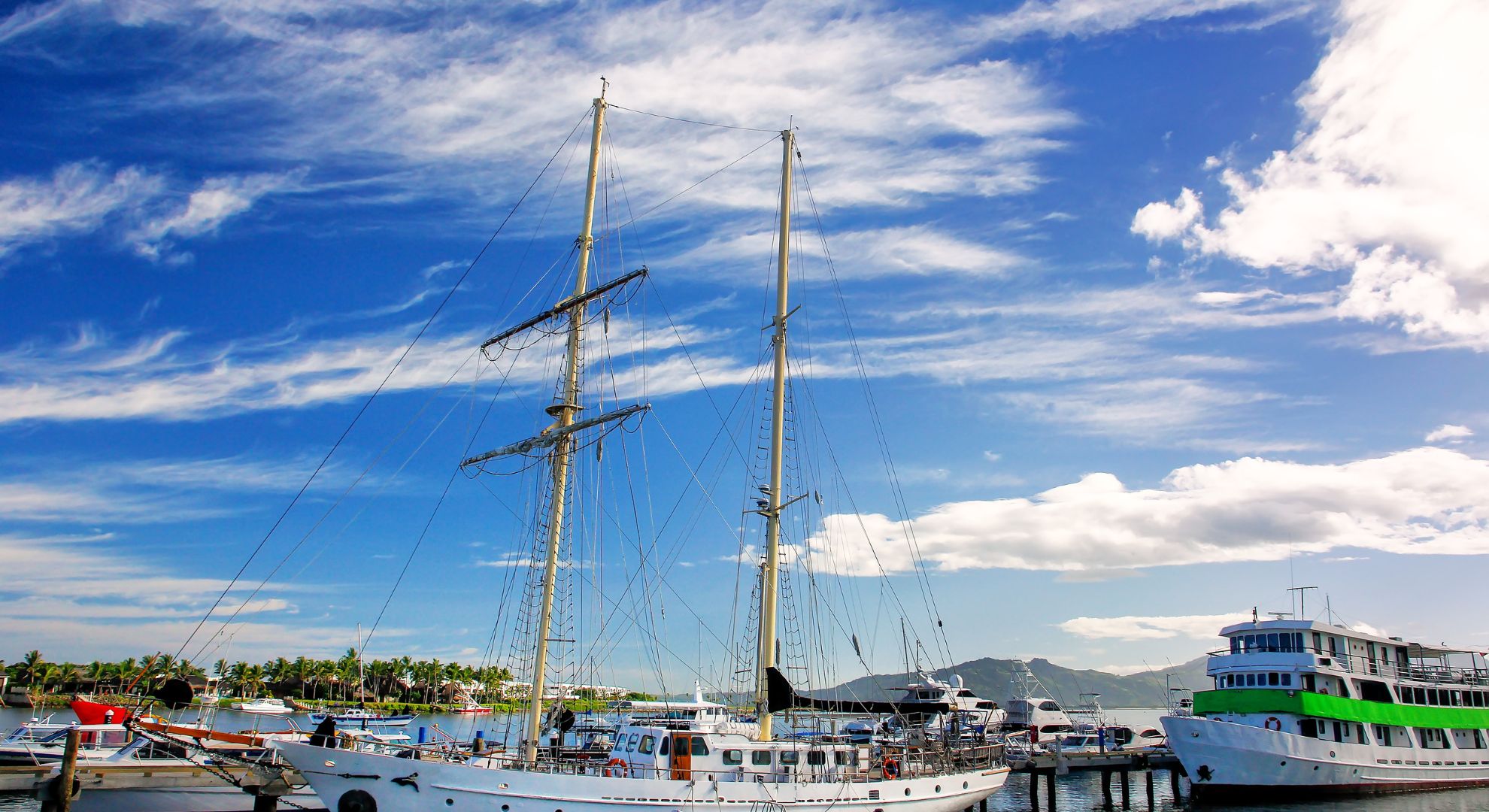

Port of Suva
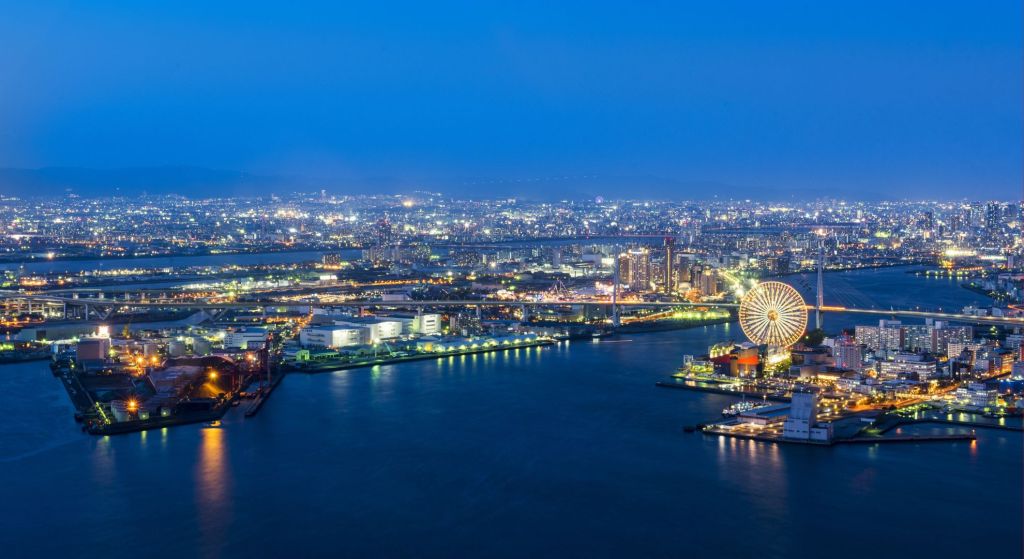
The Port of Suva is on the southern coast of Viti Levu, Fiji’s biggest island. It is the main port where marine trade enters the country. Originating in the late 19th century under British colonial control, Suva Port has developed into a thriving center that processes goods, fishing boats, and cruise ships. Its strategic location in the capital city of Suva facilitates seamless connectivity with international markets, bolstering Fiji’s economy through imports, exports, and tourism.
Port of Lautoka
Port of Lautoka, on Viti Levu’s western coast, is the second-largest port in Fiji and an important hub for the country’s sugar and tourism industries. With modern facilities and deep-water berths, Lautoka Port accommodates large cargo vessels, container ships, and cruise liners. The port’s proximity to Nadi International Airport enhances logistical efficiency, supporting the flow of goods and passengers to and from Fiji’s renowned tourist destinations.
Port of Nadi
Situated near Fiji’s tourism hotspot of Nadi, this port serves as a vital transportation hub for both passengers and cargo. While smaller in scale compared to Suva and Lautoka, the Port of Nadi plays a crucial role in facilitating tourism-related activities, particularly for travelers arriving by sea or air. Its strategic location offers convenient access to popular resorts, cultural attractions, and adventure excursions, contributing to Fiji’s thriving tourism sector.
Port of Denarau:
Nestled on the western coast of Viti Levu, the Port of Denarau is renowned for its luxury marina and resort facilities. Designed to accommodate private yachts, superyachts, and cruise ships, Denarau Port caters to high-end tourism clientele seeking unparalleled experiences in Fiji’s tropical paradise. From world-class dining and shopping to championship golf courses and pristine beaches, Denarau Port epitomizes luxury and leisure in the South Pacific.
Port of Levuka
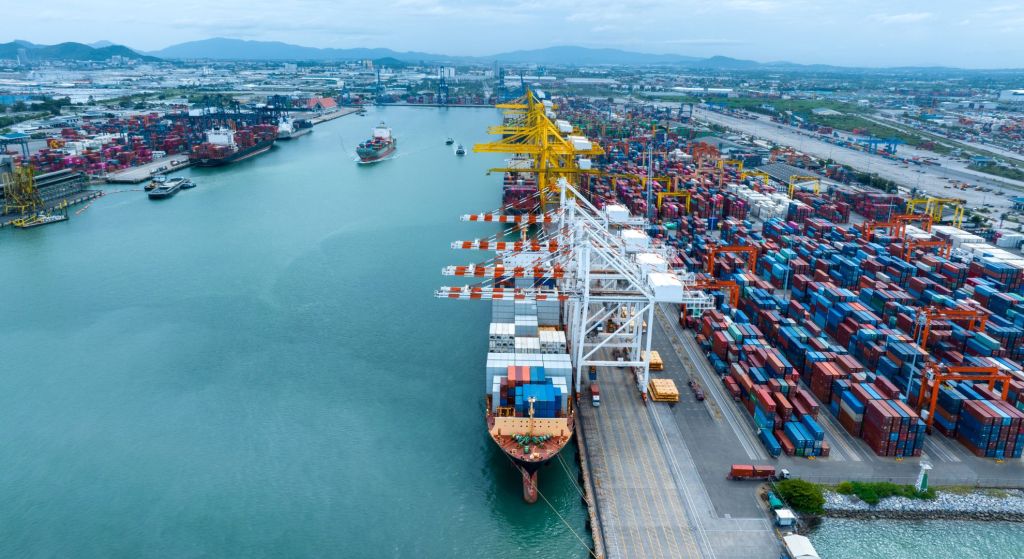
Steeped in history and charm, the Port of Levuka holds the distinction of being Fiji’s first capital and a UNESCO World Heritage Site. This historic port is on the eastern coast of Ovalau Island. It has buildings and cultural landmarks from the colonial past that have been well preserved. While no longer a bustling commercial hub, Levuka Port welcomes cruise ships and visitors eager to immerse themselves in Fiji’s rich heritage and maritime legacy.
Port of Savusavu
The secret gem that is the Port of Savusavu is on the island of Vanua Levu. It is known for its natural beauty and loose vibe. Sheltered within a picturesque bay, Savusavu Port serves as a gateway to Fiji’s northern islands and remote communities. Yacht enthusiasts flock to this tranquil port, drawn by its pristine waters, coral reefs, and world-class diving spots. From eco-adventures to cultural encounters, Savusavu Port offers a glimpse into Fiji’s unspoiled wilderness and traditional way of life.
Port of Malau
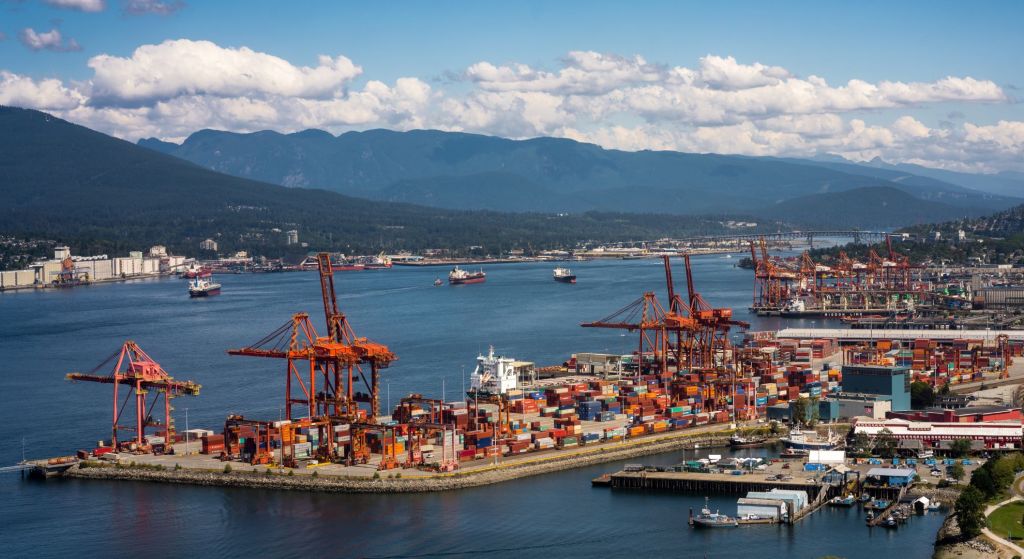
Located in the northernmost reaches of Fiji’s archipelago, the Port of Malau serves as a vital link to the Lau Group of islands. Despite its remote location, Malau Port plays a crucial role in facilitating inter-island transportation and trade, connecting isolated communities with essential goods and services. Accessible only by sea or air, Malau Port embodies the spirit of resilience and resourcefulness that defines Fiji’s maritime heritage.
Fiji’s major ports, we come away with a deeper appreciation for the nation’s maritime heritage and economic significance. From the bustling metropolis of Suva to the tranquil shores of Savusavu, each port tells a unique story of commerce, culture, and connectivity in the South Pacific. As Fiji continues to make its way in the world, its ports remain strong anchors, connecting customs and progress and welcoming visitors from far away to experience the magic of the islands.