


The Gulf of Bothnia, the northernmost arm of the Baltic Sea, is a fascinating body of water with distinct hydrological features that set it apart from other marine environments. This 1000-word exploration will delve into seven unique characteristics that define the Gulf’s hydrology, supported by relevant statistics, and conclude with frequently asked questions.
Exceptionally Low Salinity
One of the most striking features of the Gulf of Bothnia is its remarkably low salinity, resulting from its geographical location and the significant freshwater input from numerous rivers. The salinity gradient in the Gulf is quite pronounced:
- Southern part: 4-5 parts per 1,000
- Northern part: 1-3 parts per 1,000
This salinity level is significantly lower than the open ocean, which averages around 35 parts per 1,000. The low salinity creates a unique brackish environment that supports marine and freshwater species, including fish like pike, whitefish, and perch, which are typically found in freshwater habitats.
Extensive Ice Cover
The Gulf of Bothnia experiences extensive ice cover during winter months, a characteristic that profoundly influences its hydrology and ecosystem:
Significant Freshwater Input
The Gulf receives an enormous amount of freshwater from numerous rivers, which is a key factor in its low salinity and unique hydrological regime:
- Major contributing rivers: Kemijoki, Lule, Torne, and Oulu
- Annual freshwater input: Approximately 660 km³
This substantial freshwater influx dilutes the seawater and carries nutrients and sediments from the surrounding landmass, influencing the Gulf’s productivity and geochemistry.
Shallow Depth Profile
The Gulf of Bothnia is characterized by its relatively shallow depth, which affects water circulation, mixing, and ecological processes:
- Average depth: Approximately 60 meters (200 feet)
- Maximum depth: 295 meters (965 feet) in the west-central portion
This shallow profile, combined with the freshwater input and low salinity, creates a unique hydrodynamic environment that influences everything from nutrient cycling to the distribution of marine life.
Strong Seasonal Temperature Fluctuations

The Gulf experiences dramatic seasonal temperature changes, which have a profound impact on its hydrology and ecosystem:
- Winter: Temperatures near freezing, with extensive ice cover
- Summer: Surface temperatures can reach up to 20°C in some areas
These temperature fluctuations drive many of the Gulf’s ecological processes, including the timing of phytoplankton blooms, fish migrations, and breeding cycles of various species.
Isostatic Rebound and Changing Bathymetry
A unique geological process known as isostatic rebound is actively changing the Gulf’s bathymetry:
- Rate of land rise: Approximately 9 millimeters per year
- Long-term impact: The Gulf is gradually becoming shallower
This ongoing process, a result of the land rising after being depressed by glaciers during the last ice age, is slowly but significantly altering the Gulf’s hydrology. Over the next 2,000 years, the Gulf of Bothnia is predicted to transform into a large freshwater lake as its southern connection becomes shallower.
Distinct Water Circulation Patterns
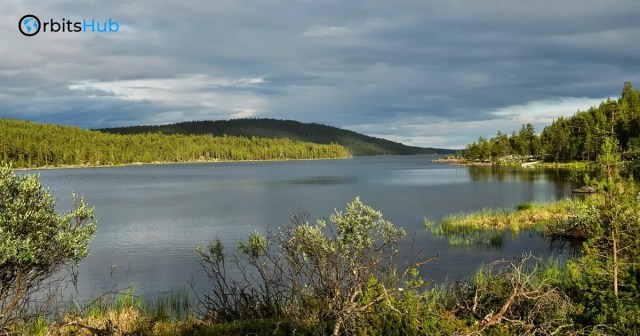
The Gulf of Bothnia exhibits unique circulation patterns due to its shape, freshwater input, and connection to the Baltic Sea:
- Surface water flow: Generally counterclockwise
- Profound water renewal: Infrequent and dependent on significant inflow events from the Baltic Proper
These circulation patterns are crucial in distributing nutrients, oxygen, and marine life throughout the Gulf. They also form distinct water masses with different properties at various depths.
Statistics at a Glance:
These unique hydrological characteristics of the Gulf of Bothnia create a complex and dynamic ecosystem that is both fragile and resilient. The interplay between freshwater input, low salinity, ice cover, and geological processes makes the Gulf a fascinating subject for scientific study and environmental conservation efforts.
The Gulf’s hydrology shapes its ecosystem and influences human activities in the region, from fishing and shipping to coastal development and environmental management. As climate change continues to affect global water systems, understanding and preserving the unique hydrological features of the Gulf of Bothnia becomes increasingly essential.
Frequently Asked Questions
The Gulf of Bothnia receives much fresh water from rivers, diluting seawater. Additionally, its limited connection to the Baltic Sea and the Atlantic Ocean restricts the inflow of saltier water.
Winter ice cover reduces light penetration, alters water temperature, and affects nutrient cycling. This influences the behavior and distribution of marine life, including the timing of phytoplankton blooms and fish migrations.
