Rich in Natural Resources
The West Philippine Sea holds lucrative deposits of oil and natural gas, though estimates vary on exactly how much. Optimistic assessments predict the contested Spratly Islands alone could harbor up to 17.7 billion tons of oil and natural gas reserves. There are also abundant fisheries within the West Philippine Sea, home to at least 10% of the world’s total fish catch. Competition over these natural resources fuels disputes between claimants like China, Taiwan, Vietnam, Malaysia and the Philippines.
Strategic Location
The South China Sea is a key passageway for international trade, with more than $50,00,00,00,00,000 worth of goods passing through it every year. Whoever controls these shipping lanes would have leverage over other claimant states. The West Philippine Sea also holds strategic military importance as aircraft and naval vessels from multiple countries conduct routine patrols in the region, which has witnessed direct confrontations between claimants on several occasions. Given its proximity to the Philippines, events in the West Philippine Sea directly impact the island nation’s national security and sovereignty.
Disputed Territory
The overlapping boundaries and claims over islands, waters, seabed and natural resources in the West Philippine Sea make it one of Asia’s most complex territorial disputes. China stakes ownership over areas falling under its expansive “nine dash line”, which runs along the coasts of other Southeast Asian countries. The Philippines relies largely on proximity to assert rights over features within its 200 nautical mile Exclusive Economic Zone under international law. Rival claims have led to military buildups, diplomatic rows and delicate negotiations to manage tensions.
Impact of Climate Change

The biodiverse marine environments of the West Philippine Sea face escalating threats, including destructive harvesting practices and environmental degradation due to global warming. Warming, increasingly acidic oceans are damaging fragile coral reef ecosystems through bleaching events. Meanwhile rising sea levels could submerge many low-lying islands across the Spratlys and Paracels entirely by the year 2100, fundamentally altering geography critical to supporting some countries’ territorial claims. Addressing climate change is crucial to the survival of unique habitats across this globally important sea.
Biodiversity Hotspot
Teeming with marine life sustaining vital fisheries, the West Philippine Sea boasts stunning coral reefs with over 1,000 fish species identified so far. Endangered sea turtles swim its warm waters, while threatened migratory seabirds like the Chinese crested tern nest on remote isles each breeding season. Its islands also nurture rare wildlife found nowhere else on Earth, including the Philippine mouse deer and Palawan peacock pheasant. While offering abundant natural riches, delicate ecosystems across the contested sea demand careful guardianship.
Potential for Tourism
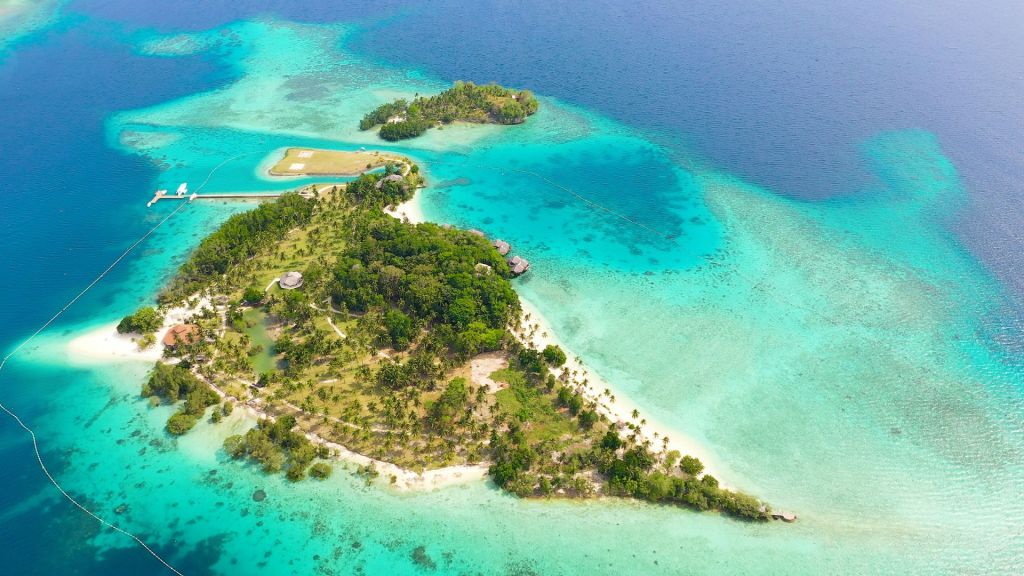
Dotted with pristine islands fringed with white sand beaches and bathed by clear azure waters, the Spratlys and Paracels possess tremendous tourism appeal. Philippine occupied features such as Thitu Island and Flat Island host small civilian populations reliant on fishing and subsistence agriculture. Vietnam has boldly begun offering cruise tours to the disputed islands they occupy as well. However, military brinkmanship and naval encounters occasionally erupting in the contested sea threatens the prospects of it one day becoming a tourist destination.
Archaeological Wonders
The West Philippine Sea harbors secrets below the waves too, with shipwrecks and relics that offer portals into regional history and maritime trade routes. The British East India company vessel HMS Resolution sank in the Spratlys during a typhoon in 1782 for example. While claims of discovering ancient Chinese ceramics across the contested sea form part of China’s bid to cement historical rights predating other claimants. Underwater sites could one day help archaeologists piece together connections bridging diverse Asian civilizations over the centuries through artifacts preserved beneath the waves.
Frontier for Scientific Research
With large swaths remaining unmapped and unexplored, the West Philippine Sea represents an oceanic frontier holding endless discoveries awaiting ambitious marine scientists. Its complex seafloor terrain dotted with deep trenches, underwater volcanoes and shifting tectonic plates provide prime sites to advance understanding of ocean dynamics, currents and marine life still little understood. Managing tensions to allow collaborative scientific efforts between claimant nations could unlock groundbreaking innovations for human progress and guardianship of fragile underwater habitats.
Why the West Philippine Sea matters

This hotly contested and environmentally threatened sea remains critical to regional security, economies and ecosystems. As claimant countries jockey for advantage amid shifting great power dynamics, the ultimate fate of the West Philippine Sea hangs in the balance. Will military brinkmanship recede to allow ecological stewardship and scientific progress? Can joint development zones pave the way to peacefully share natural resources one day? With open armed conflict an ever-present risk, careful statecraft guided by ecological awareness will be essential to navigating these turbulent waters. At stake is nothing less than stability across one of the world’s most strategically vital and biologically precious marine regions.