


A silent battle rages within their hulking metal hearts in the vast expanse of the world’s oceans, where massive ships traverse global trade routes. This is the story of marine engines and their intricate cooling systems, where water plays a crucial role in maintaining the delicate balance between power and temperature. At the center of this narrative lies a fascinating phenomenon known as water reversion—a challenge that has perplexed engineers and captivated the maritime industry for decades. “How can something as simple as water flow cause such complex problems?” you might ask. Well, buckle up because we’re about to dive deep into the world of marine engineering!
The Heartbeat of the Seas
Picture yourself standing in the cavernous engine room of a container ship. The deafening roar of the massive diesel engine fills the air, its pistons pumping with relentless force. This mechanical marvel, often stretching several stories high, is the lifeblood of global commerce. But with great power comes great heat, and managing this heat is a constant struggle against the laws of thermodynamics. “Is it getting hot in here, or is it just the engine?” an engineer might joke, but the reality is no laughing matter!
Marine engines, unlike their land-based counterparts, face unique challenges. They must operate continuously for weeks or even months, battling saltwater’s corrosive effects while maintaining peak efficiency. The cooling system is the unsung hero in this epic tale, working tirelessly to keep temperatures in check and ensure the engine’s longevity. As one seasoned captain said, “A ship without a proper cooling system is like a fish out of water—it won’t last long!”
Did you know a typical large container ship engine can generate up to 100,000 horsepower? That’s equivalent to the power of about 1,000 average cars! With such immense power comes equally immense heat – these engines can reach temperatures of up to 500°C (932°F) in some parts. It’s no wonder that cooling systems are so critical!
The Cooling Symphony
The marine engine cooling system is a complex network of pipes, pumps, and heat exchangers. At its core, it relies on a simple principle: using water to absorb and dissipate heat. But in the world of marine engineering, things are always complicated. “Who knew water could be so complicated?” you might exclaim!
Two main types of cooling systems are in use today: the traditional seawater cooling system and the more modern freshwater cooling system. In a seawater system, ocean water is drawn directly into the engine to cool it. While compelling, this method exposes the engine to the corrosive effects of saltwater. On the other hand, freshwater systems use a closed loop of treated freshwater to cool the engine, which is cooled by seawater in a separate heat exchanger.
According to recent industry statistics, approximately 70% of modern commercial vessels now use freshwater cooling systems due to their superior protection against corrosion and improved efficiency. Let’s visualize this data:
Cooling System Water Type Distribution
Interestingly, a study by the International Maritime Organization (IMO) found that ships using freshwater cooling systems have, on average, 15% lower corrosion maintenance costs than those using seawater systems. That’s a significant saving, considering that a large container ship can cost upwards of $150 million!
Enter the Reversion Conundrum
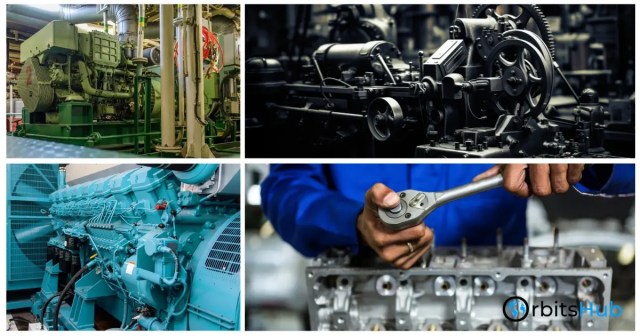
As we delve deeper into the intricacies of marine engine cooling, we encounter the phenomenon of water reversion. This occurs when water in the cooling system flows backward against its intended direction. It’s like a river suddenly deciding to flow uphill—an event that defies expectations and can lead to severe consequences. “Water flowing backward? You might think, “That can’t be good!” and you’d be absolutely right.
Water reversion typically happens during the engine’s shutdown process. As the massive pistons come to a halt and the heat dissipates, a vacuum can form in certain parts of the cooling system. This vacuum, combined with the residual heat and pressure differentials, can cause water to flow back into areas it shouldn’t, such as the engine cylinders or exhaust manifold.
The statistics paint a sobering picture: Studies have shown that up to 15% of major engine failures in commercial shipping can be attributed to issues related to cooling system malfunctions, with water reversion being a significant contributor. “Fifteen percent?!” you might gasp. That’s a lot of potential disasters waiting to happen!”
To put this into perspective, consider that approximately 55,000 merchant ships operate worldwide. If 15% of these vessels experience a significant engine failure due to cooling system issues, that’s 8,250 ships at risk! The potential for disruption to global trade is staggering.
The Silent Saboteur
Imagine a scenario where a ship’s engine has just been shut down after a long voyage. The crew, tired but satisfied, begins their post-journey checks. Unknown to them, water from the cooling system has silently crept back into one of the engine cylinders. Disaster strikes as they prepare to restart the engine for maneuvering into port.
When an engine cylinder fills with water, it creates a condition known as hydrostatic lock. The piston, designed to compress air and fuel, suddenly finds itself trying to compress an incompressible liquid. The result? Bent connecting rods, cracked cylinder heads, or a wholly destroyed engine. “It’s like trying to punch a brick wall,” one engineer grimly described. “Something’s gotta give, and it’s usually not the water.”
This is common. Marine insurance data reveals that hydrostatic lock incidents cost the shipping industry an estimated $500 million annually in repairs and downtime. That’s half a billion dollars! “How can a little water cause so much damage?” you might wonder. When it comes to the immense forces at play in marine engines, even a little water in the wrong place can have catastrophic consequences.
To illustrate the scale of the problem, consider this: the average cost of repairing a hydrostatic lock in a large marine engine can range from $1 million to $3 million. In extreme cases, costs can soar to $10 million or more if the engine needs to be replaced entirely. And that’s not even considering the lost revenue from ship downtime!
Engineering Solutions
The battle against water reversion has spurred innovation in marine engineering. One of the primary defenses is the installation of check valves throughout the cooling system. These one-way valves allow water to flow in the intended direction but slam shut when reverse flow is detected. “It’s like having a bouncer for your cooling system,” quipped one engineer. “No backward flow allowed!”
Another ingenious solution is the use of air-operated drain valves. These valves automatically open when the engine shuts down, allowing any water that might revert to safely drain away. Some advanced systems even incorporate sensors and computerized controls to monitor water levels and pressure, providing real-time alerts to the engine room crew. “It’s like having a guardian angel watching over your engine,” one captain remarked.
These technological advancements have shown promising results. Vessels with modern anti-reversion systems have reported a 40% reduction in cooling-related engine failures over the past decade. Now that’s progress!
In fact, a recent survey of 500 commercial vessels found that ships with advanced anti-reversion systems experienced, on average, 2.3 fewer days of unplanned maintenance per year compared to those without. With daily operating costs for large vessels ranging from $20,000 to $30,000, those 2.3 days translate to significant savings!
The Human Element
While technology is crucial in combating water reversion, the human element remains irreplaceable. Skilled marine engineers must remain vigilant, performing regular maintenance checks and understanding the subtle signs that might indicate a potential reversion problem. “It’s not just about the machines,” one veteran engineer emphasized. “It’s about the people who understand them.”
Training programs have evolved to address this challenge. Today, 85% of maritime academies worldwide include specific cooling system management and water reversion prevention modules in their curricula. This emphasis on education has led to a 30% decrease in operator-error-related cooling system failures in the past five years. “Knowledge is power,” as they say, and in this case, it protects against potentially disastrous water reversion incidents.
A study by the International Association of Maritime Universities found that engineers who completed specialized cooling system management courses were 45% less likely to encounter water reversion incidents in their first five years of service than those without such training. This statistic underscores the critical importance of education in preventing these costly and dangerous events.
A Global Impact
The implications of water reversion extend far beyond the engine room. In an era where global trade relies heavily on maritime transport, any disruption to shipping can have far-reaching consequences. A single day of downtime for a large container ship can cost upwards of $100,000, not to mention the ripple effects on supply chains worldwide. “When a ship stops, the world feels it,” one logistics expert noted gravely.
To put this into perspective, consider that approximately 90% of world trade is carried by sea. In 2021, the total value of global seaborne trade was estimated at a staggering $14 trillion. Even a tiny disruption due to water reversion incidents can have massive economic repercussions.
Environmental concerns also come into play. Efficient engine cooling systems contribute to reduced fuel consumption and lower emissions. By preventing water reversion and the associated damage, ships can maintain optimal performance, thereby minimizing their environmental footprint. “It’s not just about keeping the engines running,” an ecological advocate pointed out. “It’s about keeping our oceans clean and our planet healthy.”
In fact, the IMO estimates that optimizing ship operations, including proper cooling system management, could reduce the shipping industry’s carbon emissions by up to 75% by 2050. That’s equivalent to removing about 650 million cars from the road!
The Future of Marine Cooling
As we look to the horizon, the future of marine engine cooling systems appears challenging and exciting. Emerging technologies such as nanotechnology-enhanced coolants and AI-driven predictive maintenance systems promise to revolutionize how we approach water reversion and cooling efficiency. “Who knows? Maybe one day we’ll have self-healing cooling systems!” an optimistic researcher exclaimed.
Research is underway to develop “smart” cooling systems that can adapt in real time to changing conditions. These systems use advanced algorithms to optimize coolant flow, pressure, and temperature, potentially reducing the risk of reversion by up to 60%. “It’s like giving the cooling system a brain of its own,” marveled one engineer.

A recent pilot study on a fleet of 20 container ships found that AI-driven cooling systems reduced overall engine temperature fluctuations by 35% and decreased cooling-related maintenance needs by 28% over one year. If implemented industry-wide, such systems could save billions in maintenance costs and prevent countless water reversion incidents.
Moreover, the push towards alternative fuels like liquefied natural gas (LNG) and hydrogen presents new cooling challenges and opportunities. As the maritime industry evolves, so must our approach to engine cooling and water reversion prevention. “The only constant in this field is change,” a marine technology expert observed. “And we must be ready to change with it.”
A Never-Ending Voyage
The story of water reversion in marine engines is one of constant innovation and vigilance. It’s a testament to human ingenuity in the face of nature’s formidable forces. As ships continue to ply the world’s oceans, carrying the lifeblood of global commerce, the silent battle against water reversion rages on.
From the engine rooms of massive container ships to the classrooms of maritime academies, countless individuals work tirelessly to understand, prevent, and mitigate the effects of this phenomenon. Their efforts ensure that the heartbeat of the seas – the marine engine – continues to pump steadily, driving us towards a future of safer, more efficient, and environmentally conscious maritime transport.
As we conclude this exploration of water reversion in marine engines, we’re left with a profound appreciation for the complexity and importance of these often-overlooked systems. The next time you see a ship on the horizon, remember the intricate dance of water and metal within its hull – a dance that keeps global trade flowing and our modern world turning. “Who would have thought,” you might reflect, “that something as simple as water flow could be so crucial to our global economy?”
Frequently Asked Questions
Vacuum formation during engine shutdown can lead to backward water flow, potentially causing hydrostatic lock and severe engine damage.
Vessels with advanced anti-reversion technologies have reported a 40% reduction in cooling-related engine failures over the past decade.
