In aviation, safety and performance are of utmost importance. Aircraft tyres, though often overlooked, play a vital role in ensuring smooth operations. They are the unsung heroes that support an aircraft during takeoff, landing, and taxiing. Without the right tyres, even the most advanced aircraft would face challenges in functioning efficiently.
The Importance of Aircraft Tyres in Aviation Safety
The Critical Role of Aircraft Tyres
Aircraft tyres are designed to withstand extreme conditions, from the high forces during takeoff to high-speed landings on runways. Unlike tyres in other vehicles, aircraft tyres must handle massive loads and speeds, all while ensuring safe contact with the ground. The key function of aircraft tyres is to support the weight of the aircraft during takeoff, landing, and taxiing. Their ability to absorb shock during landings and takeoff is crucial in preventing damage to the aircraft’s structure.
They also provide traction, which is essential for maintaining control of the aircraft during takeoff and landing. Aircraft tyres are equipped with special tread patterns that help disperse water and reduce the risk of hydroplaning, ensuring that the aircraft has firm contact with the runway even in wet conditions. This is particularly vital for the safety of both the crew and passengers on board.
Reducing the Risk of Accidents
The primary safety concern regarding aircraft tyres is the potential for tyre failure, which could lead to accidents during takeoff or landing. Tyre failures can occur due to various reasons, such as excessive wear, improper tyre pressure, or damage caused by foreign objects on the runway. To minimize these risks, tyres are designed with safety features such as reinforced sidewalls and multiple layers to prevent punctures or tears.
Regular maintenance and inspection of aircraft tyres are essential in identifying any potential issues before they become dangerous. Airlines and airports invest heavily in tyre monitoring systems that track wear and pressure, allowing for timely repairs or replacements to ensure safe operations.
Aircraft Tyre Design and Technology
The Anatomy of an Aircraft Tyre
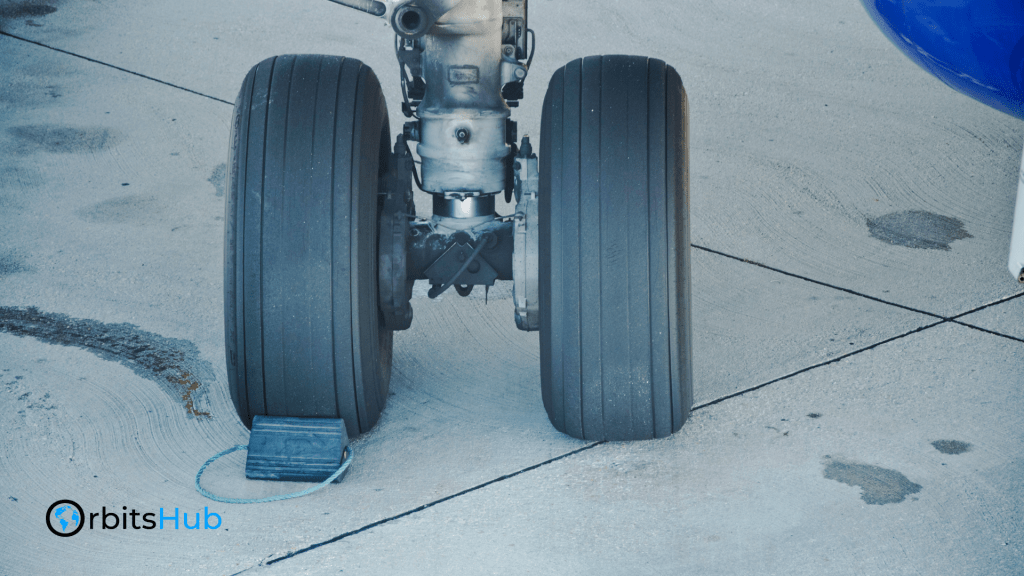
Aircraft tyres are built to withstand the immense forces they face during each flight. Unlike tyres on regular vehicles, aircraft tyres are made from several layers of rubber and reinforced with strong materials such as steel and Kevlar. The tyre’s construction is designed to ensure that it can support the aircraft’s weight while maintaining high performance during operations.
Each tyre is made up of an inner liner to prevent air loss, several plies for strength and durability, and a tread designed to ensure maximum grip. The tread pattern of aircraft tyres is carefully engineered to provide the best possible traction while also ensuring that the tyre can perform in different weather conditions. Whether it is dry, wet, or icy, the tyre’s performance must be consistent to ensure safety.
Advanced Materials for Enhanced Performance
Recent advancements in materials science have led to the development of high-performance materials used in aircraft tyres. The use of synthetic rubbers and advanced compounds allows for better heat resistance and longer-lasting tyres. Modern aircraft tyres are designed to cope with high-pressure conditions and high temperatures generated during landings, making them more durable and reliable than ever before.
One of the most critical factors in tyre performance is the heat generated during landing. Aircraft tyres are built to dissipate this heat quickly, preventing overheating that could lead to tyre failure. The use of specialized materials helps ensure that tyres maintain their structural integrity, even after multiple landings.
The Role of Maintenance in Maximising Aircraft Tyre Performance
Regular Inspections and Monitoring
Regular maintenance and inspections are essential to ensure the maximum performance and safety of aircraft tyres. Tyres must be checked for wear, cracks, and other signs of damage before each flight. Airlines employ specialized tyre technicians who inspect tyres for abnormalities, such as uneven tread wear, cuts, or punctures that could pose a risk during flight operations.
In addition to visual inspections, tyre pressure is monitored closely. Underinflation or overinflation can lead to tyre failure, so keeping tyres at the correct pressure is critical for their safe operation. Tyre pressure monitoring systems are used on most aircraft to continuously check the status of tyres and alert the ground crew if there is a problem.
Tyre Replacement and Repair
Even with proper maintenance, aircraft tyres will eventually need to be replaced. The lifespan of a tyre depends on various factors, including the number of landings, the type of aircraft, and the operating environment. Tyres used on smaller aircraft may last longer, while those used on larger commercial jets will wear out faster due to the increased weight and more frequent landings.
When a tyre is damaged beyond repair, it is crucial to replace it immediately to prevent further damage to the aircraft. Airlines have strict protocols for tyre replacement, ensuring that new tyres meet the necessary specifications and safety standards.
How Aircraft Tyres Contribute to Efficient Performance
Ensuring Smooth Takeoffs and Landings
The efficiency of aircraft tyres directly affects the overall performance of the aircraft. Tyres that provide good traction during takeoff and landing help reduce the required distance for both. High-performance tyres ensure smooth and controlled acceleration and deceleration, which is essential for optimizing fuel efficiency and reducing runway wear.
Tyres also contribute to reducing the strain on the braking system. Better grip and durability help improve the effectiveness of aircraft brakes, allowing for faster stopping times.
Impact on Fuel Efficiency
While tyres might seem unrelated to fuel consumption, their condition can actually affect fuel efficiency. Worn-out tyres can increase the drag on the aircraft, forcing engines to work harder and consume more fuel. In contrast, well-maintained tyres reduce friction and help the aircraft glide more efficiently during taxiing and takeoff.
By investing in quality tyres and maintaining them regularly, airlines can ensure that aircraft operate at peak efficiency, reducing fuel consumption and lowering operational costs. This not only enhances performance but also contributes to environmental sustainability by lowering carbon emissions.
The Future of Aircraft Tyre Technology
Innovations in Tyre Design
The future of aircraft tyres is closely tied to innovations in technology. Manufacturers are continuously exploring ways to improve tyre performance, focusing on aspects like durability, heat resistance, and environmental impact. One such advancement is the development of tyres made from sustainable materials, which could help reduce the environmental footprint of aviation.
Another area of innovation is the design of tyres for electric aircraft, which are expected to become more common in the coming years. These aircraft will have different weight distributions and performance characteristics, requiring new tyre designs that can support the unique demands of electric aviation.
The Growing Focus on Sustainability
The aviation sector is under increasing pressure to reduce its environmental impact. As a result, there is a growing focus on making aircraft tyres more sustainable. This involves lowering the carbon footprint of tyre manufacturing, incorporating recycled materials, and enhancing tyre recycling methods.
Frequently Asked Questions
1. How often should aircraft tyres be inspected?
Aircraft tyres should be inspected before every flight. Regular checks are essential to ensure there are no signs of damage, wear, or improper inflation that could affect safety.
2. Can aircraft tyres be repaired?
Yes, this tyres can often be repaired if the damage is minor, such as small punctures or cuts. However, heavily damaged tyres must be replaced immediately to ensure safety.