India’s quest to join the elite club of nations operating fifth-generation fighters is materializing with the Advanced Medium Combat Aircraft (AMCA) development. The AMCA represents India’s ambitious step towards self-reliance in the defense sector. In this article, we will delve into the fascinating world of the AMCA aircraft, exploring its design, capabilities, and the journey of its development.
The Advanced Medium Combat Aircraft (AMCA) is poised to bolster India’s defense capabilities with cutting-edge technology and indigenous innovation. As the nation aspires to join the select group of countries possessing fifth-generation fighters, the AMCA is a testament to India’s commitment to self-sufficiency in defense.
Evolution of the AMCA Concept
The AMCA project was unveiled during Aero India NUM2, showcasing India’s determination to develop a fifth-generation fighter indigenously. The success of other 5th Gen aircraft like the Lockheed FNUM0 Lightning II and Sukhoi PAK-FA TNUM1. The AMCA aims to possess similar capabilities while promoting less reliance on foreign assistance.
Design and Features
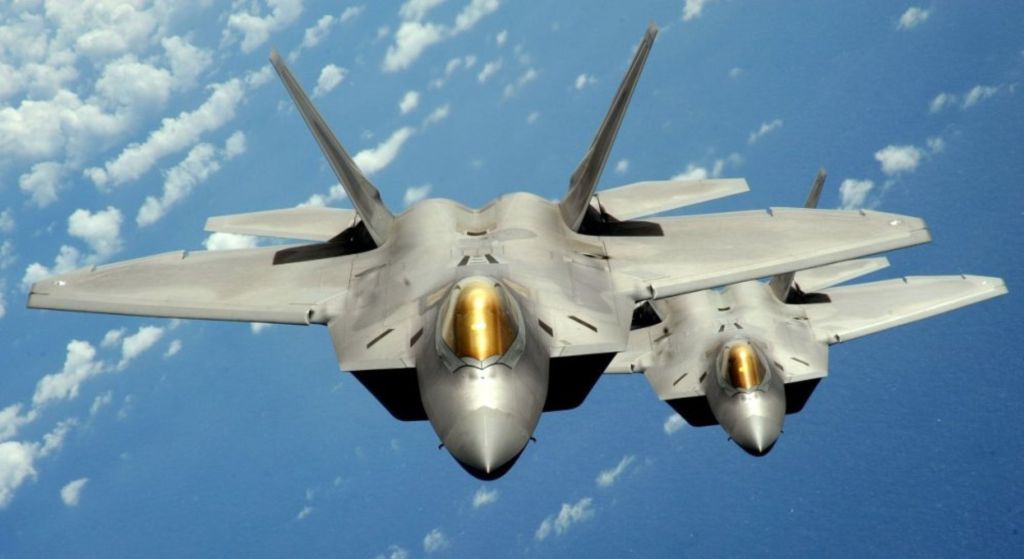
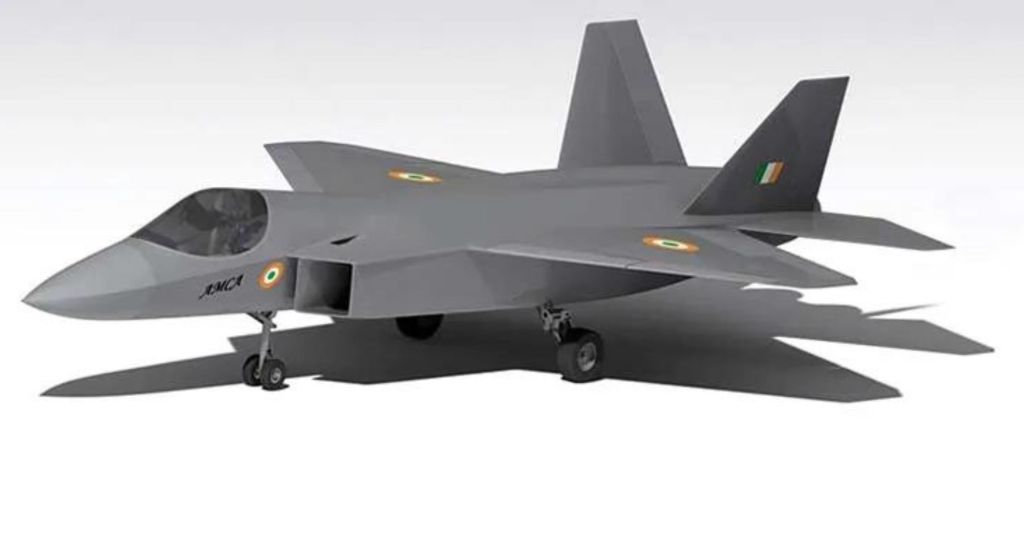
The AMCA is envisioned as a twin-engine, single-seat aircraft with a diamond-shaped planform and stealth features. Its multi-role capabilities enable it to excel in air-to-air and air-to-ground operations, making it a formidable asset for the Indian Air Force. The aircraft’s design, resembling the F-22, features a faceted fuselage shape, short nose cone assembly, and rectangular intakes. The twin turbofan engines, arranged in a side-by-side formation, provide the necessary thrust for extreme agility.
Indigenous Development
One of the primary objectives of the AMCA project is to promote indigenous development and reduce dependence on foreign technology. India’s aero industry is working towards this goal by incorporating advanced technologies such as indigenous fly-by-wire with triple redundancy, digital flight assistance. It advanced radar-defeating components. The inclusion of a powerful AESA radar system further enhances its capabilities.
Engine Development
The AMCA’s power comes from the GTRE GTX-35VS “Kaveri” NG turbofans, which provide thrust for extreme maneuverability. With a total output thrust of 12,130 lbs each on dry and 20,230 lbs with afterburner engage, these engines are expect to propel the AMCA to new heights. The engine development is under the direction of the Gas Turbine Research Establishment (GTRE) and showcases India’s commitment to advancing its engine technology.
Development Timeline
The development of the AMCA has been a long and arduous journey for the Indian aero industry. The program is expect to peak by 2018, with the possibility of a flyable prototype becoming ready. However, the aircraft’s operational service is not estimated to begin until around 2025 or later. The lengthy development of the Light Combat Aircraft (LCA) program, which result in the HAL Tejas fighter, is said to have caused program delays.
AMCA Variants
The AMCA is design to serve the Indian Air Force and Navy, catering to their specific requirements. The Mk1 variant, powered by GE FNUM0 engines, is expect to be procure more significantly. 40 units plan. The Mk2 variant, equipped with an ‘Indian’ engine developed in collaboration with a foreign partner, will feature a more powerful aircraft engine. These variants aim to fulfill the diverse operational needs of the Indian armed forces.
Challenges and Opportunities in AMCA Development
- Technological Complexities: Developing a 5th-generation fighter jet is a highly intricate task. Discuss the engineering challenges of achieving stealth capabilities, integrating advanced avionics, and creating a powerful indigenous engine.
- Project Delays: The blog mentions potential delays due to the LCA program. Analyze the reasons behind these delays and how they might impact the AMCA’s timeline.
Global Arms Market Dynamics: India aims to reduce reliance on foreign technology. Explore the potential challenges of acquiring specific crucial components or technologies while navigating the complex global arms market.
Government Approval and Production
The progress of the AMCA program has been closely monitor by the Indian government, highlighting its significance in strengthening the defense capabilities. The Cabinet Committee on Security is expect to approve the production of AMCA prototypes by Q3, marking a significant milestone in the project. The first of the five GE-FNUM0-powered AMCA prototypes is set to roll out by NUM1. This pavs the way for further advancements.
The AMCA program represents a crucial step towards indigenous development and self-reliance in defense technology for India. With its cutting-edge capabilities and strategic importance, the approval for prototype production signifies a significant leap forward in bolstering national security. The forthcoming rollout of the GE-FNUM0-powered AMCA prototypes underscores the nation’s commitment to innovation and modernization in its defense sector, paving the way for enhanced operational effectiveness and resilience.
Future Prospects
As India inches closer to realizing its dream of operating a fifth-generation fighter, the AMCA project holds immense promise for its defense industry. The successful development and induction of the AMCA into the Indian armed forces will enhance their capabilities and boost India’s status as a global defense player. The AMCA’s advanced technologies and indigenous development testify to India’s growing prowess in the aerospace sector.

FAQ’s
1.What does AMCA stand for?
AMCA stands for Advanced Medium Combat Aircraft.
2.What is the purpose of the AMCA aircraft?
The AMCA aircraft is design for combat operations, including air superiority, ground attack, and reconnaissance missions.
3.Who is developing the AMCA aircraft?
The AMCA aircraft is being develop by the Indian Ministry of Defence’s Aeronautical Development Agency (ADA) in partnership with Hindustan Aeronautics Limited (HAL).
4.What are the key features of the AMCA aircraft?
Key features of the AMCA aircraft include stealth capabilities, advanced avionics, high-endurance, supercruise, and multi-sensor integration.
5.What is the expected range of the AMCA aircraft?
The AMCA aircraft is expect to have a range of approximately 3,500 kilometers (2,175 miles).
6.Will the AMCA aircraft be able to carry nuclear weapons?
Yes, the AMCA aircraft is expect to have the capability to carry and deliver nuclear weapons.

7.When is the expected for the first flight of the AMCA aircraft?
The first flight of the AMCA aircraft is expect to take place in the early 2030s.
8.What engine will power the AMCA aircraft?
The AMCA aircraft will be power by two indigenous, high-thrust turbofan engines currently under development.
9.How will the AMCA aircraft compare to other advanced fighter jets?
The AMCA fighter jet is expect to have technology and capabilities like the F-35 Lightning II and Chengdu J-20.
10.Will the AMCA aircraft be exporte to other countries?
There are no plans to export the AMCA aircraft. But strategic partnerships and geopolitics may change that.
The AMCA aircraft represents India’s ambitious leap towards self-reliance in defense. The AMCA intends to join the top fifth-generation fighters with its innovative design, stealth characteristics, and powerful engines. The program’s emphasis on indigenous development and reducing reliance on foreign technology showcases India’s determination to strengthen its defense capabilities. As the AMCA project moves forward, India takes a significant stride towards becoming a formidable force in aerial warfare.