The AV-8 Harrier II stands as a testament to aerospace engineering ingenuity. It is renowned for its unique ability to perform vertical takeoffs and landings (VTOL). Developed by McDonnell Douglas (now part of Boeing) and primarily used by the United States Marine Corps (USMC) and the Royal Navy, this aircraft has carved a niche in military aviation history. Let’s delve into the fascinating features, history, capabilities, and impact of the AV-8 Harrier II.
History of the AV-8 Harrier II
Origins and Development
The story of the AV-8 Harrier II begins in the early 1960s when the first-generation Harrier, the Hawker Siddeley Harrier, was introduced. Designed in the United Kingdom by Hawker Siddeley Aviation, the Harrier pioneered the concept of Vertical/Short Takeoff and Landing (V/STOL) capabilities. Its success led to further development and collaboration with McDonnell Douglas in the United States, resulting in the second-generation Harrier II.
Design and Technology

The AV-8 Harrier II’s Rolls-Royce Pegasus engine is central to its design, equipped with thrust vectoring nozzles. These nozzles can be swivelled to direct engine thrust downwards for vertical takeoffs and landings or rearwards for conventional flight. This innovative design allows the Harrier II to operate from short runways, unprepared fields, and amphibious assault ships, providing unparalleled flexibility in deployment.
Capabilities and Performance: AV-8 Harrier Jump Jet
Versatility in Operation
The AV-8 Harrier II’s versatility extends beyond its ability to operate in confined spaces. It serves multiple roles, including ground attack, surveillance, and air defence suppression. Its ability to hover and land vertically makes it invaluable when traditional runway operations are impractical or unavailable.
Combat Effectiveness
The AV-8 Harrier II has proven effective in combat in various conflicts, including the Falklands War, the Gulf War, Afghanistan, and Iraq. Its capability to provide close air support and conduct precision strikes with its weapons systems has made it a pivotal asset in military operations.
Impact and Legacy: Harrier AV-8
Influence on Aviation
The Harrier II’s success has influenced the development of subsequent VTOL aircraft, demonstrating the feasibility and advantages of vertical takeoff capabilities in both military and civilian applications. Its technology has paved the way for advancements in aerospace engineering, contributing to the evolution of modern fighter aircraft design.
Global Reach
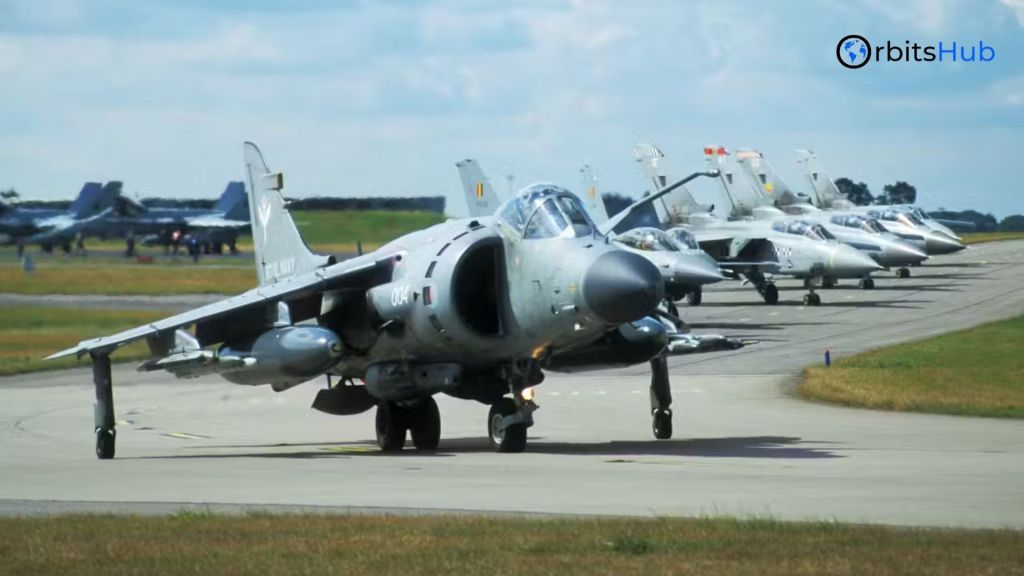
Beyond its primary users, the USMC and Royal Navy, the Harrier II has been exported to various allied nations, enhancing their defence capabilities. Its presence in international military exercises and operations underscores its global impact and reliability as a combat aircraft.
Operational Deployments and Successes
Operational Theatres
The AV-8 Harrier II has seen active service in various operational theatres worldwide. From its early deployments in conflicts like the Falklands War, where its VTOL capabilities provided critical air support in remote and rugged terrains, to modern-day missions in the Middle East and beyond, explore how this aircraft has adapted and excelled in diverse combat environments.
Notable Missions and Contributions
Highlight specific missions where the AV-8 played a pivotal role. Discuss its contributions to tactical operations, including precision strikes, reconnaissance missions, and its role in supporting ground troops. Explore critical instances where its unique capabilities influenced the outcomes of military engagements.
Technological Innovations and Upgrades
Evolution of Avionics and Weapon Systems
Explore how the AV-8 Harrier II has evolved technologically over the years. Discuss advancements in avionics, radar systems, and weapon integration that have enhanced its operational capabilities. Highlight key upgrades that have improved its performance, survivability, and mission effectiveness in modern warfare scenarios.
Sustainability and Environmental Impact
Discuss the AV-8 Harrier’s approach to sustainability and its environmental impact. Explore advancements in fuel efficiency, emissions reduction technologies, and efforts to minimize its carbon footprint. Evaluate how these factors contribute to its operational efficiency and its role in future aviation sustainability initiatives.
Training and Pilot Experience: AV-8 Harrier II
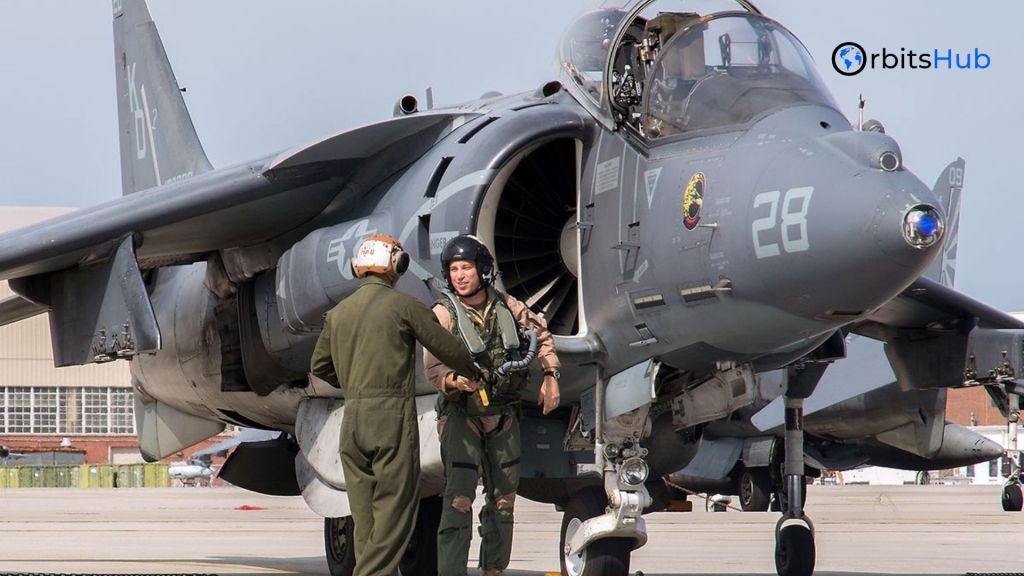
Pilot Training and Skill Requirements
Explore the specialized training programs required for pilots to operate the Harrier II. Discuss the unique skills and qualifications pilots must possess to effectively manage their vertical takeoff and landing capabilities and their advanced avionics and weapon systems. Highlight the rigorous training regimes and simulation exercises that prepare pilots for combat and operational missions.
Pilot Perspectives and Testimonials
Provide insights into the experiences and perspectives of AV-8 pilots. Share firsthand accounts and testimonials from pilots who have flown this iconic aircraft in various missions and operational scenarios. Discuss challenges faced, memorable missions, and the camaraderie among pilots who operate this versatile VTOL aircraft.
The AV-8 Harrier II symbolizes innovation in military aviation, combining vertical takeoff capabilities with combat effectiveness. Its legacy continues to resonate in the development of future aircraft technologies, ensuring its place in the annals of aviation history. The AV-8 exemplifies versatility and operational readiness in defence operations, whether deployed from aircraft carriers or forward operating bases.
Explore more about the AV-8 Harrier II and other groundbreaking aircraft at OrbitsHub. Discover how these technological marvels shape the future of aviation and defence.