The be20 aircraft, known as the Beechcraft Super King Air, is a shining example of a high-quality twin-turboprop aircraft. Recognized for its exceptional performance, versatility, and comfort, the be20 has carved out a unique niche in the aviation industry. This article is your comprehensive guide to the be20 aircraft, covering everything from its development and design to its operational history and variants.
Development and Design Of Aircraft BE20
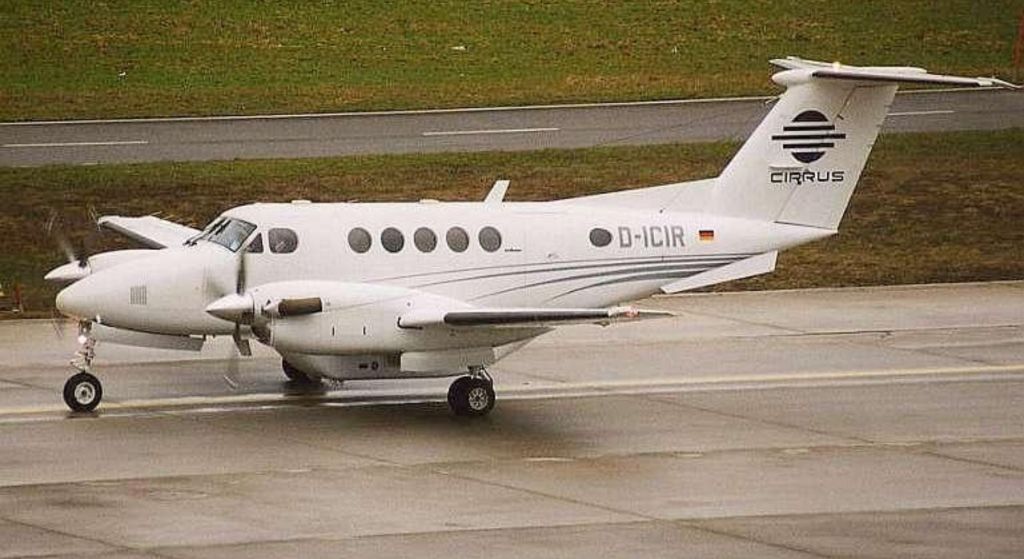
The be20 aircraft, which belongs to the Beechcraft Super King Air family, originally entered production in the 1970s. Its design is an evolution of the Model 100 King Air, featuring a longer fuselage and more powerful aircraft engines. The be20 aircraft family also includes the Model 200 and 300 series, which were market as the “Super King Air” family until 1996. These aircraft and the King Air Model 90 and 100 series constitute the King Air line.
Advanced Avionics and Technology Features
- Discuss the advanced avionics systems integrated into the BE20 aircraft, such as digital pressurization, autothrottle, and modern cockpit displays.
- Promote how these technologies increase pilot skills, safety, and flight efficiency.
Operational Versatility and Mission Capabilities
- Explore the BE20 aircraft’s diverse range of missions, including corporate transport, government liaison, aerial photography, medical evacuation, and more.
- Discuss how its versatility, performance characteristics, and optional features make it suitable for various operational roles across different sectors.
Super King Air 200
The Model 200, the predecessor of the be20 aircraft, was conceive as the Model 101 in 1969. Aside from a new T-tail design and structural changes to allow higher pressurization, the Model 200 shared the same fuselage as the Model 100. The aircraft also boasted Pratt & Whitney Canada PT6A-41 engines, rated at 850 hp, and an increased fuel capacity.
The Super King Air 200 also introduced optional features such as wingtip fuel tanks, dome-shaped side windows in the rear fuselage, and a modified belly for aerial photography.
Super King Air 300/350
Due to the overwhelming success of the 200 series, Beechcraft began developing the Model 300, now known as the “Super King Air 300,” to replace it. The Model 300 series featured more powerful engines, an MTOW increase to 14,000 lb, and a redesigned landing gear retraction mechanism.
King Air 360 and 360ER
In 2020, Beechcraft introduced the King Air 360 and 360ER. These models include an avionics upgrade, digital pressurization, and an autothrottle. The passenger cabin also features a modernized design with a 10% lower altitude pressure.
Modification and Upgrade Programs
Various aftermarket modifications and upgrades are available for the be20 airplane. These include wing front spar reinforcement kits, noise-canceling systems, and a modification to replace the electro-mechanical landing gear retraction system on early-build aircraft with an electro-hydraulic system.
Operational History
The be20 aircraft has a rich operational history. More than 7,300 King Airs and Super King Airs have been deliver, with a combined total of more than 60 million flying hours in various commercial, military, and unusual mission missions. They are operate in more than 94 countries.
Variants Of Aircraft BE20
The be20 aircraft has several variants, including the Model 200, B200, B200C, and B200T. Other variants include the Model B200GT, B200CGT, and the Model B200, marketed as King Air 250.
Operators
Many corporate and private users use the be20 aircraft, which is also famous as a light transport liaison aircraft with government and non-government organizations.
Accidents and Incidents
Like any aircraft, the be20 has been involve in several accidents and incidents. However, it should be note that these incidents are rare and often result from factors beyond the control of the aircraft itself.
Specifications Of Aircraft BE20
The be20 aircraft offers impressive specifications, with a maximum cruise speed of 310 kt, a ferry range of 1,720 nm, and a ceiling of 35,000 ft.
See Also
For more information on aircraft similar to the be20, consider looking into the Cessna 425, Cessna 441 Conquest II, Embraer EMB 121 Xingu, and the Mitsubishi MU-2.
Design Evolution: How the BE20 Transformed from Its Predecessors

The BE20 aircraft, part of the Beechcraft Super King Air family, represents a significant evolution from its predecessors. Initially developed as an upgrade to the Model 100 King Air, the BE20 incorporated several enhancements that marked a new era in turboprop design.
- Fuselage Lengthening: The BE20 features a longer fuselage compared to earlier models, providing more cabin space and improved weight distribution.
- Powerful Engines: The aircraft has more powerful engines than the Model 100, allowing for better performance and efficiency.
- Structural Improvements: Advanced materials and design modifications were introduced to enhance structural integrity and performance.
- Increased Pressurization: The BE20’s cabin pressurization system was upgraded to offer a more comfortable flying experience at higher altitudes.
Comfort and Cabin Features: Enhancing Passenger Experience
The BE20 aircraft is designed with passenger comfort in mind, offering a range of features that enhance the flying experience. Its cabin is spacious and well-appointed, making it suitable for various missions, from corporate transport to leisure flights.
- Spacious Cabin: The BE20 provides ample room for passengers, with seating configurations that can be customized for comfort and functionality.
- Modern Amenities: High-quality upholstery, climate control, and noise reduction systems create a pleasant travel experience.
- Advanced Lighting: The cabin is equipped with adjustable lighting to create a comfortable atmosphere for different times of the day.
- Noise Reduction: Enhanced soundproofing minimizes engine and aerodynamic noise, allowing for a quieter and more relaxed journey.
Performance Metrics: Comparing the BE20 to Its Peers
When evaluating the BE20 aircraft, its performance metrics stand out against those of its competitors in the twin-turboprop category. These metrics highlight its capabilities and advantages, making it a popular operator choice.
- Cruise Speed: The BE20 boasts a maximum cruise speed of 310 knots, offering competitive performance compared to similar aircraft.
- Range: With a ferry range of 1,720 nautical miles, it can cover long distances without requiring frequent refuelling stops.
- Ceiling: The aircraft can reach an altitude of 35,000 feet, providing access to smoother air and avoiding weather disruptions.
- Payload Capacity: The BE20’s design allows for a significant payload capacity, accommodating various mission requirements.
Cost of Ownership: Maintenance and Operating Expenses
Understanding the cost of ownership for the BE20 aircraft is crucial for potential buyers and operators. This includes maintenance and operational expenses, which impact the overall cost-effectiveness of the plane.
- Maintenance Costs: The BE20 can only be kept in top shape with regular maintenance. While maintenance expenses can add up quickly, they are usually within reach with some forethought and preparation.
- Fuel Efficiency: The BE20 offers good fuel efficiency for its class, helping to reduce operating costs over time.
- Insurance and Taxes: Insurance premiums and taxes can vary based on the aircraft’s use and operational region, adding to the total cost of ownership.
- Depreciation: Like all aircraft, the BE20 experiences depreciation, which should be considered in long-term cost planning.
Future Prospects: Upcoming Innovations and Trends for the BE20
The BE20 aircraft is expected to benefit from various innovations and trends that will enhance its capabilities and performance. These developments will continue to shape the aircraft’s role in the aviation industry.
- Avionics Upgrades: Future updates to avionics systems will include more advanced features for improved flight safety and operational efficiency.
- Enhanced Fuel Efficiency: Engine technology and aerodynamics innovations are likely to improve fuel efficiency, reducing operating costs.
- Increased Automation: Advances in automation and flight management systems will make the BE20 easier to operate and more capable of handling complex flight scenarios.
Sustainability Efforts: The aviation industry is focusing on sustainable practices, and the BE20 may see updates that align with environmental regulations and green technology.
FAQ’s
1. What is a BE20 aircraft?
The BE20 aircraft, or the Beechcraft King Air 200, is a versatile twin-engine turboprop airplane primarily used for corporate transportation, air ambulance, and government/military missions.
2. How many passengers can the BE20 accommodate?
The BE20 can accommodate up to nine passengers in its standard configuration, though the operator can alter this number according to their preferred interior layout.
The aircraft be20 is a testament to high-quality engineering and design. Whether utilized for commercial, military, or special missions, the be20 delivers exceptional performance and reliability. It’s no surprise that pilots and aviation fans continue to choose it.