How to Choose the Right Yawl for Your Sailing Lifestyle
What Makes a Yawl Unique?

A Brief History of the Yawl Rig
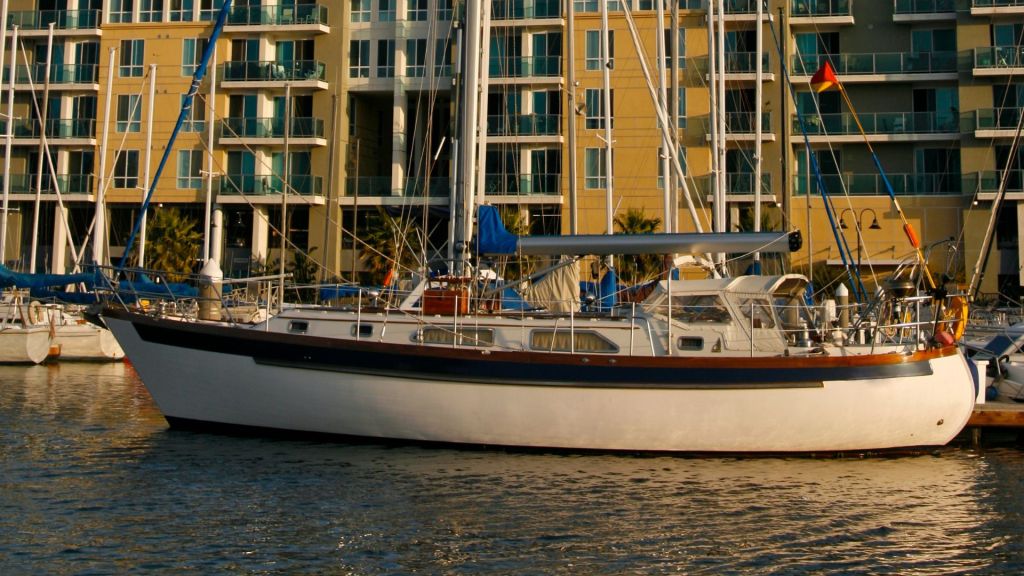
The yawl rig traces its roots back centuries, finding favor among seafarers who valued its balanced handling and adaptability to varying conditions. Unlike the sloop or ketch, the yawl’s mizzen mast sits aft of the rudder post, carrying a smaller sail that complements the mainsail. This configuration enhances maneuverability, particularly in challenging weather, and provides a comfortable motion at sea.
The Distinguishing Features of a Yawl
A yawl’s defining characteristic is its mizzen mast and sail. The mizzen, typically smaller than the mainsail, allows for precise sail area adjustments, making the yawl responsive in light winds and manageable in heavy weather. Additionally, the yawl rig offers a variety of sail combinations, enabling sailors to optimize performance and comfort in different conditions.
Advantages and Disadvantages of Yawls
Yawls present a unique set of advantages and considerations. Their balanced rig promotes stability and ease of handling, making them well-suited for short-handed sailing. The mizzen sail adds versatility, allowing for reefing options that maintain balance and control. However, the additional rigging and sails may require more maintenance and attention than simpler rigs.
Identifying Your Sailing Needs
Intended Use: Cruising, Racing, or Both?
Before embarking on your yawl search, clarify your primary sailing goals. Are you envisioning leisurely cruises along the coast, exhilarating races against fellow sailors, or a blend of both? Your intended use will heavily influence the ideal yawl design, size, and features.
Sailing Waters: Bluewater, Coastal, or Inland?
The waters you plan to sail in play a crucial role in yawl selection. Bluewater sailors require robust construction, ample storage, and comfortable accommodations for extended voyages. Coastal cruisers may prioritize maneuverability and shoal draft, while inland sailors might focus on ease of rigging and trailering.
Crew Size and Experience
Consider the size and experience of your typical crew. Larger crews necessitate more cabin space and amenities, while experienced sailors may prefer a yawl with performance-oriented features. If you anticipate sailing short-handed, prioritize a yawl with simplified sail handling systems and manageable sail area.
Budget and Maintenance Considerations
Yawls, like any vessel, come with financial obligations. Include the initial investment, as well as any necessary repairs, insurance, mooring fees, and enhancements, when creating a practical budget. Factor in the cost of sails, rigging, electronics, and safety equipment, as these can significantly impact your overall expenses.
Key Factors in Yawl Selection

Hull Design and Construction
Yawls come in various hull designs, each with unique characteristics. Traditional long-keel yawls offer stability and seaworthiness, while modern fin-keel designs prioritize performance and maneuverability. Consider the construction materials, such as fiberglass, wood, or steel, as each presents distinct advantages and maintenance requirements.
Rigging Options and Configurations
Yawl rigging offers flexibility, with options for gaff, Bermuda, or even junk rigs. Gaff rigs exude classic charm but require more effort to handle, while Bermuda rigs offer modern performance and ease of use. Explore different configurations, such as cutter rigs with staysails, to tailor the yawl’s sail plan to your preferences.
Cabin Layout and Amenities
The interior layout of a yawl should align with your lifestyle and comfort needs. Consider the number of cabins, berths, and heads (bathrooms) required for your crew. Evaluate galley facilities, storage space, and overall comfort for extended stays aboard.
Engine Selection and Power
A reliable engine is essential for maneuvering in tight spaces, entering harbors, and handling adverse conditions. Consider the engine’s horsepower, fuel efficiency, and ease of maintenance. Some yawls feature electric propulsion for eco-conscious sailors seeking quiet and emission-free operation.
Test Sailing and Making Your Decision
Finding Yawls for Sale or Charter
Your yawl search may lead you to brokers, online listings, or even boat shows. Research reputable sellers and inspect vessels thoroughly before making a commitment. Consider chartering a yawl to gain firsthand experience and evaluate its suitability for your needs.
Evaluating a Yawl’s Condition
Before buying a yawl, make sure it’s in perfect condition. Examine the boat’s hull, rigging, and sails for any indications of damage. Inspect the engine and electrical systems, and assess the overall condition of the interior. Seek the guidance of a qualified marine surveyor to ensure a comprehensive evaluation.
The Importance of a Professional Survey
A professional survey provides an unbiased assessment of the yawl’s condition, identifying potential issues that may not be apparent to the untrained eye. This invaluable information empowers you to negotiate the price, make informed decisions about repairs, and ensure a safe and enjoyable sailing experience.
Negotiating the Price
Yawl prices can vary significantly depending on age, condition, features, and location. Research comparable vessels and establish a fair market value. Don’t hesitate to negotiate with the seller, but be prepared to walk away if the price exceeds your budget or the yawl doesn’t meet your expectations.
Owning and Enjoying Your Yawl

Rigging and Sail Handling Tips
Mastering the art of rigging and sail handling is key to unlocking the full potential of your yawl. Practice raising, lowering, and reefing the sails in various conditions. Learn to balance the mainsail and mizzen for optimal performance and comfort.
Maintenance and Care Essentials
If you want your yawl to last and stay safe, you need to take care of it properly. Regularly inspect and clean the hull, rigging, and sails. Service the engine according to the manufacturer’s recommendations, and address any repairs promptly. A well-maintained yawl rewards you with countless hours of enjoyment on the water.
Safety Considerations and Equipment
Safety should always be a top priority when sailing. Equip your yawl with essential safety gear, including life jackets, flares, a first-aid kit, and a VHF radio. To better understand and handle potential hazards when boating, enroll in a safety course.
Joining a Yawl Community
Connect with fellow yawl enthusiasts through online forums, social media groups, or local sailing clubs. Share experiences, exchange tips, and learn from seasoned sailors. The yawl community is a valuable resource for support, camaraderie, and lifelong friendships.
Choosing the right yawl is a journey of self-discovery and meticulous research. By understanding your sailing aspirations, identifying your needs, and carefully evaluating your options, you’ll find the perfect vessel to accompany you on unforgettable adventures. The yawl, with its timeless elegance and versatile performance, offers a unique sailing experience that will enrich your life for years to come.