A Tale of Maritime Glory
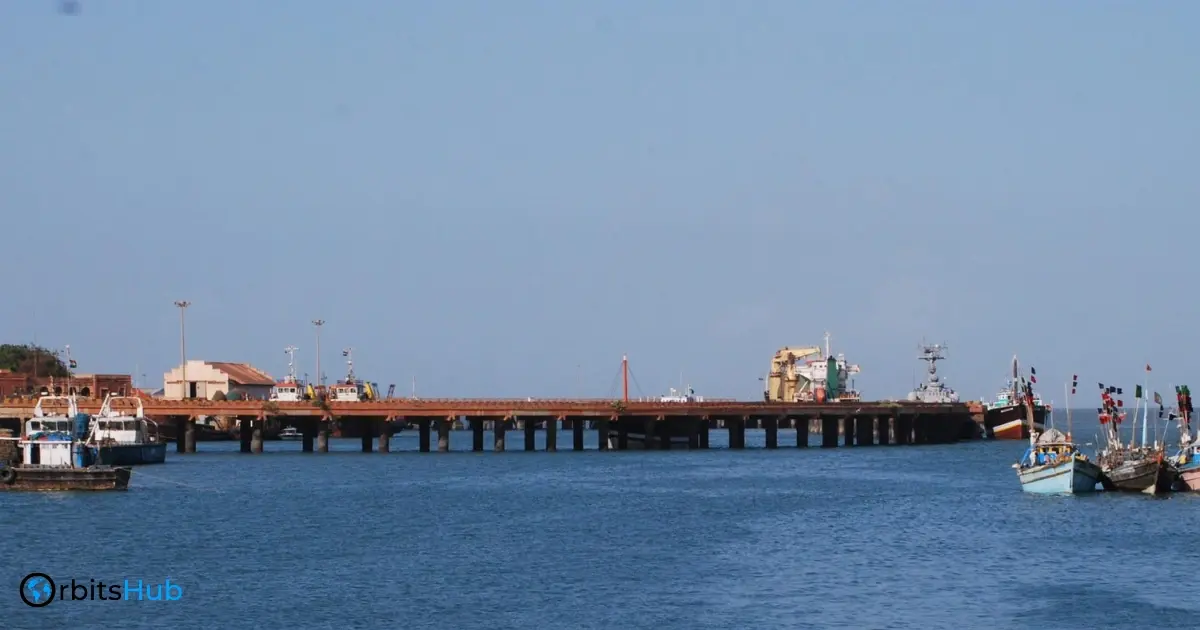
Nestled on the western coast of Gujarat, where the Arabian Sea kisses the shores of India, lies a gem that has witnessed centuries of maritime history—Porbandar Port. This coastal jewel, often overshadowed by its claim to fame as the birthplace of Mahatma Gandhi, has a story that stretches far beyond the confines of recent history.
Ancient roots and modern ambitions
Porbandar’s affair with the sea dates back to times immemorial. Legend says that Lord Krishna’s friend Sudama hailed from this town, giving it the moniker “Sudamapuri.” But in the 16th century, Porbandar began to shine as a maritime marvel.
These words ring especially true for Porbandar, a port that has held sailors, traders, and adventurers in its spell for centuries.
The Rise of a Maritime Marvel
In the 18th century, under the reign of Rana Sartanji, Porbandar Port saw significant development. Rana Sartanji enhanced the natural harbour, attracting ships from far and wide to dock at its shores. The port became a crucial link in the maritime trade routes, connecting India to the Middle East and Africa.
But wait! Did you know that Porbandar Port was once known as “Sudamapuri” and “Pauravelakul”? It’s true! The port has had many names throughout history, each reflecting a different chapter in its long and storied past.
A Port of Strategic Importance
Fast forward to the 21st century, and Porbandar Port plays a vital role in India’s maritime landscape. Its strategic location on the west coast serves as a crucial gateway for trade and commerce.
Let’s look at some impressive statistics:
Annual Cargo Handling Capacity
Over 5 million metric tonnes
Types of Cargo
Bulk, break-bulk, and liquid cargo
Number of Beds
Four central beds
Draft Depth
Up to 14 meters, allowing large vessels to dock
These numbers paint a picture of a bustling port, teeming with activity and potential. But Porbandar is more than just numbers—it’s a lifeline for the region’s economy.
The Heartbeat of Gujarat’s Economy
Porbandar Port pulses with the lifeblood of Gujarat’s economy. From the exportation of cement and soda ash to the importation of coal and fertilizers, the port facilitates trade that keeps industries running and livelihoods thriving.
This quote perfectly encapsulates the spirit of Porbandar Port. It’s not content with being just a safe harbor; it aspires to be a launchpad for economic growth and prosperity.
Fishing: The Unsung Hero
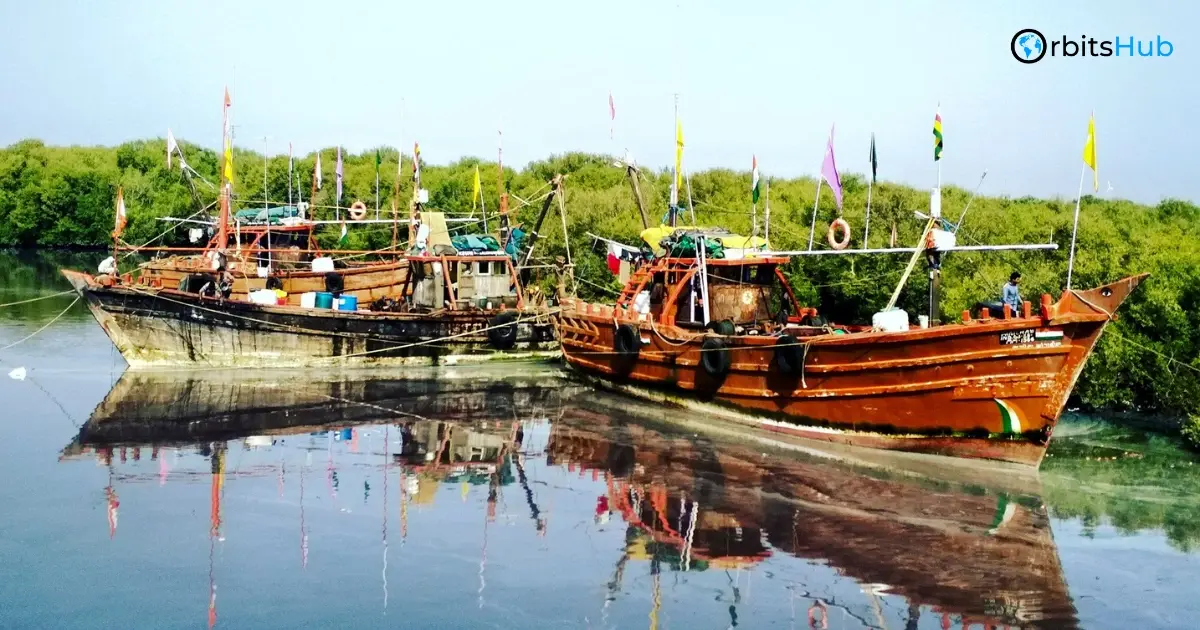
While commercial cargo might steal the limelight, remember the humble fishing boats dot the waters around Porbandar. The port is home to one of the largest fishing fleets in Gujarat, contributing significantly to the state’s marine exports.
Imagine the scene: As dawn breaks, hundreds of colorful fishing boats set sail with their nets, ready to harvest the bounty of the Arabian Sea. This site has remained unchanged for generations, a testament to the enduring relationship between Porbandar and the sea.
Modernization: Sailing to the Future
In recent years, Porbandar Port has embarked on an ambitious modernization drive. Porbandar Port is implementing new technologies to increase efficiency and reduce turnaround times. However, despite this drive for advancement, the port maintains its historical roots.
Efforts are underway to develop Porbandar as a tourist destination, showcasing its rich maritime heritage. From the ancient lighthouse to the bustling fish market, every corner of Porbandar has a story to tell.
Environmental Stewardship
In an era of climate change and environmental awareness, Porbandar Port is staying caught up. Initiatives are in place to reduce the port’s carbon footprint and protect the delicate marine ecosystem.
Did you know Porbandar is home to a unique geological formation called the Chowpatty Beach Rock? This 100-million-year-old rock formation is a silent witness to the port’s long history and a reminder of our responsibility to preserve nature’s wonders.
The Human Element
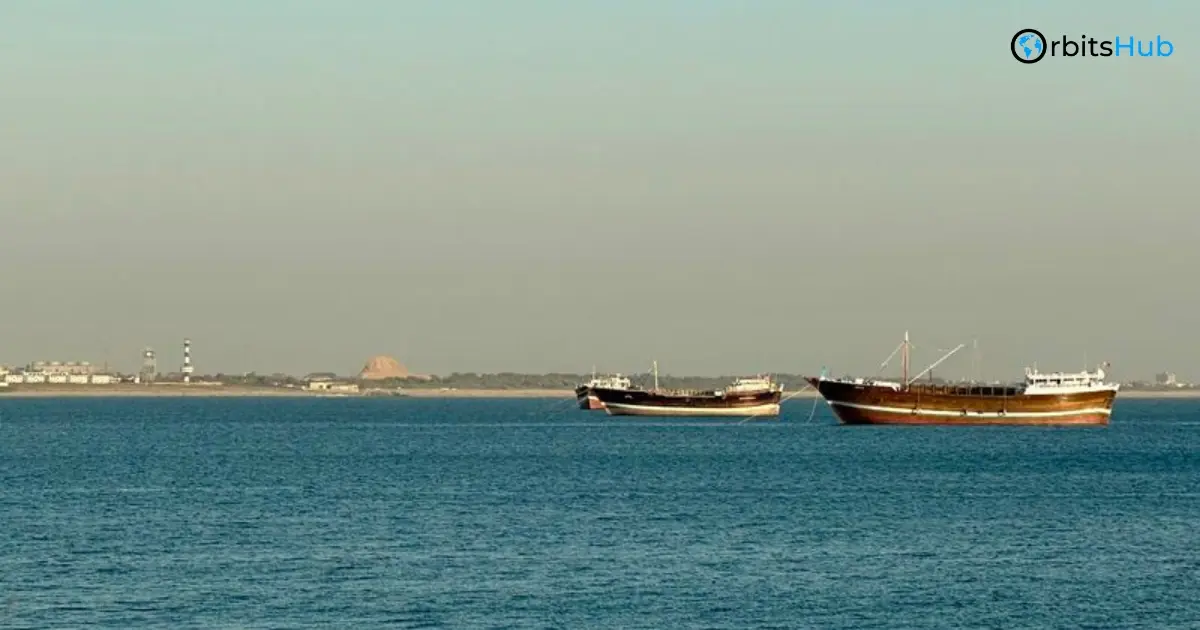
Behind the statistics and grand narratives, the people of Porbandar truly bring the port to life. Each person plays a crucial role in the port’s ecosystem, from the dock workers and sailors to the fishermen and traders.
Take, for example, the story of Ramesh Bhai, a third-generation fisherman who has seen the port transform over the decades. “The sea is in our blood,” he says with a glint in his eye. “Porbandar Port is not just a place of work for us; it’s our home, our identity.”
Looking Ahead
Porbandar Port stands poised for greater heights as we sail into the future. Plans are afoot to expand its capacity further, attract more international trade, and position it as a key player in India’s maritime sector.
But amidst all the changes, one thing remains constant: the spirit of Porbandar. The spirit of Porbandar has persevered through both literal and metaphorical challenges, emerging stronger each time.
Frequently Asked Questions
Porbandar Port has a rich history dating back centuries. It was an important trading post during the Mughal era. It played a significant role in maritime trade between India, the Middle East, and Africa. The port’s strategic location on the west coast of India has made it a crucial link in various trade routes throughout history.
Porbandar Port has significantly contributed to the local and regional economies. Large-scale production in the surrounding areas facilitates the export of commodities like cement and soda ash. The port also supports a thriving fishing industry, providing livelihoods to thousands of families. Additionally, the port’s operations have led to the development of ancillary industries and services in the region, creating numerous job opportunities.