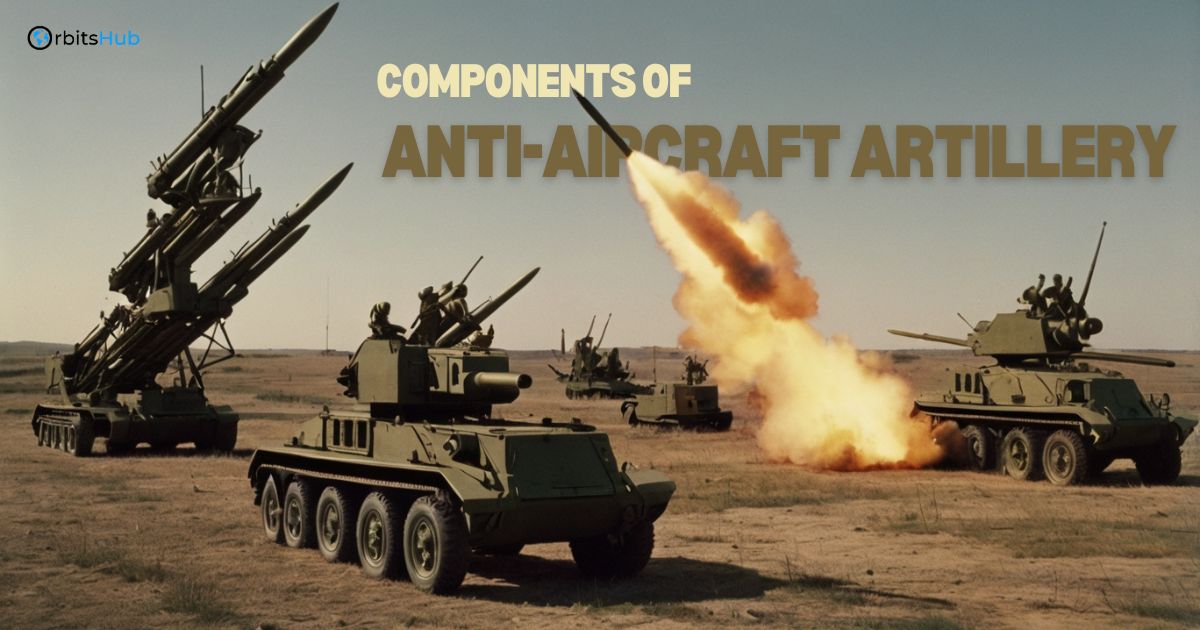
Anti-aircraft artillery (AAA) plays a crucial role in modern military defense systems that protect against aerial threats like fighter jets, bombers, and unmanned aerial vehicles (UAVs). As aerial warfare has evolved, so has the technology and sophistication of anti-aircraft systems. Understanding the critical components of anti-aircraft artillery is essential for grasping how these systems function and their importance in maintaining national security.
Radar Systems: The Eyes of Anti-Aircraft Artillery
Overview of Radar Technology
Radar technology forms the backbone of any anti-aircraft artillery system. These systems serve as the “eyes” of the artillery, detecting and tracking incoming aerial threats with high precision. Radar waves re-enter the radar system after bouncing off nearby objects, such as planes. The time it takes for the waves to return helps calculate the object’s distance, speed, and direction.
Types of Radar Used in AAA
Several types of radar systems are employed in anti-aircraft artillery, each serving a unique purpose:
- Early Warning Radar: Detects incoming threats from long distances, providing ample time for the system to prepare a defense.
- Target Acquisition Radar: Identifies and locks onto specific targets, ensuring accurate engagement.
- Tracking Radar: Follows the target’s movements, providing real-time data to guide the artillery.
- Fire Control Radar: Directly linked to the artillery, this radar adjusts the gun’s aim based on the target’s position.
By coordinating their efforts, the radars form a robust defense network that can identify and destroy aircraft threats in their tracks.
Guns and Ammunition: The Core Firepower
Types of Anti-Aircraft Guns
The guns used in anti-aircraft artillery are designed to engage and destroy aerial targets effectively. There are several types of firearms utilized, each with distinct characteristics:
- Automatic Cannons: These are fast-firing, high-velocity guns that can lay down a continuous barrage of fire. Examples include the Oerlikon 35mm twin cannon and the Russian 2K22 Tunguska.
- Heavy Machine Guns: Often used for lower altitude threats, these guns offer high rates of fire with significant stopping power.
- Missile Systems: Although not guns, missile systems are often integrated with AAA for a more versatile defense. These include systems like the Patriot missile system or the S-400.
Ammunition Types
The effectiveness of anti-aircraft guns largely depends on the type of ammunition used. Common types include:
- Armor-Piercing Incendiary (API): Designed to penetrate aircraft armor and ignite fuel or other components.
- High-Explosive Incendiary (HEI): Explodes on impact, causing widespread damage to an aircraft’s structure.
- Tracer Rounds: Allow gunners to visually track the trajectory of their fire, helping to adjust their aim in real time.
These ammunition types are carefully selected based on the target’s characteristics, ensuring the highest probability of a successful engagement.
Fire Control Systems: The Brain of Anti-Aircraft Artillery
Role of Fire Control Systems
Fire control systems are integral to the effectiveness of anti-aircraft artillery, acting as the “brain” that coordinates all components. These systems process data from radar inputs, calculate firing solutions, and adjust the gun’s aim in real time. Modern fire control systems use advanced algorithms and computer systems to enhance accuracy, ensuring that even high-speed, maneuverable targets can be effectively engaged.
Components of Fire Control Systems
A typical fire control system in AAA includes:
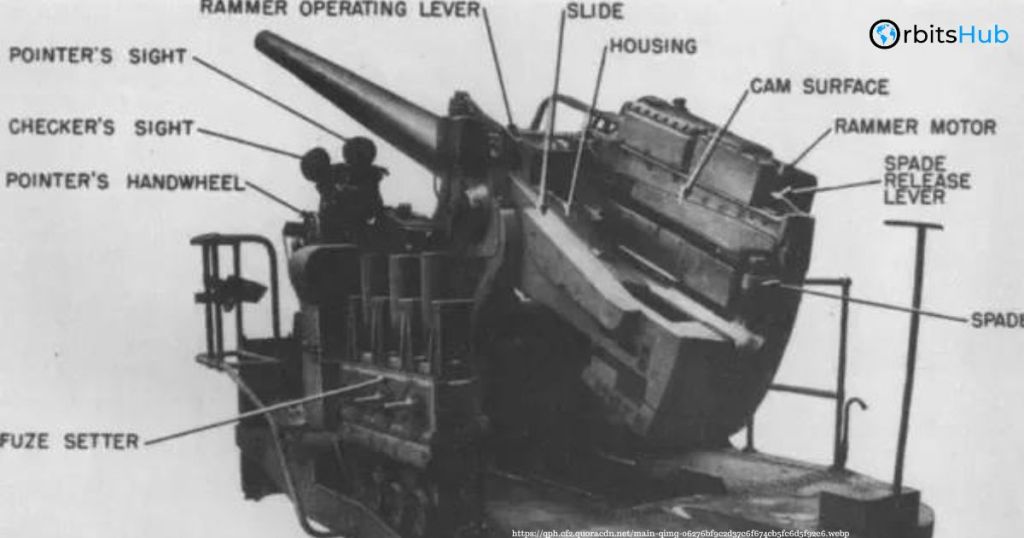
- Ballistic Computers: Calculate the optimal firing angle and timing based on target data.
- Gyroscopic Stabilizers: Ensure the gun remains steady and accurate, even when the platform moves.
- Optical Sights: Provide a visual guide for manual aiming, often used as a backup to radar-guided systems.
These components work together seamlessly to ensure the artillery can respond quickly and accurately to threats, even in the most challenging conditions.
Power and Propulsion Systems: Supporting the Artillery
Mobility and Deployment
The effectiveness of anti-aircraft artillery is often determined by its mobility and ability to deploy rapidly. Power and propulsion systems play a critical role in this regard. For instance, many modern AAA systems are mounted on vehicles, allowing them to be moved quickly to strategic locations. This mobility ensures that air defense can be extended to cover different areas as threats emerge.
Power Sources
Reliable power sources are essential for operating radar systems, fire control systems, and guns. Modern AAA systems typically use:
- Diesel Generators: Provide a steady power supply in the field.
- Battery Packs: Offer a backup power source, ensuring the system remains operational even if the primary power fails.
- Hybrid Systems: Combine generators and battery packs for enhanced reliability and efficiency.
These power systems are designed to be robust and resilient, capable of supporting the artillery in various environments, from desert terrains to icy landscapes.
Communication Systems: Coordination and Command
Importance of Communication in AAA
Communication systems are vital for effectively operating anti-aircraft artillery, ensuring all components work harmoniously. These systems allow data sharing between radar units, fire control systems, and command centers, enabling coordinated defense efforts.
Types of Communication Systems
Several types of communication systems are used in AAA:
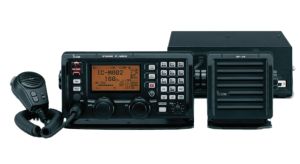
- Radio Communication: Provides real-time voice and data links between units and command centers.
- Data Links: Allow the transmission of radar data and firing solutions to multiple artillery units, ensuring synchronized operations.
- Satellite Communication: Extends the reach of communication systems, particularly in remote areas where conventional radio signals might be weak.
By coordinating their responses, these communication technologies guarantee that anti-aircraft artillery units can keep the defense network together in the face of new dangers.
Auxiliary Equipment: Enhancing Efficiency and Effectiveness
Target Designators
Target designators are specialized tools that help pinpoint the exact location of an aerial threat. These can be laser-based or use infrared technology, allowing the artillery to lock onto targets precisely.
Night Vision and Thermal Imaging
Night vision and thermal imaging equipment ensure that anti-aircraft artillery remains effective, even in low-visibility conditions. These technologies allow operators to detect and engage targets otherwise invisible to the naked eye.
Anti-aircraft artillery is a complex and multifaceted system that seamlessly integrates various components to protect against aerial threats. From radar systems and fire control to communication and auxiliary equipment, each element plays a critical role in ensuring the effectiveness of the artillery.
In the fight to control the nation’s airspace, anti-aircraft weaponry will only become more effective as technology develops. Understanding these components highlights the sophistication of modern military technology and underscores the importance of maintaining robust and reliable defense systems.
For those interested in exploring defense technologies more or seeking consultancy services in maritime and aviation, Orbitshub offers expert advice and solutions tailored to your needs. Reach out to Orbitshub to learn more about how you can enhance your defense capabilities.