

The term “Aircraft Black Box” might conjure images of mysterious devices hidden within the bowels of an aircraft, waiting to reveal their secrets in the event of an accident. However, the reality is far more practical and vital. Aircraft Black Boxes, bright orange for visibility, play a crucial role in aviation safety. They are designed to withstand the most severe conditions and are instrumental in uncovering the causes of aviation incidents.
Understanding the Aircraft Black Box
History of the Aircraft Black Box
The Black Box concept dates back to the 1950s. It was first proposed by Dr David Warren, an Australian scientist who envisioned a device that could record cockpit conversations and instrument readings to aid accident investigations. His initial prototype, the “Flight Memory Unit,” laid the foundation for modern Black Boxes. Over the decades, technological advancements have significantly improved their capabilities and durability.
Components of an Aircraft Black Box
There are two primary components of an Aircraft Black Box:
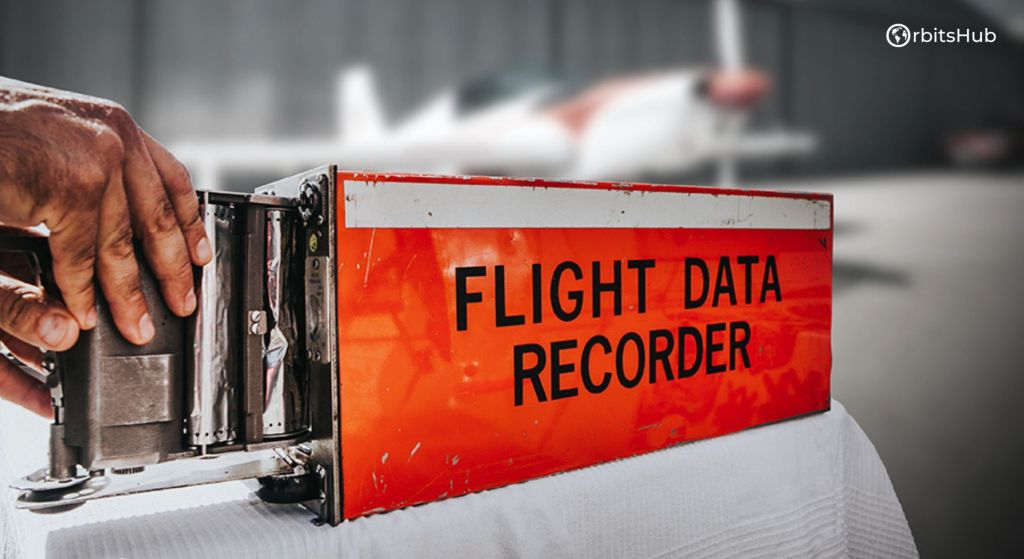
- Flight Data Recorder (FDR): The Flight Data Recorder records many flight parameters, such as airspeed, altitude, vertical acceleration, and heading. Modern FDRs can record hundreds of different parameters, providing a detailed picture of the aircraft’s performance during a flight.
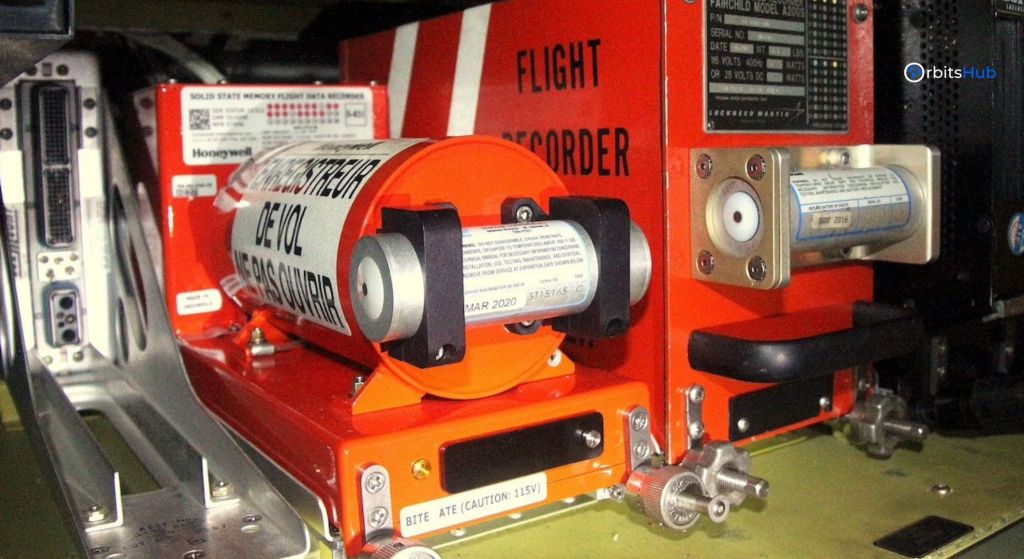
- Cockpit Voice Recorder (CVR): The CVR captures audio recordings from the cockpit, including conversations between pilots, radio communications, and ambient sounds. This information is crucial in understanding the events leading up to an incident, as it provides context and insight into the crew’s actions and decisions.
The Purpose of an Aircraft Black Box
Accident Investigation
The primary purpose of an Aircraft Black Box is to aid in accident investigations. In the aftermath of an aviation incident, investigators rely heavily on data from the FDR and Cockpit Voice Recorder CVR to reconstruct the flight and determine the cause of the accident. This information can reveal critical details about the aircraft’s performance and the crew’s response to various situations, helping investigators organize the sequence of events.
Enhancing Safety and Preventing Future Accidents
Aviation authorities and manufacturers can analyze data from black boxes to identify safety issues and implement corrective measures. This process has led to numerous safety improvements over the years, such as changes in aircraft design, modifications to flight procedures, and enhanced training programs for pilots and crew. The ultimate goal is to prevent future accidents by learning from past incidents.
Regulatory Compliance
International aviation regulations mandate the installation and use of Aircraft Black Boxes. Institutions such as the FAA and the International Civil Aviation Organization have established stringent standards for the functionality and durability of these devices. Compliance with these regulations ensures that all commercial aircraft have reliable Black Boxes capable of withstanding extreme conditions and providing accurate data.
How Aircraft Black Boxes Work
Recording and Storage
Aircraft Black Boxes have solid-state memory devices that store flight data and audio recordings. These memory units are designed to be highly robust and capable of surviving high-impact crashes, intense fires, and prolonged submersion in water. The data is continuously recorded in a loop, with the oldest information being overwritten by the newest. This ensures that the most recent data leading up to an incident is always available.
Data Retrieval and Analysis
Investigators in an accident prioritize recovering the aircraft’s black box. Once retrieved, the data is extracted and analyzed by specialized software and equipment. This process involves decoding the flight parameters and audio recordings to create a comprehensive flight timeline. Experts then examine this information to identify anomalies or deviations from standard operating procedures.
Durability and Resilience
Aircraft Black Boxes are engineered to survive the most extreme conditions. They are encased in heavy-duty materials, such as titanium or stainless steel, and are equipped with insulation to protect against high temperatures. Additionally, they are fitted with underwater locator beacons (ULBs) that emit signals to aid in their recovery from bodies of water. These design features ensure the data remains intact and accessible, even in the most challenging circumstances.
Real-World Examples of Aircraft Black Boxes in Action
MH370: The Missing Malaysia Airlines Flight
The 2014 disappearance of Malaysia Airlines Flight MH370 remains one of aviation’s greatest mysteries. Despite extensive search efforts, the Aircraft’s Black Box was never recovered. This incident highlighted the challenges of locating Black Boxes in vast oceanic regions and spurred discussions on improving tracking and recovery technologies.
Air France Flight 447: Insights from the Depths
In 2009, Air France Flight 447 crashed into the Atlantic Ocean. After a lengthy and challenging search, the Aircraft Black Box was recovered from the ocean floor nearly two years later. The data revealed critical information about the flight’s final moments, including issues with the aircraft’s speed sensors and the crew’s response. This information led to changes in pilot training and procedures for handling similar situations.
Hudson River Miracle: US Airways Flight 1549
In 2009, US Airways Flight 1549 famously ditched into the Hudson River after striking a flock of geese. The investigation relied heavily on the data provided by the black box, which shed light on the reasoning behind the pilots’ decisions and the plane’s overall performance. The incident became a case study in effective crew resource management and emergency response.
The Aircraft Black Box is an indispensable tool in aviation safety. Investigators record and preserve flight data and cockpit talks, helping them determine the reasons for aviation mishaps. This knowledge drives continuous improvements in aircraft design, flight procedures, and pilot training, ultimately making air travel safer for everyone. Aircraft Black Boxes will become more capable and resilient as technology progresses, improving their role in sky safety.
At OrbitsHub, we advance aviation safety through cutting-edge technology and expert consultancy. To learn more about our services and how we can help your organization achieve the highest safety and efficiency standards, explore the OrbitsHub website today.


