Size Matters

Length, Width, and Height
One of the fundamental distinctions between ships and boats lies in their size. Ships tend to be significantly larger, both in terms of length and height, compared to boats. While there’s no universally agreed-upon size limit, ships typically exceed 197 feet (60 meters) in length. Boats, on the other hand, are generally smaller, falling below this size threshold.
Passenger Capacity
Ships, due to their larger size, often have the capacity to carry hundreds or even thousands of passengers. They are the giants of the sea, designed for transporting people and cargo across vast distances. Boats, conversely, are typically more modest in size and are often used for personal or small-group activities.
Purpose and Function
Cargo Transport vs. Personal Use
Ships are workhorses of the sea, primarily employed for transporting goods and commodities across oceans and seas. They are the backbone of global trade, responsible for carrying everything from automobiles to consumer electronics.
Naval Vessels vs. Recreational Craft
While ships are essential for commerce and defense, boats encompass a wide range of smaller watercraft used for personal, recreational, or specialized purposes. These can include sailboats, fishing boats, speedboats, and even kayaks.
Construction and Design
Hull Shape and Configuration
Ships often have more complex and specialized hull designs, optimized for stability, efficiency, and long-distance travel. In contrast, boats come in a multitude of hull shapes, each tailored to its specific function. For example, a sailboat’s hull design differs significantly from that of a fishing trawler.
Navigational Equipment

Ships are equipped with advanced navigation systems, including radar, GPS, and sonar, to ensure safe and precise navigation across vast bodies of water. Boats, depending on their size and purpose, may have simpler navigation equipment.
Regulations and Licensing
Licensing Requirements
Operating a ship requires extensive training, certification, and licensing due to their complex systems and the safety of large crews and passengers. Boat operators often face less stringent licensing requirements, especially for smaller vessels.
International Standards
Ships must adhere to international regulations and standards set by organizations like the International Maritime Organization (IMO). Boats typically have more localized regulations and may not be subject to the same international scrutiny.
Maneuverability
Handling in Different Water Bodies
Boats are more adept at navigating rivers, lakes, and coastal areas than ships are, while ships are better suited to the broad seas and deep waters.
Response to Environmental Factors
Boats are more responsive to environmental conditions, allowing them to navigate smaller water bodies with ease. Ships, due to their size and weight, have a slower response to changing conditions.
Crew and Personnel
Crew Size and Expertise
Ships require large and specialized crews, including engineers, navigators, and various officers. Boats typically have smaller crews or are operated by a single individual.
Roles and Responsibilities
The roles and responsibilities on a ship are highly structured and specific, with designated personnel for various tasks. On a boat, individuals often take on multiple roles.
Historical Perspective
Evolution of Ship and Boat Terminology
The distinction between ships and boats has evolved over centuries, influenced by cultural, technological, and functional factors. Historical terminology reflects the changing roles of these vessels.
Iconic Examples
Examples like the Titanic, a legendary ship, and the nimble fishing boat from “The Old Man and the Sea” offer a glimpse into the iconic vessels that have shaped our perception of ships and boats.
Economic and Industrial Implications
Impact on Trade and Commerce
Ships are the lifeblood of international trade, enabling the global movement of goods and commodities. Their economic significance is immense, influencing markets and industries worldwide. In contrast, boats have a more localized economic impact, often tied to tourism and recreation.
Shipbuilding Industry vs. Boatbuilding Industry
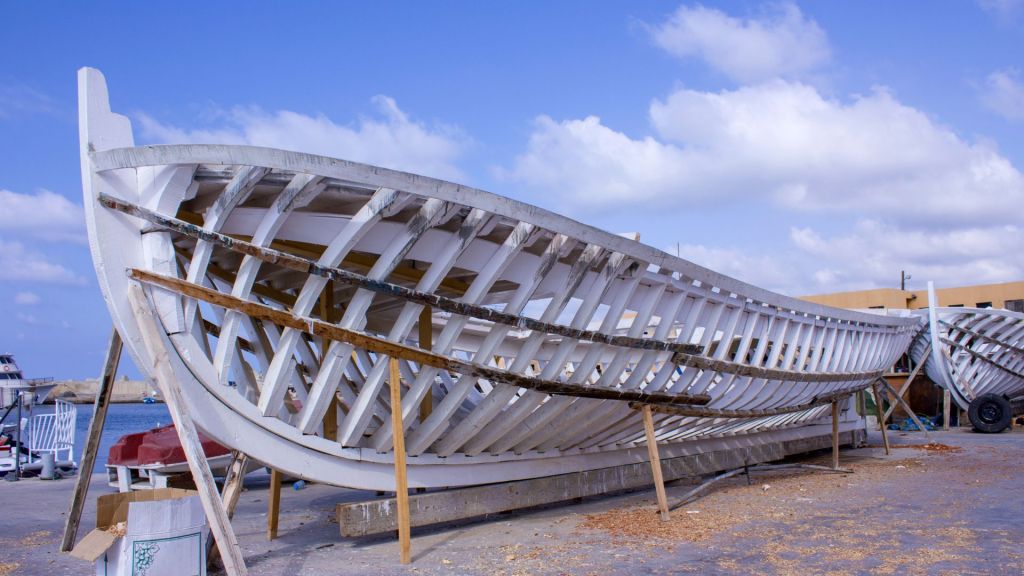
The shipbuilding industry is a vast and complex sector, involving the construction of massive vessels with cutting-edge technology. In contrast, boatbuilding is a diverse industry, ranging from small, family-run operations to larger manufacturers.
Environmental Considerations
Fuel Efficiency and Emissions
The sheer size of ships presents unique challenges in terms of fuel efficiency and emissions. Many initiatives are underway to reduce the environmental impact of these maritime giants. Boats, being smaller and more versatile, often have lower emissions profiles.
Ecological Impact
Both ships and boats can have ecological consequences, with issues such as ballast water discharge and marine litter being of concern. Environmental awareness and regulations are increasingly shaping the practices of both ships and boats.
In the ever-evolving world of maritime terminology, understanding the differences between a ship and a boat is crucial. Whether you’re a seasoned mariner or simply fascinated by the world of watercraft, knowing these distinctions allows you to appreciate the diversity and significance of vessels on our seas and waterways. So, the next time you gaze out at the water, you can confidently discern whether you’re looking at a ship or a boat, each with its unique role and purpose in the maritime world.