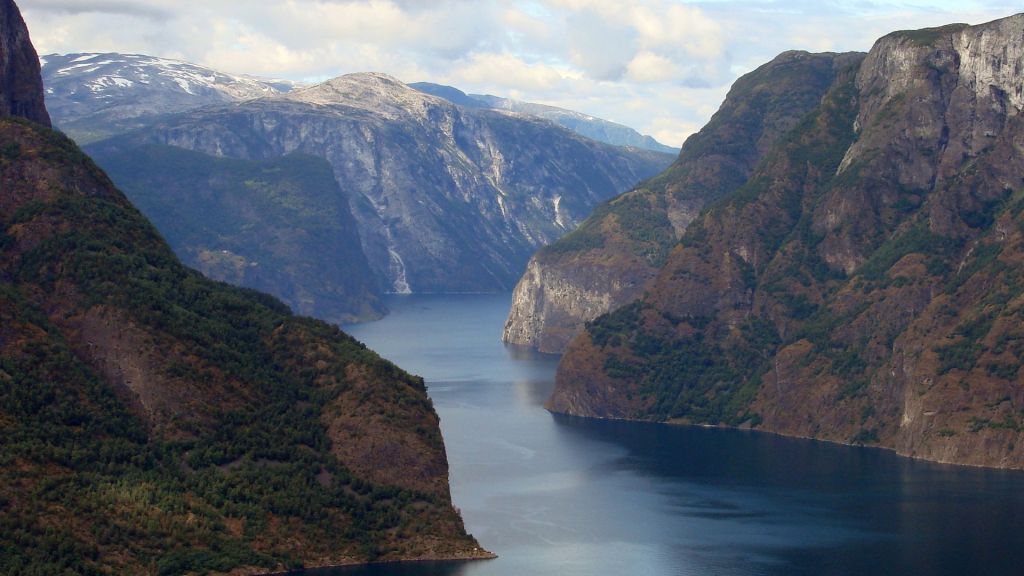
The Aurlandsfjord is a picturesque fjord situated in the western region of Norway that has been carved out between tall mountain peaks and cliffs by ancient glaciers. As part of Norway’s famous fjord country that spans thousands of kilometers along the coast, the Aurlandsfjord offers stunning vistas combined with a gateway to Norwegian heritage and culture.
Introduction to the Aurlandsfjord

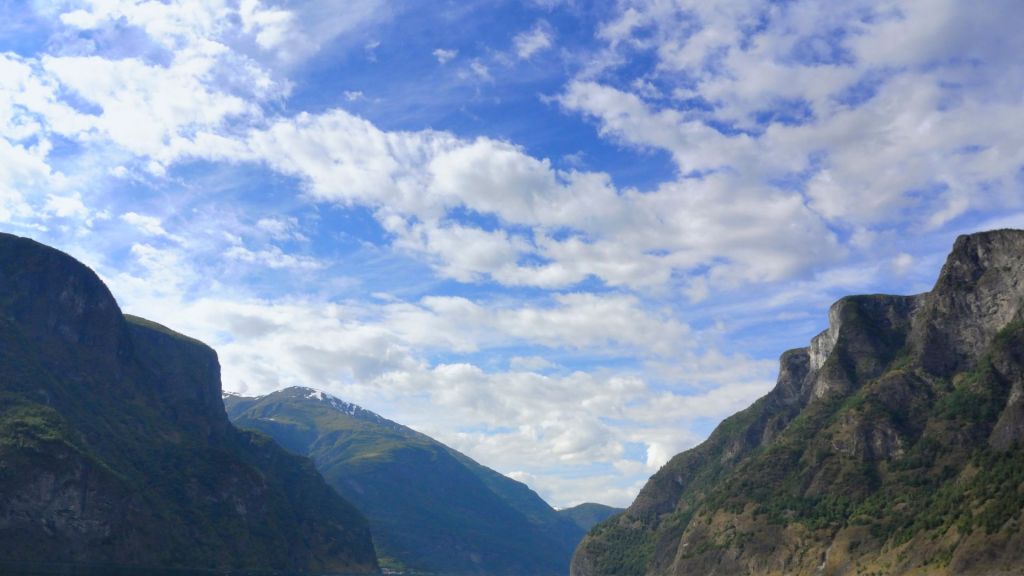
The Aurlandsfjord branches off from the main Sognefjord, Norway’s longest and deepest fjord, located about 100 miles north of Bergen. This narrow inlet stretches for 15 miles between steep rock walls rising over 3,000 feet high on either side, adding to the dramatic scenery. The innermost reaches feature smaller branches, valleys and lakes that lead to mountain passes and glaciers situated inland. Historical villages dating back hundreds of years line sections of the fjord, showcasing traditional Norwegian architecture and lifestyle. Known as a must-see destination along Norway’s “Fjord Route”, visiting the Aurlandsfjord provides an exemplary Norwegian fjord experience through astounding natural beauty and cultural essence.
Geological Formation of the Aurlandsfjord
Like all of Norway’s famous fjords, the Aurlandsfjord was shaped by the movement of massive glaciers that carved through the mountains, leaving steep V-shaped valleys behind that were later filled with sea water as the ice receded. The enormous pressure and grinding movement of the ice eroded entire hillsides over thousands of years, crafting the long parallel cliffs and tributary ravines that surround the inlet. Underneath the surface waters exist rock formations composed of igneous, metamorphic and sedimentary material ranging from granite to slate to sandstone, indicating the complex geological processes from volcanic activity to compression forces that created this landscape over millennia.
Climate and Weather Patterns
Due to its high northern latitude location and orientation along the North Sea, the climate of Aurlandsfjord region is classified as subpolar oceanic, characterized by cool summers and mild winters. However, the pronounced surrounding relief brings more localized weather variation between calm, foggy periods to bouts of high winds and precipitation cascading down the mountainssides. Average annual precipitation in the area is about 40 inches, though autumn tends to be the wettest season due to frontal systems moving off the North Atlantic. Despite some variation, seasonal differences are generally mild, with January and February typically being the coldest months with temperatures just below freezing while July averages around 60°F.
Flora and Fauna of the Region
The steep slopes descending into the Aurlandsfjord waterway predominantly consist of mixed broadleaf and boreal forests, comprised of birch, aspen and pine trees near sea level while hardy spruce and fir conifer species dominate the higher ridges. Underbrush flourishes during summer including blueberries and lichen along with herbaceous plants like mountain sorrel. The actual fjord ecosystem nurtures rich marine life below the brackish waters, attracting cod, herring and shellfish that sustain populations of seals, porpoises and even occasional whale species migrating through the inlet. Land mammals common to the area include red deer, arctic fox, brown bears along with a great diversity of birdlife ranging from seabirds like gulls and swans to grouse and falcons soaring the mountain updrafts.
History and Early Settlements
While the breathtaking vistas draw admiration from visitors today, the shelter and bounty represented by the Aurlandsfjord fostered Norway’s first settlers dating back to late the Stone Age. Archaeologists have uncovered remnants from nomadic hunter-gatherer camps to entire Viking era homesteads and boathouses built along the inlet during the 9th century expansion west. For centuries local fishermen harvested schools of wintering herring during seasonal rounds, processed locally for export. Later small hamlets emerged supporting trade ships and subsistence farming yet remained isolated by the imposing topography until 20th century roads connected remote villages that line the fjord today like Aurland, Undredal and Flam.
Tourism and Popular Activities
Now the Aurlandsfjord region has become one of Norway’s most renowned tourist attractions, offering a range of sightseeing opportunities to experience the dazzling Norwegian fjord landscape from different perspectives. Visitors flock to Flam village at the head of Aurlandsfjord which serves as a gateway to Norway’s longest fjord inlet and departure point for cruise ships. From here guests can opt to ride the renowned mountain railway ascending steep grades to reach lofty vistas or board sightseeing vessels to ply the fjord waters. Other alternatives include exploring quiet hamlets like Undredal set amid bucolic pasturelands or booking some of the well-situated guesthouses to serve as a basecamp to kayak the fjord. Those seeking outdoor recreation can select from bountiful hiking trails crossing lush countryside and leading to hidden waterfalls.
Transportation and Infrastructure
Modern visitors today benefit from the relatively new infrastructure supporting travel through the region, most notably the engineering marvels of road tunnels cutting through rock and gracefully arching bridges spanning the inlets that provide access to charming waterside villages. Local car ferries link communities on either side of the fjord while retro steamships powered by wood-burning furnaces ply the waters, evoking the craftmanship of earlier times. The renowned Flam Railway opened in the 1940s specifically to connect ocean-going cruise liners docking at Flam to vantage points high in the mountains. Beyond these thoroughfares, secondary roads snake up side valleys over mountain passes, revealing breathtaking panoramas with each hairpin turn.
Cultural Significance
With vistas seemingly untouched since the days of the Norse sagas, the Aurlandsfjord encapsulates the profound allure Norway’s fjords hold in regional identity tied to the natural environment. Generations have endured the harsh climate yet reveled in the profound beauty manifest in the articulated landscape and dynamic seasonal changes. This deep connection to their ancestral lands remains firmly rooted as Norwegians continue long-standing traditions of foraging berries in summer and catching schools of winter herring while maintaining historic wooden structures passed down through families. Much like the durable boats crafted from Scandinavian pine and oaken beams of rustic farmsteads weathering the coastal elements, Norwegian culture perseveres molded by the fjord landscapes themselves.
Conservation Efforts
Although tourism represents the largest industry across the Aurlandsfjord and neighboring locales, preservation efforts also aim to safeguard the pristine vistas and delicate ecosystems that draw visitors. Starting in the 1990s, the government implemented sustainable programs branding the area as Norway’s first “environmental fjord” focusing on low-impact hospitality models over unsightly large hotels. Local communities support eco-certification initiatives promoting energy conservation, waste reduction and utilization of regional food sources. Partnerships between villages, businesses and environmental groups continue expanding awareness and education on protecting natural habitats and minimizing pollution with future generations in mind.
Future Outlook
Moving forward, stakeholders agree achieving the optimal balance between sustaining local economies through tourism while also championing environmental stewardship programs remains key. Ongoing campaigns monitor pollution levels and no industrial development occurs directly on the fjord today. Transportation increasingly shifts towards electric hybrid vessels while hydroelectric plans harness glacial runoff high in the mountains through ingenious subaquatic turbines. At the same time, preserving traditions and the singular way of life that evolved in harmony with the Western Norwegian landscapes must continue, thus providing meaning and lifeblood to these age-old fjords. If cherished properly with visionary care, extraordinary destinations like the Aurlandsfjord shall persist as contemplative havens offering spaces to reflect and connect within nature’s masterpiece.