
Historical Background
The Early Years
The Port of Tauranga traces its origins back to the late 19th century. In 1873, the Governor-General of New Zealand, Sir James Fergusson, officially established the Port. The first significant sailing vessel, Lady Jocelyn, entered the harbor in 1882. However, the Port’s development began in the mid-20th century, with the construction of the Mount Maunganui wharf in 1953.
Modern Development and Expansion
In 1988, the Bay of Plenty Harbour Board established the Port of Tauranga Limited as its operating vehicle. Since then, the Port has continually modernized and expanded its facilities. In 1999, it established New Zealand’s first fully integrated inland port service, MetroPort Auckland.
Port of Tauranga Today
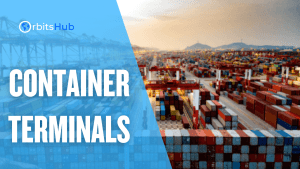
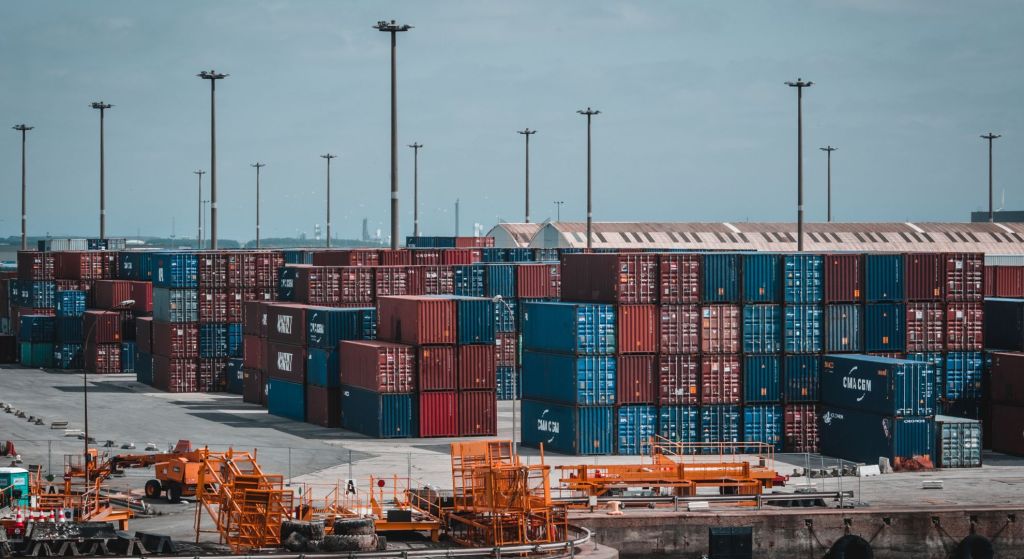
The Port of Tauranga is the largest container terminal in New Zealand. It handles 32% of all New Zealand cargo, 37% of exports, and 41% of all shipping containers. The Port is also the only one in the country capable of accommodating larger container vessels, offering shippers economic and environmental benefits.
The People Behind the Port
The Port of Tauranga employs approximately 270 people as of June 2021. The team includes dedicated professionals from various fields, including logistics, maritime operations, and administration. The CEO, Leonard Sampson, leads the team, with David Pilkington as the chairman.
The Port’s Facilities and Operations
Berths and Equipment
The Port boasts 15 berths, nine Liebherr container cranes, and 53 straddle carriers. The Port includes cargo sheds, a 20,000-tonne capacity cold store, and 22 bunker points for ships to refuel.
Inland Port in Southdown, Auckland

In addition to its primary operations in Tauranga, the Port operates an inland port in Southdown, Auckland. This facility allows for more streamlined and efficient freight transport between the two locations.
The Port’s Role in the Community
The Port of Tauranga plays a crucial role in the local community. It creates jobs and contributes to the wealth of the Tauranga community and the wider Bay of Plenty region. The Port also sponsors local infrastructure projects, such as viewing platforms and playgrounds.
Tourism and the Port of Tauranga
The Port of Tauranga also serves as a popular destination for cruise ships. The Port’s proximity to the town of Mount Maunganui, with its shopping centers, banks, and beautiful beaches, makes it an attractive stop for cruise passengers.
Shipping Statistics and Information
The Port of Tauranga has an impressive volume of ship traffic. It handles a variety of vessels, including cargo ships, cruise liners, and smaller boats. The Port provides real-time information on current vessels in the Port, as well as expected arrivals and departures.
Future Developments
In keeping with its motto as New Zealand’s “Port for the Future,” the Port of Tauranga continues to invest in its facilities, operations, and staff. The Port’s management is committed to maintaining its status as the country’s premier Port and ensuring its continued growth and success.
Importance to New Zealand’s Economy
The Port of Tauranga is a vital cog in New Zealand’s economic machinery. It provides essential infrastructure for the country’s imports and exports, attracting international shipping lines and contributing significantly to the national economy.
The Port’s Commitment to Sustainability
The Port of Tauranga is also committed to sustainable practices. It aims to minimize its environmental impact and contribute positively to the local community. The Port’s ability to accommodate larger container vessels also reduces the carbon footprint of shipping operations.
The Port of Tauranga and the Global Shipping Industry
The Port of Tauranga is an active participant in the global shipping industry. It is continually adapting to changes in global trade patterns and industry trends, positioning itself as a major player in the international maritime community.
The Port of Tauranga stands as a testament to New Zealand’s maritime prowess. It serves as an essential gateway for the country’s international trade, provides jobs and economic benefits to its community, and is a popular stop for cruise ships. With its commitment to future growth, sustainability, and continuous improvement, the Port of Tauranga is indeed New Zealand’s Port for the Future.