Formidable Challenges

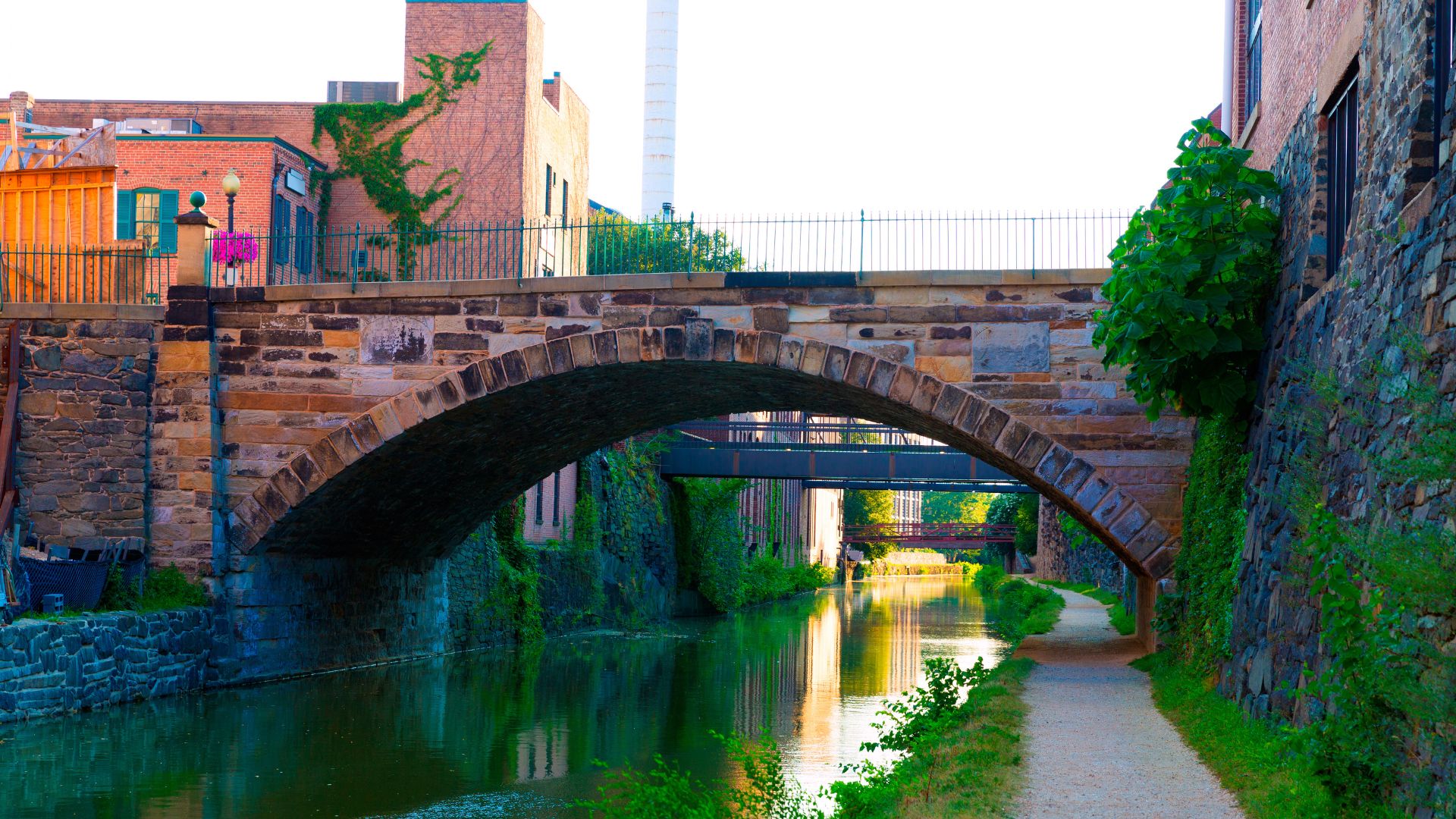
The canal channel had to be precisely constructed to maintain the necessary water depth and flow for transportation. This meant hacking through solid rock cliffs that hugged the winding course of the Potomac River valley. Teams of Irish immigrant laborers toiled long hours drilling holes by hand then packing them with black powder to blast away rock and soil. The work was dangerous and progress extremely slow, averaging just one mile per year in construction.
Financial Distress
Financial backing for the canal also began drying up, with costs ballooning to $14 million by 1835 – four times the initial estimate. Damage from frequent floods along the floodplain required expensive repairs. And the new Baltimore and Ohio Railroad started laying track just a dozen miles away, threatening the canal’s commercial viability.
Innovative Engineering
The canal system utilized an extensive series of lift locks – 74 in total – enabling the canalboats to navigate the elevation changes of the Potomac River watershed. These engineering wonders used giant wooden lock gates allowing vessels to be raised or lowered in a water-filled chamber. Lockkeepers and their families occupied the lockhouses, operating the manual mechanisms to pass the boats through in either direction. Highly coordinated canalboat crews captained the mule teams pulling their cargo-laden barges along the channel at a walking pace.
Brief Prosperity
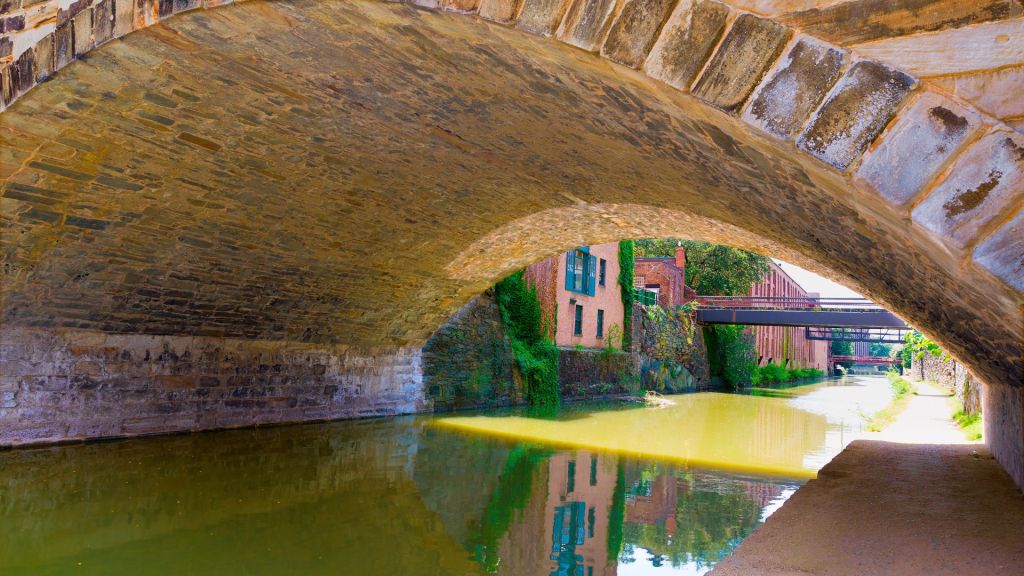
For several decades the canal operated successfully, transporting tons of coal, lumber, grains and other agricultural products to connect the frontier economies to bustling eastern seaboard markets. It nurtured manufacturing hubs in canal towns like Williamsport, Hancock, and Cumberland where merchants supplied boatmen with goods and services. But by the early 20th century, railroad competition had taken a steep toll.
Collapse and Renewal
In 1924 a major flood decimated the aging canal, washing away miles of its infrastructure past Cumberland. With rail transport now dominant, repairing the economically obsolete waterway made little financial sense, hastening its abandonment. Over time, major sections fell into disuse and disrepair from lack of maintenance. Nature began to reclaim the handiwork of its original builders as tree roots and rockslides spilled over the channel.
However, in 1971 the canal was designated as a National Historical Park as a result of a newfound recognition of its historical significance. Preserving its course and remaining structures enabled the public to reconnect with this pioneering transportation era. Restored canal towns like Hancock and Williamsport now harbor museums, restaurants, shops and canal boat rides welcoming visitors. Ongoing conservation efforts protect fragile ruins from degradation while upholding accessibility.
Enduring Legacy

The C&O canal remains a captivating window into another period in America’s development. Walking sections of the towpath trail next to the still waters evokes a 19th century scene of burly mule drovers guiding their 30 ton payloads. Visitors can pause to envision the nonstop construction labors, financial uncertainties, technical feats, and daily operative challenges making this extensive manmade waterway an operational reality. The Grand Old Ditch stubbornly endures as an icon of ambitious vision and determined perseverance.