Brief Overview of Satellite Technology

Before we embark on this extensive examination, let us first acknowledge the invaluable contributions of satellites to our modern way of life. Orbiting the Earth at staggering altitudes, these sophisticated spacecraft serve as our eyes and ears in the vast expanse of space, enabling a myriad of applications from communication and navigation to scientific exploration and military surveillance.
The High Cost of Satellite Infrastructure
Skyrocketing Expenses: The True Cost of Satellite Launches One of the most formidable obstacles in the realm of satellite technology is the astronomical cost associated with launching and maintaining these orbital assets. The process of launching a satellite into space is a technical and financial marvel that frequently necessitates spending hundreds of millions of dollars. The launch itself, a spectacle of controlled fury, accounts for a substantial portion of this staggering sum.
Expensive Manufacturing and Development
Even before a satellite can embark on its journey into the cosmos, immense resources are poured into its development and manufacturing. From the utilization of cutting-edge materials and intricate electronics to the integration of sophisticated scientific instruments, every aspect of a satellite’s construction contributes to the escalating costs. Furthermore, extensive testing and simulations are mandatory to ensure the satellite’s resilience and functionality in the harsh conditions of the unforgiving void.
Investment in Ground Support and Maintenance
The expenses associated with satellite technology extend far beyond the initial launch. Maintaining a network of ground stations, tracking facilities, and mission control centers is an essential endeavor, enabling continuous monitoring and communication with the satellites in orbit. These ground-based infrastructures require significant investments in personnel, equipment, and ongoing maintenance, further compounding the financial burden.
Insurance Costs and Mitigation
Given the immense value of satellites and the inherent risks involved in space operations, securing comprehensive insurance coverage becomes a necessity. However, this safeguard comes at a premium, often reaching into the millions of dollars for a single mission. The cost of mitigating potential losses serves as a stark reminder of the precariousness of these celestial voyages.
Operational Challenges and Complexities

Orbital Obstacles: Handling Space Operations’ Difficulties Running a satellite in the hostile environment of orbit is like negotiating a maze of obstacles; every one calls for careful attention to detail and calculated movement. Operators must remain ever vigilant, constantly on the lookout for potential dangers that could compromise their celestial assets.
Unpredictable Space Weather and Solar Activity
Space weather, driven by the dynamic behavior of our solar guardian, can wreak havoc on satellite operations. A barrage of radiation and charged particles can be released by solar flares, coronal mass ejections, and geomagnetic storms. These events can interfere with satellite systems’ ability to communicate, harm delicate electronics, and even cause them to malfunction temporarily or permanently.
Space Debris Hazards and Collision Risks
The security and lifespan of satellites are seriously threatened by the constantly expanding amount of trash that is accumulating in Earth’s orbit. Even the smallest of fragments, hurtling through the void at immense velocities, can cause catastrophic damage upon impact, potentially leading to mission failures or the complete loss of these invaluable assets.
Fuel Limitations and Lifetime Expectancy
Like all celestial voyagers, satellites have a finite operational lifespan, primarily determined by the limited reserves of fuel they carry for essential maneuvers. These critical consumables enable station-keeping and attitude control, allowing the satellites to maintain their intended orbits and orientations. However, once these reserves are depleted, the satellite’s ability to navigate and orient itself becomes compromised, rendering it effectively obsolete or increasing the risk of collisions with other celestial objects.
Limited Coverage and Accessibility Issues

Not Quite Universal: The Limitations of Satellite Coverage While satellites are often lauded for their global reach, there are inherent limitations in their coverage and accessibility that must be acknowledged. Certain regions and geographical features can pose formidable challenges, resulting in gaps or degraded service quality that hinder the seamless flow of information and data.
Geographic Gaps and Rural Accessibility Problems
Mountainous terrain, dense vegetation, and other natural obstacles can obstruct or weaken satellite signals, leading to poor connectivity or complete signal loss in certain areas. This issue is particularly prevalent in rural and remote communities, exacerbating the digital divide and hampering the dissemination of crucial information and services to these underserved populations.
Polar Regions and Coverage Limitations
Satellites in geostationary orbit, a celestial vantage point that enables them to maintain a fixed position relative to Earth, have inherent limitations when it comes to providing coverage at high latitudes. As a result, polar regions often experience reduced or intermittent service, posing challenges for activities such as scientific research, resource exploration, and transportation in these remote and unforgiving landscapes, where reliable communication is paramount.
Latency Issues and Signal Delays

Signal Interference and Degradation
Even in regions with excellent satellite coverage, the quality of service can be compromised by a multitude of factors that interact with and diminish the broadcast signal, leading to service interruptions or suboptimal performance.
Static in Space: How Signal Interference Impacts Satellite Communication Satellite communication is not immune to the perils of signal interference and degradation, which can manifest in various forms and stem from diverse sources.
Rain Fade and Atmospheric Interference
Atmospheric conditions, such as heavy precipitation or dense cloud cover, can attenuate or scatter satellite signals, leading to signal degradation or temporary outages. This phenomenon, known as rain fade, is particularly problematic for high-frequency transmissions used in satellite communications, rendering these vital links susceptible to the vagaries of weather patterns.
Electromagnetic Interference from Earth-Based Systems
Terrestrial sources of electromagnetic interference, such as radio transmitters, radar systems, or even common electrical equipment, can disrupt satellite signals, causing intermittent interference or data corruption. This interference can compromise the integrity and reliability of the transmitted information, posing challenges for applications that demand seamless and uninterrupted data flow.
Jamming, Spoofing, and Cybersecurity Risks
In addition to environmental factors, satellite signals can be intentionally jammed or spoofed by malicious actors, posing cybersecurity risks and potential disruptions to critical services. Ensuring the integrity and security of satellite communications is an ongoing battle, requiring constant vigilance and the implementation of robust countermeasures.
Data Latency and Transmission Delays

Lost in Transmission: The Drawbacks of Data Latency
One of the inherent limitations of satellite communication is the latency, or delay, experienced in transmitting and receiving data. This lag arises from the fact that signals must traverse immense distances from Earth to the satellite and back, compounded by the processing time required to encrypt, decode, and route the data through the intricate network of celestial and terrestrial infrastructure.
Impact on Real-Time Applications and Communication
Latency may not be a big deal for some apps, but it can have a big effect on real-time communication and interactive apps like videoconferencing, online games, or remote control systems, where even small delays can make the experience worse or make the app less useful. In these scenarios, the transmission delays introduced by satellite communication can pose significant challenges, necessitating alternative solutions or workarounds.
Delays in Remote Sensing and Surveillance Data
In areas such as remote sensing, Earth observation, and surveillance, latency can introduce critical challenges in obtaining and analyzing time-sensitive data. This delay can potentially impact decision-making processes, particularly in scenarios where timely information is paramount, such as disaster response efforts, environmental monitoring, or military operations, where the ability to act swiftly can mean the difference between success and failure.
Comparative Latency Issues vs. Terrestrial Networks
When compared to terrestrial communication networks like fibre optic cables or the latest 5G technology, satellite communication often has higher latency. This can be a problem for some uses that need to send or receive data almost instantly or with very little latency. This inherent disadvantage has driven the continued pursuit of innovative solutions to bridge the gap between the speed of light and the speed of information flow.
Environmental Impacts of Satellites
Ecological Fallout: The Environmental Price of Satellite Expansion
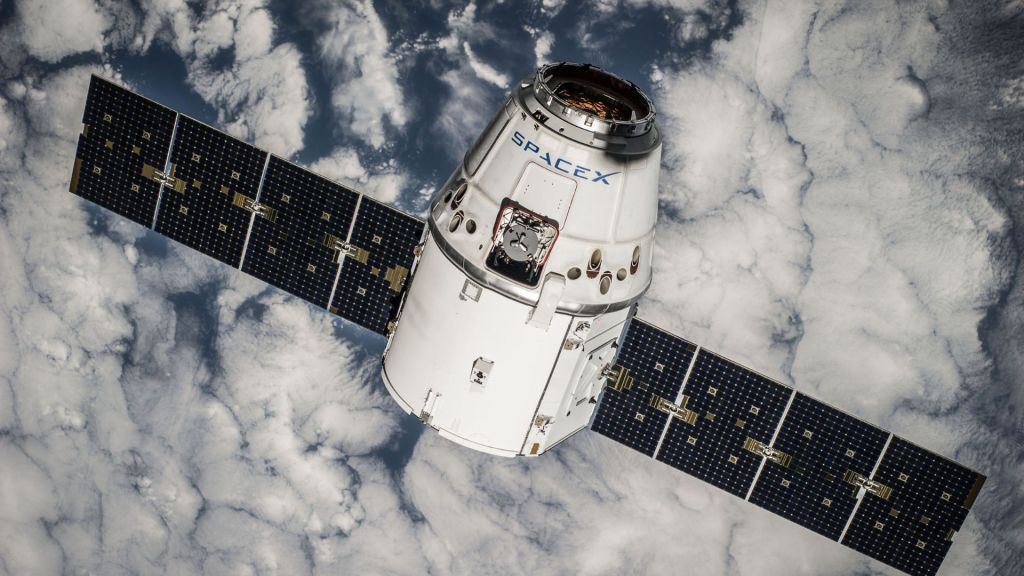
As the demand for satellite services continues to grow, the environmental impact of these space-based systems has become an increasingly pressing concern. From light pollution to orbital debris and greenhouse gas emissions, the consequences of satellite operations are increasingly being scrutinized, prompting calls for more sustainable practices and responsible stewardship of our celestial realm.
Light Pollution from Satellite Mega-Constellations
The deployment of large constellations of satellites, often referred to as “mega-constellations,” has raised concerns about the potential for light pollution. These numerous satellites can reflect sunlight, creating a persistent glow in the night sky that can interfere with astronomical observations and disrupt the natural cycles of nocturnal species, potentially causing unforeseen ecological disturbances.
Space Debris and the Problem of Orbital Pollution
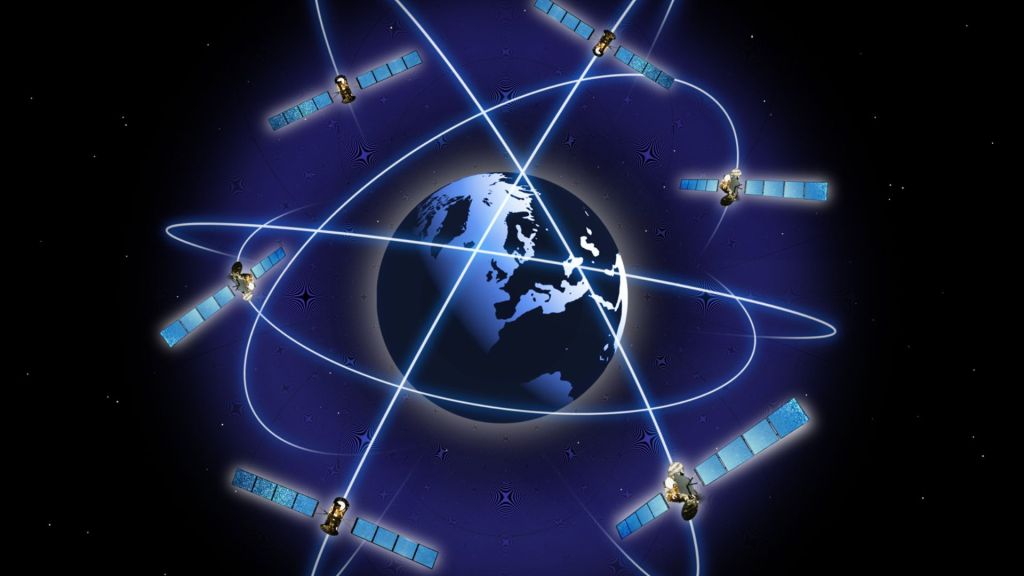
As more satellites are launched into space, the accumulation of orbital debris, consisting of spent rocket stages, defunct satellites, and fragments from collisions, has become a pressing issue. This debris poses a significant risk to operational satellites and can potentially trigger a cascading effect known as the Kessler Syndrome, wherein collisions generate more debris, leading to a self-perpetuating cycle that could render certain orbits unusable for future space activities.
Manufacturing and Launch Emissions
The manufacturing processes involved in satellite production, as well as the launch vehicles used to propel them into space, contribute to greenhouse gas emissions and other forms of environmental pollution. As the space industry continues to expand, mitigating these emissions and adopting more sustainable practices will be crucial in minimizing the industry’s environmental footprint and aligning with global efforts to combat climate change.
Space Debris and Orbital Congestion
Crowded Orbits: The Growing Threat of Space Debris
The increasing number of satellites in orbit has led to a concerning buildup of space debris, posing a significant threat to the safe and sustainable operation of these vital assets. This accumulation of man-made detritus poses risks that extend beyond individual satellites, with the potential to disrupt entire constellations and hamper future space exploration efforts.
Sources of Space Debris and Current Statistics
Space debris can originate from various sources, including defunct satellites, spent rocket stages, and fragments generated by collisions or explosions. According to recent estimates, there are currently over 27,000 tracked pieces of debris larger than 10 centimeters in orbit, with millions of smaller fragments posing an equally formidable threat to spacecraft and astronauts.
Risks of Collisions and Cascading Effects (Kessler Syndrome)
The presence of space debris increases the risk of collisions with operational satellites, potentially leading to catastrophic mission failures and further contributing to the debris problem. This self-perpetuating cycle of collisions and debris generation is known as the Kessler Syndrome, a phenomenon that, if left unchecked, could render certain orbits virtually unusable for future space activities, severely limiting our ability to explore and utilize the celestial realm.
Mitigation Measures and Policy Shortcomings
Various mitigation measures have been proposed and implemented to address the space debris issue, including guidelines for responsible disposal of defunct satellites, active debris removal missions, and improved tracking and monitoring systems. However, the lack of comprehensive international regulations and enforcement mechanisms has hindered progress in tackling this global challenge, highlighting the need for concerted effort and cooperation among space-faring nations and organizations.
Security and Geopolitical Concerns
Weaponizing the Heavens: How Satellites Impact Global Security Satellites have become integral components of modern military and intelligence operations, raising concerns about the potential militarization of space and the implications for global security. These celestial assets have evolved from mere communication relays and observation platforms to sophisticated tools that can tip the scales of geopolitical power.
Surveillance and Military Applications
Satellites play a crucial role in reconnaissance, intelligence gathering, and monitoring activities for military and national security purposes. Advanced imaging and tracking capabilities provide strategic advantages, enabling the detection of potential threats, the monitoring of adversaries, and the gathering of critical intelligence. However, these capabilities also raise concerns about privacy violations and the potential for misuse or escalation of conflicts.
Anti-Satellite Weapons and Warfare Implications

The development of anti-satellite (ASAT) weapons by various nations has heightened tensions and sparked debates about the potential for armed conflicts in space. The ability to disable or destroy adversaries’ satellites could have far-reaching consequences, disrupting critical communication, navigation, and intelligence systems, and potentially crippling a nation’s military capabilities. This escalation of hostilities in the celestial realm poses significant risks and challenges the existing frameworks governing the peaceful use of outer space.
Legal and Ethical Issues Surrounding Space Militarization
The militarization of space raises complex legal and ethical questions, challenging existing international treaties and frameworks governing the peaceful use of outer space. Addressing these issues will require global cooperation, transparency, and a commitment to upholding the principles of responsible space governance. If we don’t do this, it could lead to an unstable arms race and take away from the huge benefits of space travel for people.
Short Operational Lifespan and Replacement Challenges
A Blink in the Cosmos: Understanding Satellite Lifespan Issues Despite the immense investments required to launch and operate satellites, these space-based assets have a relatively short operational lifespan, often ranging from a few years to a couple of decades. This limited lifetime creates big problems and shows how important it is to carefully plan and allocate resources to keep important services running.
Fuel Depletion and End-of-Life Management
One of the primary factors determining a satellite’s lifespan is the finite amount of fuel it carries for station-keeping and attitude control maneuvers. Once this fuel is depleted, the satellite can no longer maintain its intended orbit or orientation, rendering it effectively inoperable or increasing the risk of collisions with other objects in the increasingly crowded celestial landscape.
Replacement Planning and Technology Obsolescence
As satellites age and their technology becomes outdated, operators must plan for their eventual replacement to maintain service continuity and incorporate advancements in satellite design and capabilities. However, this replacement process can be a logistical and financial challenge, especially for large constellations or specialized missions that require significant investments and careful coordination.
Costs and Logistical Challenges of Replacement
The costs associated with launching new satellites to replace aging ones can be substantial, often requiring significant financial investments and meticulous planning. Additionally, the logistics of decommissioning old satellites and coordinating the launch and deployment of new ones can be a complex endeavor, particularly for large-scale constellations or time-sensitive missions where service disruptions can have severe consequences.
Vulnerabilities to Space Weather and Solar Storms

Solar Tempests: The Unseen Threat of Space Weather
While satellites operate in the relative vacuum of space, they are not immune to the effects of space weather, which can have severe consequences for their operations and longevity. These celestial tempests, driven by the dynamic behavior of our star, the Sun, pose a formidable and often unpredictable threat to the delicate systems that power our space-based infrastructure.
Solar Flares and Geomagnetic Storm Impacts
Solar flares, coronal mass ejections, and geomagnetic storms can unleash powerful bursts of radiation and charged particles that can disrupt satellite electronics, damage sensitive components, and even cause temporary outages or permanent failures. These high-energy events can penetrate the protective shielding of spacecraft, potentially rendering them vulnerable to catastrophic system failures.
Damage to Electronic Systems and Communications
The high-energy particles and electromagnetic disturbances associated with space weather events can lead to various issues, including signal interference, data corruption, and potential damage to onboard electronics and communication systems. These impacts can have far-reaching consequences, disrupting vital services and compromising the reliability of satellite-based applications upon which our modern society has become increasingly dependent.
Protective Measures and Limitations
While satellite designers aim to incorporate shielding and radiation-hardening measures, there are practical limitations to the level of protection that can be provided. Severe space weather events can still overwhelm these safeguards, highlighting the need for continued research and improved forecasting capabilities to better anticipate and mitigate the risks posed by these celestial storms.
Maintenance and Repair Challenges
Remote Repair: The Dilemma of Fixing Satellites in Space
Unlike terrestrial infrastructure, satellites orbiting Earth cannot be easily accessed for maintenance or repairs, posing significant logistical and technical challenges. These remote celestial workhorses are often beyond the reach of human intervention, at least with current technologies, raising questions about their long-term sustainability and the ability to address unforeseen issues or malfunctions.
Technical Issues and In-Orbit Failures
Over time, satellites may experience various technical issues or component failures, ranging from malfunctioning instruments to structural damage or power system failures. Addressing these issues from Earth can be extremely difficult, if not impossible, leading to potential mission failures or the premature decommissioning of these valuable assets.
Difficulty and Cost of Space-Based Repairs
In some cases, specialized repair missions involving human spaceflight or robotic servicing vehicles may be considered to extend the lifespan of valuable satellites. However, these missions are incredibly complex, expensive, and carry significant risks, often making them impractical or cost-prohibitive, particularly for commercial ventures or projects with limited budgets.
Development of Robotic Repair Solutions
Recognizing the limitations of human intervention, researchers and space agencies are exploring the development of robotic systems capable of performing in-orbit repairs, refueling, or even assembling new satellites directly in space. While these technologies hold promise, they are still in their infancy and face numerous technical and operational challenges, including the complexity of autonomous operations, the harsh conditions of space, and the need for precise maneuvering and dexterous manipulation.
Signal Bandwidth Limitations
Clogged Frequencies: The Bottleneck of Satellite Bandwidth
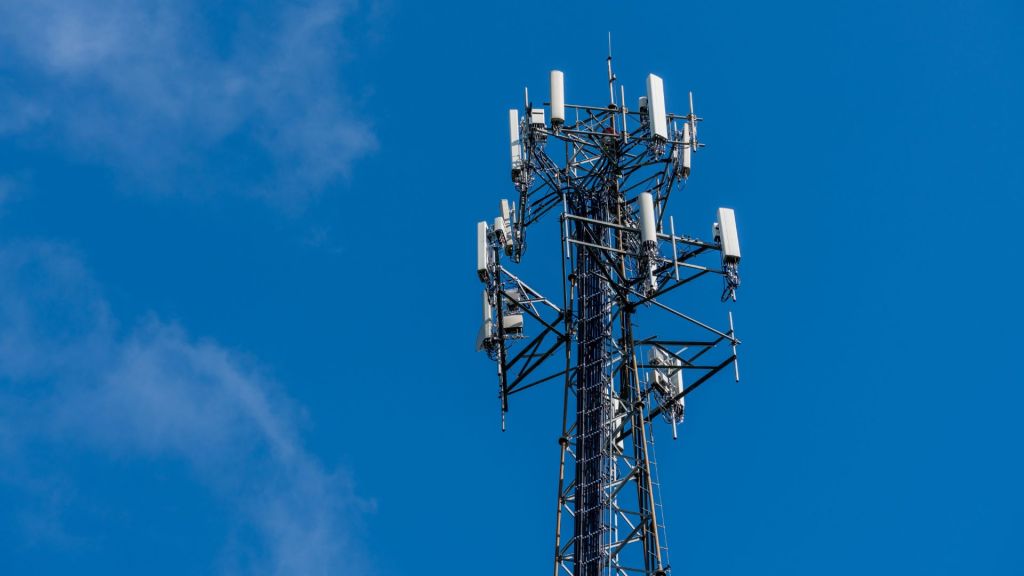
While satellites offer global coverage and connectivity, they operate within a finite and increasingly crowded frequency spectrum, imposing limitations on the available bandwidth for data transmission. This limitation has become a significant bottleneck as the demand for satellite-based services continues to grow exponentially.
Finite Frequency Spectrum and Allocation Issues
The electromagnetic spectrum used for satellite communications is a finite resource, with specific frequency bands allocated for different applications and services. As the number of satellites and their associated services increase, these frequency allocations become increasingly congested, leading to potential interference and capacity constraints that can hamper the delivery of high-speed, reliable communication.
Overcrowding and Demand for High-Speed Connectivity
The proliferation of satellite constellations and the rising demand for high-speed data transmission, driven by applications like broadband internet and video streaming, have put immense pressure on the available bandwidth. This overcrowding can result in service degradation, higher costs, or the need for more advanced and efficient spectrum utilization techniques to accommodate the ever-growing appetite for data.
Future Solutions: Quantum Communication and Ka-Band Technologies
To address the bandwidth limitations, researchers are exploring innovative solutions, such as quantum communication and the utilization of higher-frequency Ka-band transmissions. While these technologies hold promise, they also present their own set of challenges, including technological complexity, compatibility issues, and the need for international coordination and regulation to ensure efficient and interference-free spectrum utilization.
Dependency on Terrestrial Infrastructure

Ground Support Required: The Hidden Dependency of Satellites Despite their celestial nature, satellites rely heavily on a complex network of terrestrial infrastructure, including ground stations, communication links, and various support systems. This interdependence highlights the importance of robust and resilient terrestrial systems for the effective utilization of space-based assets.
Ground Stations and Network Connectivity
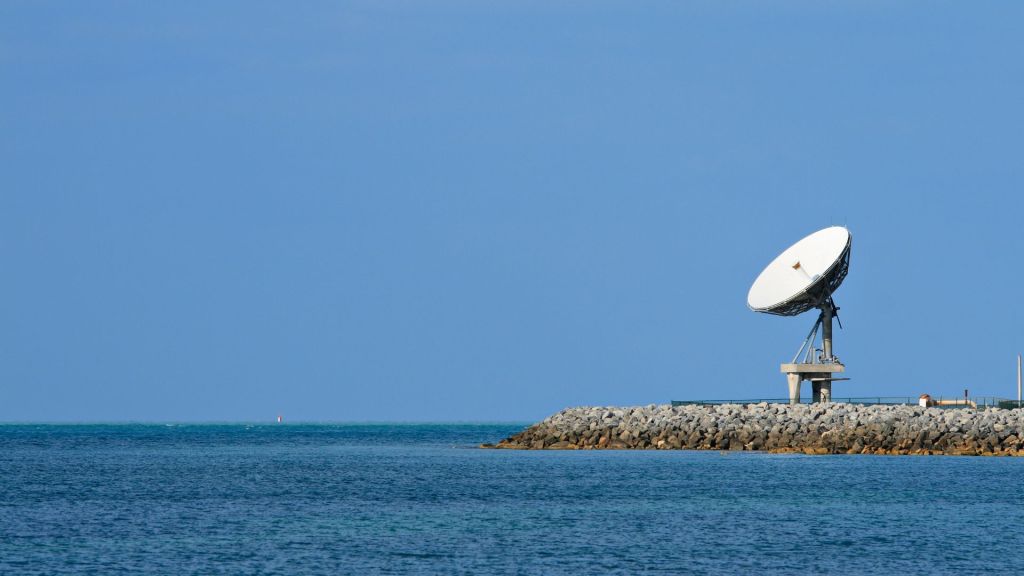
Satellite operations require a global network of ground stations to transmit and receive data, track orbits, and control spacecraft. These ground facilities must be strategically located, well-maintained, and connected to robust terrestrial communication networks to ensure seamless operations. Any disruption or failure in this intricate web of ground support can have cascading effects on the satellites themselves, underscoring the criticality of this often-overlooked terrestrial infrastructure.
Cloud Cover and Weather Effects on Ground Operations
Even with sophisticated satellites in orbit, ground operations can be impacted by local weather conditions, such as cloud cover or atmospheric disturbances, which can disrupt communication links or interfere with tracking and telemetry. These terrestrial limitations can hamper the ability to effectively control and monitor space-based assets, highlighting the need for redundancy and resilience in the ground support systems.
Terrestrial Communication Redundancies
To mitigate the risk of disruptions, satellite operators often rely on redundant terrestrial communication networks, adding to the overall complexity and cost of maintaining ground infrastructure. This redundancy highlights the complex interactions between space-based and ground-based systems by ensuring that crucial data and commands may be sent and received even in the case of localized failures or outages.
Economic Viability and Market Competition
Chasing Profits in the Sky: Evaluating the Economic Pitfalls of Satellites
While the satellite industry offers tremendous potential for growth and innovation, it also faces economic challenges and intense market competition that can impact its long-term viability. These challenges span from the high costs associated with space operations to the emergence of disruptive technologies and market uncertainties.
Competition from Fiber Optics and 5G Networks
In the realm of data transmission and communication, satellites face stiff competition from terrestrial fiber optic networks and the rapidly evolving 5G technology. These ground-based systems can offer higher bandwidth, lower latency, and potentially lower costs, making them attractive alternatives in areas with established infrastructure. This competitive landscape has forced the satellite industry to continually innovate and adapt, seeking ways to differentiate their services and maintain a competitive edge.
High Launch Costs and ROI Challenges
The astronomical costs associated with satellite launches and operations can make it challenging to achieve a favorable return on investment, particularly for commercial ventures or projects with limited funding. This economic factor can hinder innovation and limit the adoption of satellite technology in certain markets, as investors may be reluctant to commit resources to endeavors with uncertain or long-term payoffs.
Emerging Markets and Investor Concerns
While emerging markets in developing nations present significant growth opportunities for satellite services, they also carry inherent risks and uncertainties. Concerns over political instability, regulatory challenges, and market volatility can deter investors and impede the deployment of satellite infrastructure in these regions, potentially limiting the industry’s ability to tap into these untapped markets.
Intellectual Property and Licensing Issues

Regulatory Red Tape: Navigating Licensing and IP Challenges
The satellite industry is subject to a complex web of intellectual property rights and licensing regulations, which can create barriers to innovation and hinder the widespread adoption of new technologies. These challenges range from navigating international space laws and spectrum allocation to resolving licensing conflicts between governments and corporations.
International Space Laws and Spectrum Allocation
The use of satellite technology is governed by international treaties and regulations that aim to ensure the peaceful and equitable use of outer space and the electromagnetic spectrum. However, the complexity of these legal frameworks and the need for coordination among multiple nations and organizations can lead to bureaucratic hurdles and delays in the deployment of new satellite systems or the allocation of precious frequency bands.
Licensing Conflicts Between Governments and Corporations
Beyond international regulations, satellite operators must also navigate complex licensing and regulatory environments within individual nations. Conflicts can arise between government entities and commercial corporations over issues such as spectrum allocation, launch licensing, and data-sharing requirements. These disputes can delay projects, increase costs, and stifle innovation, as companies must navigate the often-murky waters of competing interests and bureaucratic red tape.
Piracy, Intellectual Property Theft, and Satellite Signals
The satellite industry is also vulnerable to intellectual property theft and unauthorized access to proprietary signals and data. As satellite technology becomes more ubiquitous, the risk of piracy and signal hijacking increases, posing potential threats to revenue streams and raising concerns about data security and privacy. Combating these threats requires constant vigilance, robust encryption technologies, and effective legal frameworks to protect intellectual property rights.
Complex Regulatory and Legal Environment
The multifaceted nature of the satellite industry, spanning diverse applications and stakeholders, creates a complex regulatory and legal environment that can be challenging to navigate. Overlapping jurisdictions, evolving national and international laws, and conflicting interests among various parties can create uncertainty and legal quagmires that can impede progress and stifle innovation within the industry.
Global Jurisdiction: The Regulatory Maze of Space Law
The unique nature of space activities, which often transcend national boundaries and involve international collaboration, has given rise to a complex web of legal frameworks and jurisdictional considerations. This regulatory maze encompasses international treaties, national space laws, and export control regulations, among other legal instruments, creating a labyrinth that satellite operators must carefully navigate.
Outer Space Treaty and Compliance Challenges
The Outer Space Treaty, a landmark agreement signed in 1967, establishes fundamental principles for the peaceful exploration and use of outer space. However, as space activities have evolved, challenges have arisen in interpreting and applying the treaty’s provisions in a consistent and enforceable manner across different nations and contexts.
National Space Laws and Export Control Regulations
In addition to international treaties, satellite operators must also comply with a patchwork of national space laws and export control regulations. These legal frameworks can vary significantly between countries, creating potential conflicts and complicating international collaborations or the transfer of sensitive technologies across borders.
Liability Issues and International Disputes
The complex nature of space activities, coupled with the potential for accidents or mishaps, has given rise to intricate liability issues. Determining responsibility and facilitating compensation for damages resulting from satellite collisions, debris impacts, or other space-related incidents can be a legal minefield, often requiring resolution through international arbitration or diplomatic channels.
Health Concerns and Radiation Risks

Invisible Perils: Radiation Exposure from Satellites
While satellites offer invaluable services and capabilities, their operation is not without potential health risks. One of the primary concerns is the exposure to ionizing radiation, both for those directly involved in satellite operations and, to a lesser extent, the general population.
Cosmic Rays and Space Radiation Hazards
Cosmic rays and other
forms of high-energy radiation permeate the space environment, posing a significant hazard to satellites and their human operators. These invisible yet potent particles can penetrate the protective shielding of spacecraft, potentially damaging sensitive electronics and exposing astronauts and ground personnel to elevated radiation levels.
Impacts on Astronauts and Ground Personnel
Prolonged exposure to cosmic radiation can have detrimental effects on human health, increasing the risk of various cancers, cardiovascular diseases, and degenerative conditions. This risk is particularly acute for astronauts involved in extended missions or spacewalks, necessitating rigorous shielding and monitoring protocols to minimize their exposure.
Potential Health Risks to the General Population
While the general population is not directly exposed to the same levels of space radiation as astronauts and satellite operators, there are concerns about the potential long-term effects of low-level radiation exposure. This concern is particularly relevant for individuals living or working in close proximity to ground stations or satellite communication facilities, where prolonged exposure may occur over time.
Technological Obsolescence and Innovation Risks

Fast Forward to Outdated: The Race Against Technological Obsolescence In the rapidly evolving landscape of satellite technology, the pace of innovation can be both a blessing and a curse. While new advancements promise enhanced capabilities and improved performance, they also bring the risk of technological obsolescence, rendering existing satellite fleets outdated and potentially obsolete before their intended lifespan is reached.
Rapid Advances in Communication Technology
The field of communication technology is in a perpetual state of flux, with new standards, protocols, and transmission methods emerging at a breakneck pace. Modern technology is always getting better, which is hard for satellite operators because they need to keep old systems compatible while also using new technologies to stay competitive and meet the growing demand for faster data rates and lower latency.
High Costs of Upgrading Existing Satellite Fleets

Upgrading or replacing an entire satellite fleet to keep pace with technological advancements is a monumental undertaking, fraught with substantial financial and logistical hurdles. The astronomical costs associated with satellite launches and the inherent risks involved in space operations can make such endeavors prohibitively expensive, particularly for smaller companies or organizations with limited resources.
Investment Risks and Uncertain Returns
Investing in the development and deployment of new satellite technologies is a high-stakes gamble, with no guarantees of success or favorable returns on investment. The rapid pace of innovation can quickly render newly launched satellites obsolete, eroding their potential for generating revenue and hampering the ability to recoup the substantial upfront costs. This uncertainty can deter investors and stifle the very innovation that drives the industry forward.
Recap of Major Satellite Disadvantages Throughout this comprehensive examination, we have explored the myriad challenges and limitations that accompany the remarkable achievements of satellite technology. From the astronomical costs of infrastructure and operations to the environmental impacts, security concerns, and regulatory complexities, the disadvantages of satellites are multifaceted and far-reaching.
Final Thoughts on Balancing Innovation with Sustainability
While the pursuit of innovation and technological advancement is laudable, it must be tempered by a commitment to sustainability and responsible stewardship of our celestial realm. As we continue to explore space, it is very important that we deal with the problems and lower the risks that come with satellite technology. This way, we can make sure that our search for knowledge and progress doesn’t hurt our planet or the health of future generations.
Future Outlook on Overcoming Current Challenges
Overcoming the challenges outlined in this article will require a concerted effort from the global community, fostering international cooperation, investing in research and development, and promoting a culture of responsible space governance. By confronting these obstacles head-on, we can unlock the true potential of satellite technology, harnessing its power for the betterment of humanity while preserving the delicate balance of our celestial environment.
In the grand tapestry of human endeavor, satellite technology represents a remarkable achievement, a testament to our ingenuity and insatiable thirst for knowledge. Yet, as we continue to reach for the stars, it is imperative that we remain grounded in our understanding of the limitations and drawbacks that accompany this pursuit. Only through a holistic appreciation of the challenges can we chart a course towards a future where the wonders of space exploration are balanced with the imperative of sustainability and the well-being of our celestial home.