The Historical Significance of Dublin Port
From Viking Settlement to Modern Hub
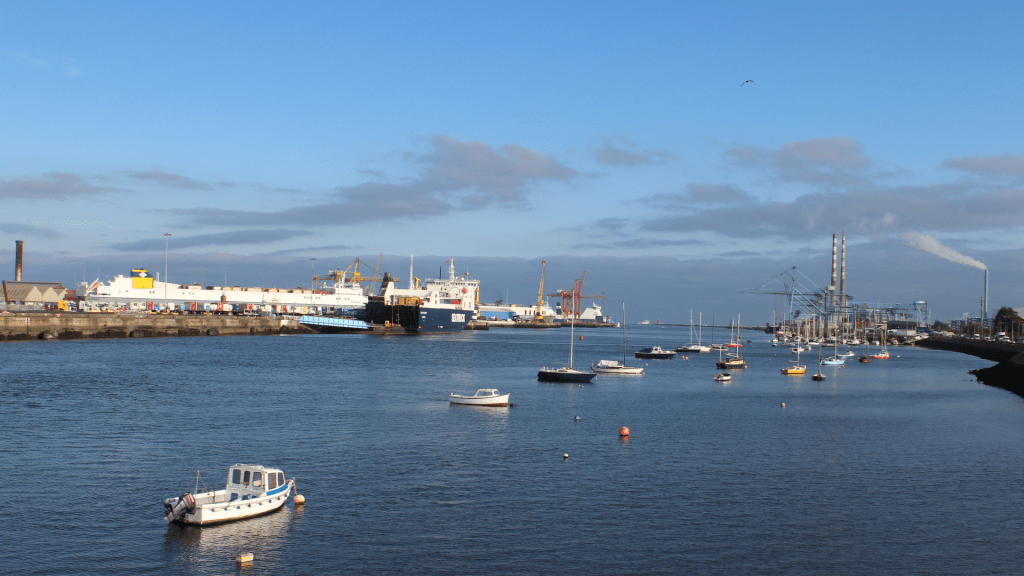
Picture this: it’s the 9th century, and Norse longships are gliding into a natural harbor on Ireland’s east coast. This moment marks the birth of what would become Dublin Port. The Vikings recognized the strategic importance of this location, and their foresight laid the foundation for a maritime legacy that has endured for over a millennium.
As centuries passed, Dublin Port evolved from a modest Viking settlement into a crucial nexus for trade and cultural exchange. The port’s story intertwines with Ireland’s history, reflecting the nation’s struggles, triumphs, and aspirations.
Key Milestones in Dublin Port’s Development
Dublin Port’s journey to becoming Ireland’s premier port is punctuated by significant milestones:
- 1707: The Ballast Office takes charge of the port’s management, initiating organized development.
- 1800s: Extensive quay expansions accommodate the rise of steamships.
- 1867: Construction of the iconic Poolbeg Lighthouse.
- 1950s-60s: Containerization revolutionizes cargo handling.
- 2000s: Major redevelopment projects enhance capacity and efficiency.
Each of these steps propelled Dublin Port forward, cementing its status as a world-class maritime facility.
Dublin Port’s Current Operations
Cargo Handling Capabilities
Today, Dublin Port boasts state-of-the-art cargo handling facilities that cater to a diverse range of goods. From bulk commodities to specialized containerized cargo, the port handles it all with remarkable efficiency.
Did you know that Dublin Port manages nearly 50% of Ireland’s trade? That’s right – almost half of the country’s imports and exports pass through this single gateway. The port’s advanced equipment and skilled workforce ensure swift turnaround times, keeping the wheels of commerce turning smoothly.
Passenger Services and Cruise Terminal
But Dublin Port isn’t just about moving goods – it’s a gateway for people too. The port welcomes millions of ferry passengers each year, serving as a vital link between Ireland and the UK. Moreover, its cruise terminal has become a magnet for luxury liners, bringing a steady stream of tourists to Dublin’s doorstep.
Economic Impact of Dublin Port
Job Creation and Local Economy Boost
Dublin Port isn’t just a place where ships dock – it’s a powerful economic engine. The port directly employs thousands of people, from dock workers to administrators. But its impact extends far beyond the waterfront. Think of it as a stone thrown into a pond, creating ripples that reach every corner of the local economy.
Restaurants, hotels, transport companies, and countless other businesses thrive on the activity generated by the port. It’s a symbiotic relationship that fuels Dublin’s prosperity.
National Trade Facilitation
On a broader scale, Dublin Port plays a crucial role in facilitating Ireland’s international trade. By providing efficient access to global markets, the port enables Irish businesses to compete on the world stage. From agricultural products to high-tech exports, Dublin Port is the conduit through which Ireland connects with the global economy.
Infrastructure and Expansion Projects

Masterplan 2040: Shaping the Future
Dublin Port isn’t resting on its laurels. The ambitious Masterplan 2040 outlines a vision for the port’s future, anticipating the needs of a growing economy and evolving trade patterns. This forward-thinking approach ensures that Dublin Port will continue to serve Ireland effectively for decades to come.
Key elements of the masterplan include:
- Expansion of deepwater berths
- Enhanced land utilization
- Improved transport links
- Integration of smart technologies
Sustainability Initiatives
In an era of increasing environmental awareness, Dublin Port is taking bold steps to reduce its ecological footprint. From investing in renewable energy to implementing stringent waste management protocols, the port is committed to sustainable operations.
One innovative project involves the creation of a ‘green corridor’ along the port’s perimeter, providing a habitat for local wildlife and a pleasant green space for the community. It’s a prime example of how industrial facilities can coexist harmoniously with nature.
Challenges Facing Dublin Port
Brexit Implications
The UK’s departure from the EU has presented significant challenges for Dublin Port. New customs requirements and potential trade disruptions have necessitated rapid adaptations. However, the port has risen to the challenge, implementing cutting-edge systems to streamline post-Brexit processes.
Environmental Concerns
Balancing economic growth with environmental protection remains an ongoing challenge. The port must navigate strict regulations while maintaining operational efficiency. Innovative solutions, such as shore-to-ship power systems that reduce vessel emissions, demonstrate Dublin Port’s commitment to addressing these concerns head-on.
Dublin Port’s Role in Irish Culture
Maritime Heritage and Community Engagement
Dublin Port is more than just an economic asset – it’s a cultural icon. The port’s maritime heritage is deeply ingrained in Dublin’s identity, from sea shanties sung in local pubs to the annual Dublin Port Riverfest.
The port authority actively engages with the community through educational programs, heritage projects, and public events. These initiatives foster a sense of pride and connection between Dubliners and their historic port.
Future Prospects for Dublin Port
Technological Advancements
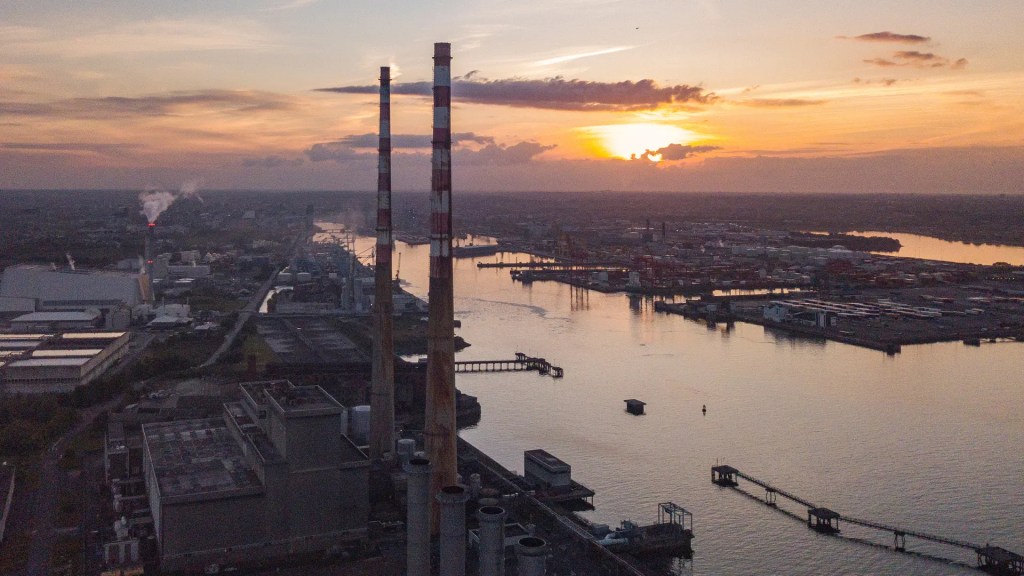
The future of Dublin Port is inextricably linked with technological innovation. From AI-powered logistics systems to autonomous vehicles, cutting-edge technologies are set to revolutionize port operations. Dublin Port is positioning itself at the forefront of this maritime tech revolution, ensuring it remains competitive in the digital age.
Adapting to Changing Global Trade Patterns
As global trade dynamics shift, Dublin Port must stay agile. The rise of e-commerce, changes in energy markets, and evolving supply chain strategies all present both challenges and opportunities. By maintaining a finger on the pulse of global trends, Dublin Port is ready to adapt and thrive in an ever-changing world.
Dublin Port stands as a shining example of how a maritime facility can be a catalyst for national prosperity, a guardian of cultural heritage, and a pioneer of sustainable practices. As it continues to evolve and adapt, Dublin Port remains true to its core mission: serving as Ireland’s vital link to the world beyond its shores. The story of Dublin Port is far from over – indeed, its most exciting chapters may yet lie ahead.