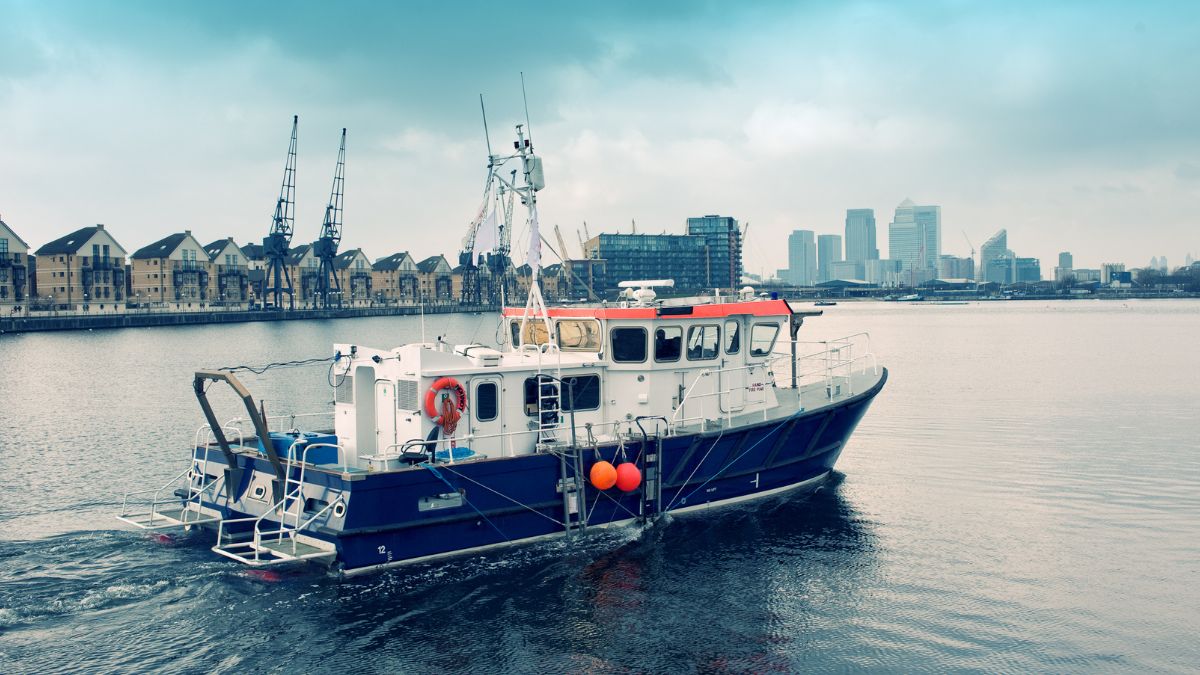
An Echo sounder is an instrument that sends out sound waves and measures the time it takes for the waves to bounce back from the sea floor. This information is then used to measure the depth of the water beneath a ship. Echo sounders are essential for navigation, fishing, and scientific research. This blog post will give the readers a comprehensive overview to help you choose the right Echo sounder for your ship.

Purpose
The first step in choosing an Echo sounder is to determine its intended purpose. If you plan to use it for navigation purposes, you will need a high-precision Echo sounder that provides accurate depth readings. If you plan to use it for fishing, you will need an Echo sounder that can provide detailed information on the location and size of underwater schools of fish.
Frequency
The frequency of the Echo sounder is another important factor to consider. Low-frequency Echo sounders are better suited for deeper waters, while high-frequency Echo sounders are better for shallow waters. The frequency you choose will depend on the depth of the waters you plan to navigate.
Power
The power of the Echo sounder is also an essential factor to consider. A higher-powered Echo sounder will provide better resolution and greater range. However, it will also consume more power, so you will need to consider the power supply on your ship.
Display
The display of the Echo sounder is another essential factor to consider. A high-resolution display will provide clear and detailed information, but it will also consume more power. You will need to choose a display that offers the level of detail you require while also being easy to read in all lighting conditions.
Cost
The cost of the Echo sounder is also a factor to consider. High-end Echo sounders can be expensive, but they will provide greater accuracy and range. However, if you do not require the highest level of precision, you may be able to save money by choosing a lower-end model.
Top Echo sounder Brands for Ships
Simrad
Simrad is a leading brand in the Echo sounder market, offering a range of high-quality Echo sounders for ships. They offer models with a range of frequencies, display sizes, and power outputs, making it easy to find the right Echo sounder for your needs.
Furuno
Furuno is another leading brand in the Echo sounder market, offering a range of high-quality Echo sounders for ships. They offer models with a range of frequencies, display sizes, and power outputs, making it easy to find the right Echo sounder for your needs.
Raymarine
Raymarine is a trusted brand in the Echo sounder market, offering a range of high-quality Echo sounders for ships. They offer models with a range of frequencies, display sizes, and power outputs, making it easy to find the right Echo sounder for your needs.
Benefits of Echo Sounders
Echo sounders are essential tools for ships that operate in deep waters. Some of the benefits of using echo sounders include the following:
Accurate Depth Measurement
Echo sounders provide accurate and precise depth measurements of the water underneath the ship. This information is critical for safe navigation and avoiding accidents like running around.
Real-Time Data
Echo sounders provide real-time data on the water’s depth, allowing ship operators to make quick decisions and adjust course as needed.
Improved Efficiency
With accurate depth information, ships can optimize their routes and speeds to reduce fuel consumption and improve efficiency.
Safe Navigation
By providing detailed information about the water depth and contours, echo sounders help ships navigate through channels and avoid hazards such as submerged rocks and shoals.
Compliance with Regulations
Echo sounders are required by law on most ships to ensure compliance with safety regulations.
Installing an Echo Sounder on Your Ship
The crew must carefully develop and implement the echo sounder to produce the best results. Here are some steps to follow when installing an echo sounder on your boat:
Determine the Mounting Location
The echo sounder should be mounted in a location that provides a clear view of the water and minimizes interference from other equipment.
Install the Transducer
The transducer is part of the echo sounder that sends and receives signals. It should be installed on the bottom of the ship and connected to the echo sounder unit.
Connect the Power and Data Cables
The echo sounder unit should be connected to the ship’s power supply and data network.
Test the System
Once the echo sounder is installed, it should be tested to ensure proper operation and accurate depth measurements.
Ship Echo Sounder Selection Considerations
Choosing the right echo sounder for your ship is essential to ensure optimal performance and reliability. Consider the following factors when selecting an echo sounder:
Frequency
Echo sounders operate at different frequencies, affecting the depth measurements’ range and accuracy. Choose a frequency suitable for the water depth you will be working in.
Power Output
The power output of the echo sounder affects the range and accuracy of the depth measurements. Choose a power output suitable for your ship’s size and the water’s depth.
Display
The echo sounder should have a clear and easy-to-read display that provides accurate depth information.
Transducer Type
The transducer type affects the depth measurements’ accuracy and reliability. Choose a transducer suitable for the water you will be operating in.
Additional Features
Some echo sounders have other features, such as fish-finding capabilities, GPS integration, and chart plotting. Consider these features when choosing an echo sounder for your ship.
An Echo sounder is essential for navigation, fishing, and scientific research. This article provides a comprehensive guide to help you choose the right Echo sounder for your ship. We have highlighted the factors to consider when choosing an Echo sounder, including its intended purpose.
Related FAQs
What is the purpose of an Echo sounder on a fishing vessel?
An Echo sounder is used to identify underwater objects such as schools of fish, rocks, and the ocean floor. It helps fishing vessels find the best fishing grounds and avoid potential hazards while out at sea.
How does an Echo sounder determine the depth of the water and locate fish?
An Echo sounder uses sound waves to determine the depth of the water and locate underwater objects such as schools of fish. It emits a pulse of sound waves into the water and measures the time it takes for the waves to bounce back to the device. This time is used to calculate the distance to the bottom or other objects in the water.
Are there different types of Echo sounders used in fishing vessels?
Yes, there are different types of Echo sounders used in fishing vessels, including single-beam, dual-beam, and side-scan Echo sounders. The type of Echo sounder used depends on the specific needs and requirements of the fishing vessel.
How does an Echo sounder help with fish finding and catching?
An Echo sounder can help fishing vessels locate schools of fish and determine the depth of the water. This information can be used to make more informed decisions about where to cast the fishing lines and increase the chances of a successful catch.
Is there any maintenance required for an Echo sounder on a fishing vessel?
Yes, an Echo sounder requires regular maintenance to ensure it is functioning correctly. This may include cleaning the transducer, checking the wiring and connections, and updating the software. It is essential to follow the manufacturer’s guidelines for maintenance to ensure the Echo sounder is functioning optimally.
What is the difference between a low-frequency Echo sounder and a high-frequency Echo sounder?
Low-frequency Echo sounders are better suited for deeper waters, while high-frequency Echo sounders are better for shallow waters. The frequency you choose will depend on the depth of the waters you plan to navigate.
What kind of display should I look for in an Echo sounder?
You should look for a high-resolution display that provides clear and detailed information but is also energy efficient and easy to read in all lighting conditions.
How do I know which Echo sounder frequency is best for my ship?
The frequency you choose will depend on the depth of the waters you plan to navigate. You should choose a frequency that is suitable for the depth of the waters you will be navigating.
What is the range of an Echo sounder, and does it affect the cost?
The range of an Echo sounder will depend on its power output. Higher-powered Echo sounders will have a greater range but will also be more expensive.
Can I use an Echo sounder for both navigation and fishing purposes?
Yes, you can use an Echo sounder for both navigation and fishing purposes. However, you should choose an Echo sounder that provides the level of detail required for each intended purpose.