
The Port’s Significance in the Trade Industry

The Port of Long Beach is widely recognized as the “Best West Coast Seaport” by industry peers. It plays a significant role in the U.S. economy, handling trade worth approximately $200 billion annually. This trade activity supports over 2.6 million jobs nationwide, with more than 575,000 of these jobs found in Southern California and over 50,000 in Long Beach. In fact, one out of every five jobs in Long Beach is supported by the Port.
Due to its ability to accommodate some of the largest vessels of today, the Port of Long Beach has become one of the few U.S. ports that can make this claim. It serves 175 shipping lines and offers connections to 217 seaports worldwide. The goods transported through the Port originate from or are destined for every congressional district in the United States. In 2022, the Port processed over 9.1 million container units, marking its second busiest year in history.
Leadership and Future Goals
The Port of Long Beach is guided by a five-member Board of Harbor Commissioners and its Executive Director, Mario Cordero. Under their leadership, the Port is making strides towards a greener future, with the goal of becoming the world’s most modern, efficient, and sustainable seaport. An industry-leading capital improvement program worth $2.2 billion is currently underway, with the aim of constructing state-of-the-art marine facilities. These initiatives are expected to enhance the reliable, safe, and sustainable movement of goods while creating thousands of new jobs.
The Port takes pride in its commitment to excellent customer service and its strong relationships with industry stakeholders, community members, environmental advocates, and partner agencies.
World’s Greenest Container Terminal
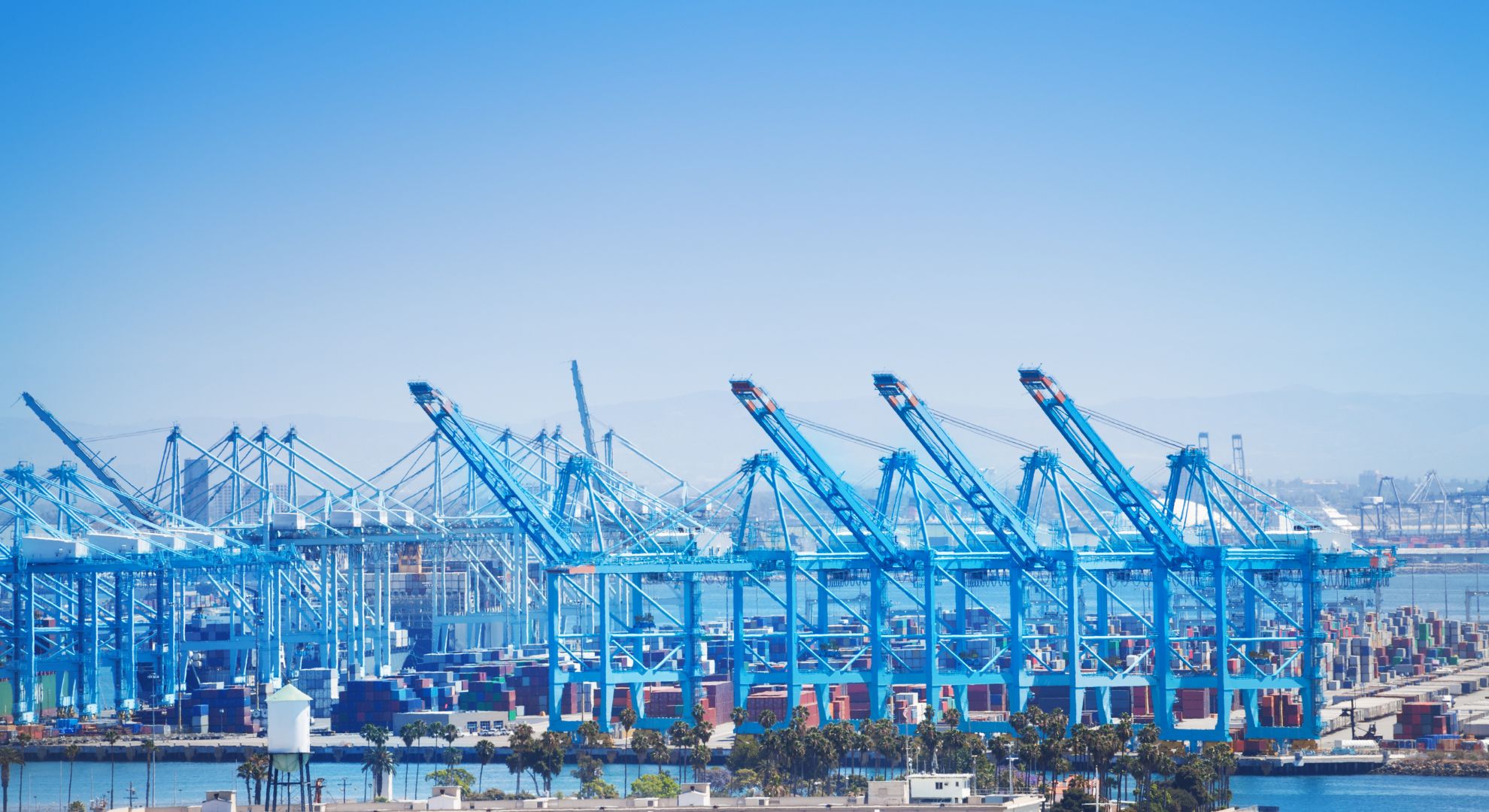
In 2021, after a decade-long construction period, the Middle Harbor Terminal Redevelopment Project was completed, resulting in the creation of the Long Beach Container Terminal. This terminal is now recognized as one of the most advanced and environmentally friendly terminals globally.
The Port’s Future Plans

The Port’s long-term plans and policies are guided by the Port Master Plan Update. This document provides a roadmap for future policy and development decisions at the Port.
Key Operational Information
The Port of Long Beach provides a range of operational information to ensure efficient functioning and to cater to the needs of different stakeholders.
Operations Dashboard
The operations dashboard provides up-to-date information on various operational aspects of the Port, including the status of vessels at anchor and berth, gate hours, and the Weekly Advance Volume Estimate (WAVE) Report.
Overweight/Oversize
Detailed information on overweight, oversize, and over-height vehicles, including access routes, maps, and permits, is available.
Permits
The Port of Long Beach provides a variety of permits and forms for filming, manned and unmanned aircraft, harbor development, small business enterprises, and other activities in the Port.
Interactive Map
The Port’s interactive map provides detailed information about terminals and other facilities, data on capital improvement projects, and other highlights.
Piers, Facilities, and Cargo Types
The Port of Long Beach is equipped with multiple piers and facilities that handle a variety of cargo types. These types include Containerized, Dry Bulk, Liquid Bulk, and Break Bulk & RoRo. The Port also provides temporary berth assignments and highlights key projects.
Commitment to Environmental Stewardship

The Port of Long Beach is committed to promoting environmental stewardship. It is working towards creating a sustainable port culture, adopting the best available technology to reduce environmental impacts, and engaging and educating the community about its initiatives. When it comes to environmental compliance and stewardship, it is considered a frontrunner. The Port’s Green Port Policy and Clean Air Action Plan are testaments to its commitment to reducing pollution levels while continuing port growth.
The Port of Long Beach is more than just a port—it is an economic powerhouse, a job creator, and a leader in environmental sustainability. Its ongoing capital improvement program is a testament to its commitment to innovation and efficiency, setting the stage for a greener, more sustainable future. As the Port continues to grow and evolve, it remains dedicated to maintaining strong relationships with its stakeholders and providing excellent customer service. Whether you are a shipping line, a job seeker, or a member of the community, the Port of Long Beach is a dependable partner committed to your success.