Imagine a world where traffic jams are a thing of the past, and your daily commute involves a personal flying vehicle that takes off and lands vertically, just like a helicopter. This picture of the future is from science fiction, but it’s more like the real world than you might think. This blog takes you on a thrilling journey into the world of VTOL aircraft, exploring their aircraft types, functionalities, and potential impact on the future of transportation.
VTOL Landscape: A Multifaceted Approach to Vertical Flight
VTOL aircraft encompass a diverse range of flying machines that share one key characteristic – the ability to take off and land vertically, eliminating the need for conventional runways. This unique capability opens doors for exciting possibilities in various sectors, from urban transportation to military operations. Here’s a breakdown of the different types of VTOL aircraft:
- Helicopters: The most widely recognized VTOL aircraft utilize rotating blades to generate lift and manoeuvre in all directions. While helicopters offer unparalleled versatility, their operational efficiency and speed are often limited.
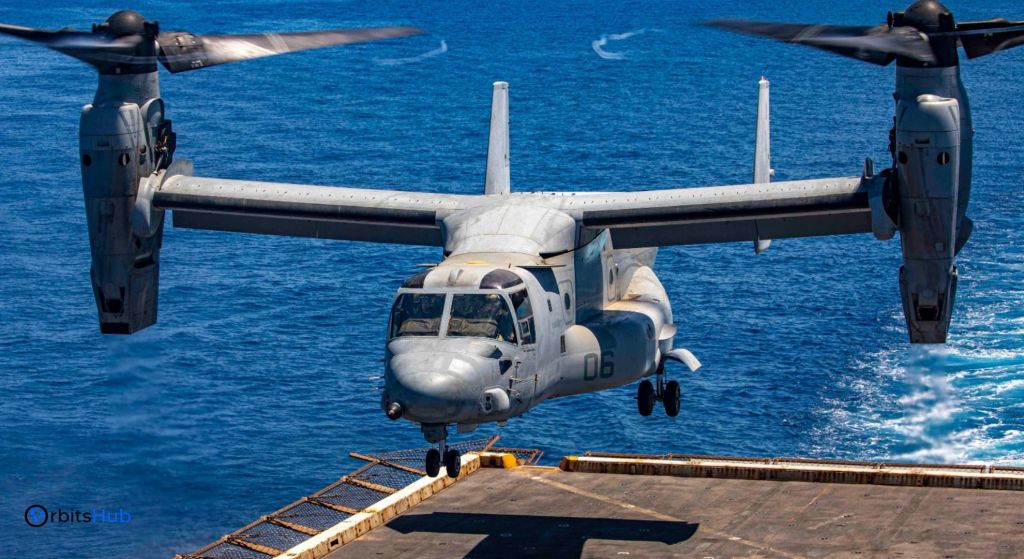
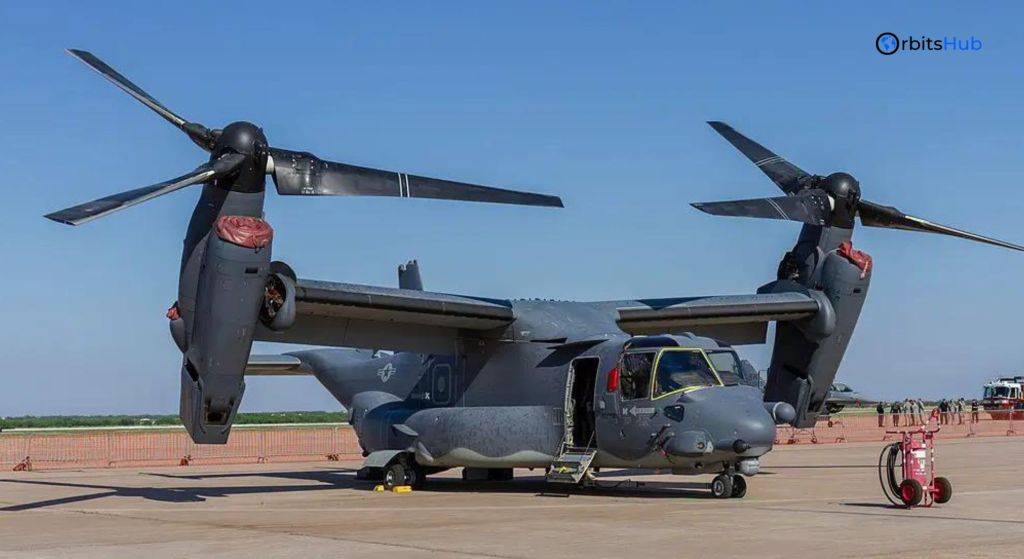
- Tiltrotors: Tiltrotor aircraft combine a helicopter’s vertical takeoff and landing capabilities with the forward flight efficiency of a fixed-wing aircraft. For takeoff and landing, the rotors tilt vertically, but for forward flight, they tilt horizontally. This gives the plane a great mix of functions.
- Tiltwings: Similar to tilt rotors, tiltwing aircraft feature wings that can tilt vertically to horizontally. However, instead of rotors, they utilize vertical and forward flight propellers.
- Powered-Lift Fixed-Wing Aircraft: This category encompasses designs that utilize fixed wings combined with additional thrust mechanisms, such as ducted fans or jet engines with vectoring nozzles, to achieve vertical takeoff and landing.
- Electric Vertical Takeoff and Landing (VTOL) Aircraft: A rapidly developing segment within the VTOL landscape, eVTOL aircraft utilize electric motors and battery power for vertical flight. These eco-friendly designs hold immense potential for urban air mobility solutions in the future.
Exploring the Advantages and Applications of VTOL Aircraft
The ability to take off and land vertically offers VTOL aircraft several advantages over conventional aeroplanes:
- Operational Flexibility: VTOL aircraft do not require runways, allowing them to operate from rooftops, helipads, or open fields. This flexibility opens doors for various applications in urban environments.
- Reduced Noise Pollution: Many VTOL designs, particularly those utilizing electric power, have the potential to be significantly quieter compared to traditional aeroplanes, making them more suitable for urban operations.
- Point-to-Point Travel: VTOL aircraft could revolutionize personal transportation by enabling point-to-point travel within cities, bypassing traffic congestion and offering a faster and more efficient commute.
- Search and Rescue: VTOL aircraft’s ability to take off and land vertically makes them ideal for search and rescue operations in remote or challenging locations.
- Military Applications: VTOL aircraft offer militaries a tactical advantage by allowing them to deploy troops and equipment from a broader range of locations.
Challenges and Opportunities for VTOL Aircraft
While VTOL technology holds immense promise, challenges remain to overcome before widespread adoption becomes a reality. Here’s a glimpse into some key considerations:
- Range and Payload Capacity: Current VTOL designs, particularly those utilizing electric power, often have range and payload capacity limitations compared to conventional aeroplanes.
- Safety Regulations: As a new technology, VTOL aircraft require robust safety regulations and certification processes to ensure safe operation in populated areas.
- Urban Air Traffic Management: Integrating VTOL aircraft into existing air traffic management systems will be crucial for safe and efficient operation in urban environments.
- Infrastructure Development: Developing a network of vertiports (landing and takeoff pads for VTOL aircraft) will be necessary to support widespread adoption in urban areas.
Despite these challenges, the potential benefits of VTOL technology are undeniable. With ongoing advancements in battery technology, electric propulsion systems, and autonomous flight control, the future of VTOL aircraft appears bright.
Taking Flight with Innovation – The VTOL Revolution on the Horizon
VTOL aircraft represent a paradigm shift in how we think about air travel. Their ability to defy gravity opens doors for exciting possibilities in urban transportation, search and rescue operations, and even personal flying vehicles. While challenges remain, the rapid technological advancements and potential benefits are undeniable. The future of flight is undoubtedly vertical, and VTOL aircraft are poised to revolutionize the skies.
Ready to explore the exciting world of VTOL technology and delve deeper into the complexities of urban air mobility and air traffic management for VTOL aircraft? OrbitsHub, a leading maritime and aviation consultancy, can be your trusted partner. Our team of experts knows a lot about VTOL and can give you great advice about many different parts of this cutting-edge technology. Whether you’re a company exploring the potential of VTOL integration into your operations, an investor interested in the future of urban air mobility, or simply someone fascinated by the possibilities of vertical flight, OrbitsHub can empower you with the knowledge and expertise you need.