Australia is setting the stage for an extensive naval expansion, planning to invest billions of dollars in shipbuilding. This move will result in the nation boasting its largest fleet since World War II, marking a significant milestone in its military history.
The Blueprint for Naval Expansion

Australia recently unveiled a comprehensive blueprint outlining its plan to boost its surface fleet capability. This grand scheme involves a substantial increase in significant surface vessels, including destroyers and frigates, and a corresponding rise in minor war vessels.
The Largest Fleet Since World War II
With this strategic move, Australia will witness its surface fleet grow to its largest size since the end of World War II. This growth is expect to surpass the current fleet size, significantly strengthening Australia’s naval capabilities.
The Strategic Context
This naval expansion comes amid rising geopolitical tensions, particularly in the Indo-Pacific region. As a strategic ally of the United States, Australia is keen on revamping its military to cope with the evolving geopolitical landscape. This move is a clear testament to Australia’s commitment to ensuring national security and asserting regional influence.
The Role of Shipbuilding in the Overhaul
Shipbuilding plays a critical role in this ambitious overhaul. Australia is set to invest billions of dollars in the shipbuilding industry to support the expansion of its naval fleet. The country is poise to become a hub for shipbuilding, contributing to its economy while enhancing its defense capabilities.
The New Additions to the Fleet
Australia plans to add six new large optionally crewed surface vessels (LOSVs) to its fleet as part of the overhaul. These LOSVs, which can be operate remotely, will be heavily arm with missiles, significantly enhancing the firepower of Australia’s navy.
The fleet will include three upgraded Hobart-class destroyers, 11 new general-purpose frigates, and 25 minor war vessels, including six Offshore Patrol Vessels (OPVs).
The Strategic Role of LOSVs
Including LOSVs in the naval fleet underscores Australia’s vision for a modern, technologically advanced navy. These vessels can operate remotely, thus reducing the risk to human life in conflict situations. Heavily armed with missiles, they will play a crucial role in Australia’s defense strategy.
The Financial Commitment
This naval overhaul comes with an enormous financial commitment. The Australian government has pledged an additional $1.7 billion over the forward estimates and $11.1 billion over the next decade to support the “accelerated delivery” of the navy’s future surface combatant fleet.
Impact on Australia’s GDP
Australia’s commitment to this massive naval overhaul will increase its defense spending to 2.4% of its Gross Domestic Product (GDP). This is above the target set by its NATO allies, signaling Australia’s unwavering commitment to bolstering its defense capabilities.
The Future of Australia’s Navy
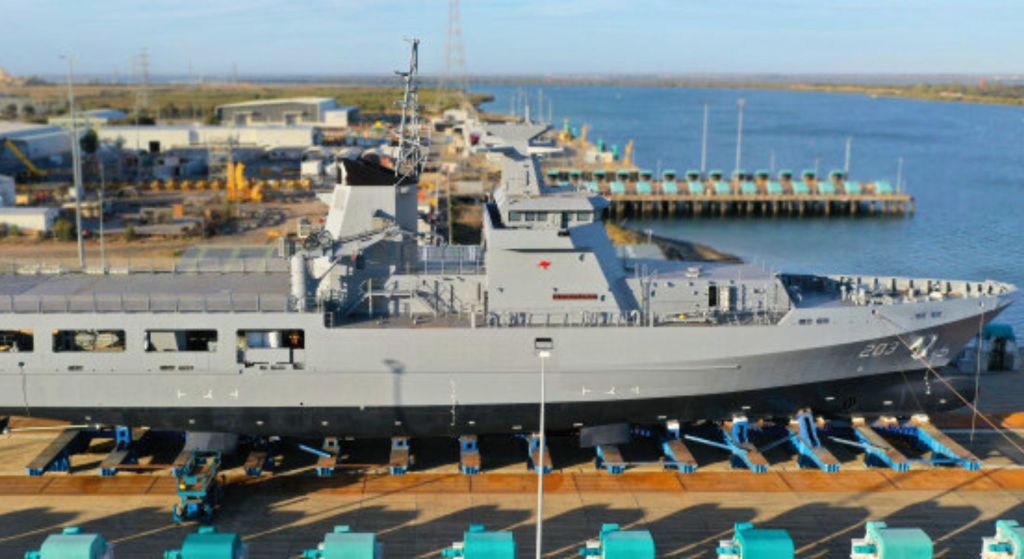
With this comprehensive, strategic, and financially backed overhaul, Australia’s navy is all set for a future-ready transformation. The country’s commitment to investing heavily in shipbuilding will result in a more robust naval fleet and contribute to economic growth and job creation in the shipbuilding industry.
A Commitment to National Security
Australia’s decision to overhaul its navy underscores its commitment to national security. By investing billions in shipbuilding and expanding its naval fleet, Australia is proactively ensuring its defense capabilities are robust and future-ready.
Australia’s ambitious naval overhaul is a testament to its commitment to national security and regional influence. The billions invested in shipbuilding will boost its naval capabilities and contribute to its economy, making this a strategic move on multiple fronts. The world watches as Australia prepares to sail into a future with its most significant and most advanced fleet since World War II.
FAQ’s
1. What is Australia’s massive naval overhaul?
Australia’s massive naval overhaul refers to the significant investment and effort by the Australian government in revitalizing its naval fleet through extensive shipbuilding projects aimed at enhancing maritime security and defense capabilities.
2. Why is Australia investing billions in shipbuilding?
Australia is investing billions in shipbuilding to modernize its naval fleet, bolster national defense, safeguard maritime borders, and support economic growth by creating jobs and stimulating the shipbuilding industry.