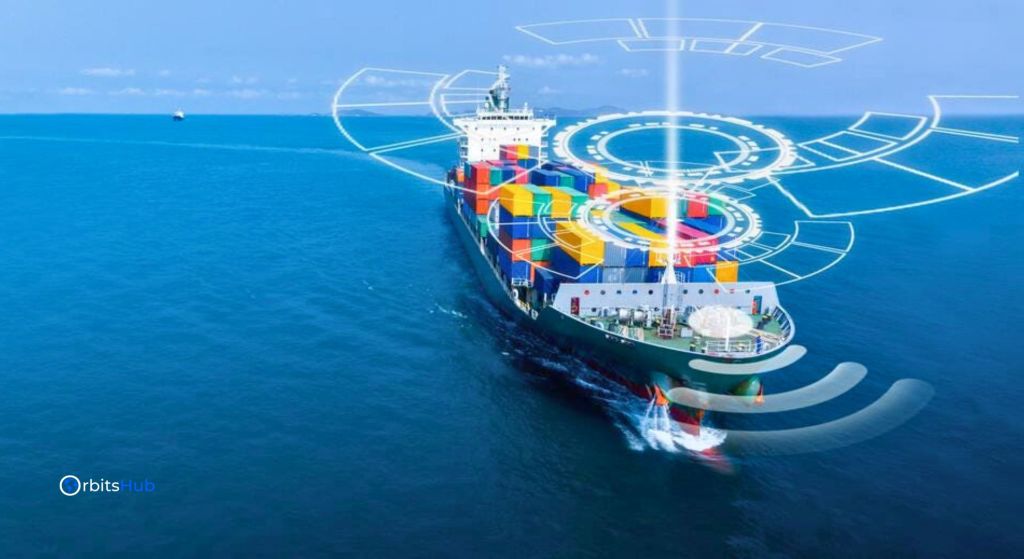
The vast expanse of oceans has long presented a challenge for communication between ships and land and between ships. From the days of signal flags to the modern era of satellite technology, maritime communication strategies have constantly evolved to meet the growing needs of a globalized shipping industry. This blog post dives into the latest trends shaping how information flows across the waves, keeping maritime operations safe, efficient, and connected.
Embracing the Digital Age: The Rise of Maritime IoT
The maritime sector is not immune to the global upheaval caused by the Internet of Things (IoT). Ships’ networked gadgets capture and transmit real-time data on their operations as part of maritime IoT. Engine performance, fuel consumption, weather conditions, cargo status the possibilities for data collection are vast.
This real-time data offers significant advantages:
- Improved Operational Efficiency: By analyzing engine data, companies can identify areas for fuel optimization, leading to cost savings and a reduced environmental footprint.
- Enhanced Predictive Maintenance: Sensor data can predict potential equipment failures, allowing preventive maintenance and avoiding costly downtime at sea.
- Real-time Cargo Tracking: Real-time location and condition data of cargo ensures transparency throughout the supply chain, improving logistics and risk management.

High Seas, High Speeds: The Integration of 5G Technology
Maritime communication stands to benefit greatly from 5G, the upcoming generation of cellular network technology. With its ultra-fast data speeds and low latency, 5G will enable:
- Remote Vessel Monitoring and Control: Shore-based teams can remotely monitor certain aspects of a ship’s operation in real-time, enhancing safety and efficiency.
- Improved Crew Welfare: Faster internet speeds on board will improve the morale and health of the crew, allowing them to remain connected with loved ones back on land.
- Advanced Navigation and Safety Systems: 5G will facilitate real-time traffic data and collision avoidance systems, enhancing maritime safety.
Cybersecurity Concerns in a Connected Maritime Landscape
The increasing reliance on digital technologies introduces new cybersecurity challenges. Hackers could target ship systems to disrupt operations, steal sensitive data, or even gain control of vessels. Maritime companies need robust cybersecurity measures to:
- Secure Onboard Networks: Implementing firewalls, intrusion detection systems, and regular software updates is crucial to protect shipboard networks.
- Crew Training: Educating crew members on cyber threats and best practices for secure communication is essential.
- Regulatory Framework: Collaboration between governments and industry is needed to develop a comprehensive regulatory framework for maritime cybersecurity.
Satellite Communication: The Backbone of Global Maritime Connectivity
Despite the exciting advancements in IoT and 5G, satellite communication remains the backbone of global maritime connectivity. Here’s why:
- Global Coverage: Unlike terrestrial networks that have limited reach, satellites provide reliable communication coverage across vast stretches of ocean, ensuring ships stay connected anywhere in the world.
- Critical for Safety and Security: Rescue efforts, distress calls, and warnings of piracy all rely heavily on maritime communication. Satellites ensure these critical messages get delivered even in remote locations.
- Evolving Technologies: Satellite communication is continuously evolving with advancements like Very Low Earth Orbit (VLEO) constellations offering high-throughput and low-latency data connections.
Satellite communication systems like VSAT, Inmarsat, and others might be discussed in this area and their maritime applications
Blockchain for Secure and Transparent Maritime Transactions
Blockchain technology, known for its secure and decentralized nature, holds immense potential for the maritime industry. Here’s how:
- Enhanced Trade Finance: Blockchain can streamline trade finance processes by facilitating secure and transparent document exchange between shippers, banks, and other stakeholders.
- Improved Supply Chain Visibility: Tracking cargo movement in real-time becomes possible with blockchain, providing greater transparency and reducing the risk of fraud.
- Smart Contracts for Automation: Self-executing smart contracts on a blockchain platform can automate key aspects of maritime transactions, like payments upon cargo delivery.
This section can explain how blockchain adoption can improve maritime cargo paperwork, insurance claims, and regulatory compliance.
A Connected Future for Maritime Communication
The maritime industry is at the forefront of adopting new communication technologies. From data-driven insights of marine IoT to lightning-fast speeds of 5G, maritime communication will be seamless and real-time. But in this digital age, resolving cybersecurity issues is critical for ships to operate safely and efficiently.
Are you considering implementing these evolving trends in your maritime operations? OrbitsHub maritime and aviation consultants can help you navigate modern communication strategies. Contact our experts to learn how orbitsHub.com can help you reach a more efficient and integrated maritime future.