


Karanja Port emerges as a shining beacon of progress and potential in the bustling landscape of India’s maritime infrastructure. Nestled in the Raigad district of Maharashtra, this port is rapidly transforming into a crucial node in the country’s coastal trade network. As we delve into the story of Karanja Port, we’ll uncover its significance, recent developments, and the impact it’s poised to make on India’s maritime economy.
The Rise of Karanja Port
Karanja Port’s journey from a modest fishing harbor to being a key player in India’s coastal trade is remarkable. The port has witnessed a flurry of activity and investment in recent years, indicating its growing importance in the region’s maritime landscape.
A Strategic Location
Situated along the western coast of India, Karanja Port enjoys a strategic advantage. Its proximity to major industrial hubs and quick access to shipping lanes make it an attractive option for businesses looking to streamline their supply chains. Moreover, the port’s location allows it to serve as a vital link between Mumbai’s bustling metropolis and Maharashtra’s emerging industrial corridors.
Expanding Capabilities
The port authorities have worked tirelessly to enhance Karanja’s infrastructure and capabilities. Recent developments include:
- Expansion of berthing facilities
- Installation of modern cargo handling equipment
- Improved storage and warehousing facilities
- Enhanced road and rail connectivity
These upgrades have significantly boosted the port’s capacity to handle diverse cargo types, from bulk goods to containerized freight.
The Economic Impact
Karanja Port’s growth is not just a story of infrastructure development; it’s a tale of economic transformation. The port has become a catalyst for job creation and regional development, attracting investments and spurring the growth of ancillary industries.
Employment Generation
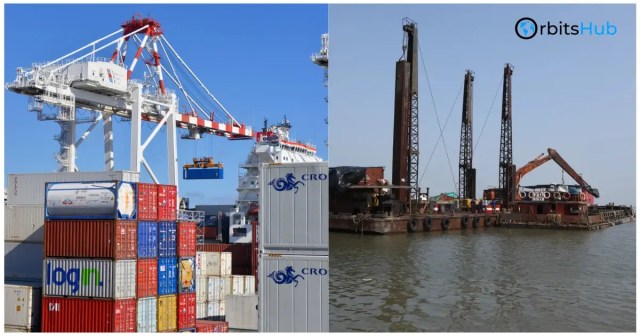
The expansion of Karanja Port has led to a surge in employment opportunities. The port has become a significant regional employer, from skilled dock workers to logistics professionals. Furthermore, the ripple effect of port activities has stimulated job growth in related sectors such as transportation, warehousing, and hospitality.
Boost local industries
The development of the port has revitalized local industries. Manufacturers and exporters in the region now have easier access to global markets, reducing transportation costs and improving competitiveness. This has led to increased production and exports, further fueling economic growth in the area.
Karanja Port in Numbers
To truly appreciate the impact of Karanja Port, let’s look at some key statistics and trends:
Cargo Handling Capacity
The chart above illustrates the remarkable growth in Karanja Port’s cargo handling capacity over the past five years. From a modest 2 million tonnes in 2019, the port has quadrupled its capacity to 8 million by 2023, showcasing its rapid development and increasing significance in India’s maritime trade.
Vessel Traffic
Another critical indicator of Karanja Port’s growing importance is the increase in vessel traffic :
The line graph depicts a steady increase in the number of vessels calling at Karanja Port annually. From 250 boats in 2019, the port welcomed 650 vessels in 2023, representing a 160% increase over five years. This growth in vessel traffic underscores the port’s rising prominence in maritime trade routes.
Karanja Port’s Role in Coastal Shipping
As India pushes for greater integration of its coastal regions, Karanja Port is pivotal in the nation’s coastal shipping initiatives. The government’s Sagarmala program, aimed at promoting port-led development, has identified Karanja as a critical node in the coastal shipping network.
Advantages of Coastal Shipping
Coastal shipping offers several advantages over traditional land-based transportation:
- Lower transportation costs
- Reduced carbon footprint
- Decongestion of road and rail networks
- Faster movement of goods between coastal states
With its strategic location and modern facilities, Karanja Port is well-positioned to capitalize on these advantages and contribute to the growth of coastal shipping in India.
Connecting the Dots
Karanja Port is not just a standalone entity; it’s part of a more extensive network of ports along India’s coastline. By facilitating the efficient movement of goods between these ports, Karanja is helping to create a seamless coastal trade ecosystem. This network effect amplifies the impact of individual port developments, creating a whole greater than the sum of its parts.
Challenges and Opportunities
While the story of Karanja Port is essentially one of growth and success, it’s challenging. Like any rapidly developing infrastructure project, the port faces several hurdles:
Environmental Concerns
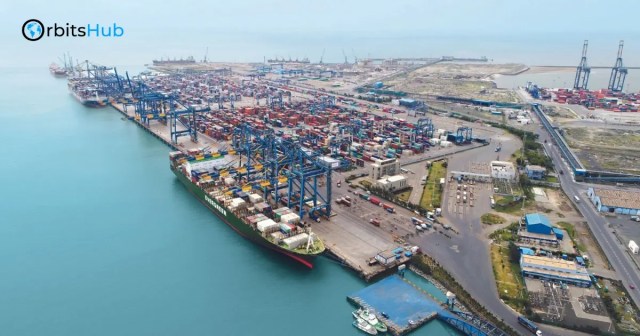
The expansion of port facilities often raises environmental concerns. Karanja Port authorities are working to balance development with environmental protection, implementing measures to minimize the impact on local ecosystems and marine life.
Infrastructure Bottlenecks
As the port’s capacity grows, there’s an increasing need for supporting infrastructure. Improving road and rail connectivity to the hinterland remains a priority to ensure smooth cargo movement.
Competition from Neighboring Ports
Karanja Port operates in a competitive environment, with several other ports vying for a share of the maritime trade. Staying ahead in this race requires continuous innovation and improvement.
However, these challenges also present opportunities. By addressing environmental concerns, Karanja Port can position itself as a leader in sustainable port development. Investments in connectivity infrastructure will benefit the port and spur regional development. And competition will drive efficiency and innovation, benefiting the maritime sector.
The Road Ahead
Karanja Port’s trajectory seems set for continued growth as we look to the future. Plans are already underway for further expansion of port facilities, including:
- Development of a new container terminal
- Expansion of bulk cargo handling facilities
- Implementation of intelligent port technologies
- Enhancement of port-based industrial zones
These developments further cement Karanja Port’s position as a vital link in India’s coastal trade network.
Frequently Asked Questions
A: Although there were initial concerns, Karanja Port has worked with the fishing community, creating a modern fishing harbor within the port. This has improved facilities and boosted local fishermen’s income.
A: Technology is central to Karanja Port. With digital management systems, automated cranes, and blockchain for secure documentation, the port has enhanced efficiency and serves as a model for regional innovation.
